


The sound of a home settling is normal. The sight of a hairline crack above a doorway is often dismissed. But when that crack widens, when a door refuses to close, or when a floor begins to slope, a homeowner’s peace of mind shatters. That moment of discovery, that gut-wrenching panic, is where your marketing begins. This is not a want; it is a critical, high-stakes need, and the foundation repair contractor who understands this emotional journey is the one who wins the job.
This guide is your complete blueprint for foundation repair marketing. We’re not talking about theory; we’re talking about the exact, actionable systems that turn homeowner anxiety into a steady stream of qualified, profitable jobs. You will learn how to build a digital presence that instantly establishes trust, how to get found on Google the moment a homeowner searches for a solution, and how to track your results so every dollar you spend on marketing comes back to you multiplied. This is how you stop chasing leads and start building a predictable growth engine for your business.
Chapter 1: Sizing Up the High-Stakes Foundation Repair Market
Before you spend a single dollar on a Google Ad or a single minute optimizing your website, you must understand the landscape. Foundation repair is not like other home services. You aren’t selling a kitchen remodel or a new deck; you’re selling a solution to a homeowner’s single biggest fear, that their most valuable asset is failing.
This chapter lays the groundwork, sizing up the massive financial opportunity and decoding the unique psychology of your customer. This is the essential first step that informs every strategy that follows.
The Multi-Billion Dollar Opportunity in Foundation Repair
The scale of the foundation repair market is staggering. According to industry analysis from IBISWorld, the Foundation, Structure, and Building Exterior Contractors industry in the United States is an $87.1 billion market as of 2023. This is not a niche trade; it is a massive and resilient sector of the economy.
This growth isn’t accidental; it’s driven by powerful, long-term trends. Here are the key market drivers fueling the demand for foundation repair services:
- Aging Housing Stock: America’s homes are getting older. The National Association of Home Builders reports that the median age of an owner-occupied home in the U.S. is now 40 years. As homes age, their foundations settle, concrete degrades, and they become far more susceptible to the stresses of shifting soil and water intrusion. Every older home is a potential future customer.
- Extreme Weather Events: Climate change is a direct catalyst for foundation damage. The increasing frequency of severe droughts causes soil to shrink away from foundations, while periods of heavy rainfall cause it to expand with immense force. The NOAA National Centers for Environmental Information documented 18 separate billion-dollar weather and climate disasters in the U.S. in 2022 alone. This cycle of soil contraction and expansion is a primary cause of foundation failure.
- Constant Real Estate Transactions: A foundation inspection is a standard, non-negotiable part of nearly every home sale. With the National Association of Realtors projecting millions of existing homes to be sold each year, every single transaction represents a potential job. A failed inspection can halt a sale, creating immense urgency for both buyers and sellers to find a reputable contractor fast.
Unlike cosmetic upgrades, foundation repair is a non-discretionary purchase. When a problem is identified, it cannot be ignored. This makes the market remarkably resilient to economic downturns. Homeowners must protect their investment, making your services essential, not optional.
Understanding the Foundation Repair Customer
To market effectively, you must get inside the head of your customer. Your target is typically a homeowner, aged 35 to 65, who has just discovered a problem that feels catastrophic. They are stressed, anxious, and facing a large, unplanned expense. Your marketing must immediately address this anxiety, build trust, and present a clear path to a solution.
The buyer’s journey for foundation repair happens in three distinct stages:
- Awareness (Panic & Discovery): The journey begins with a symptom. A homeowner notices a crack spreading across the drywall, a door that suddenly sticks, or a floor that feels bouncy. Their first instinct is to turn to Google. Research indicates that 74% of buyers begin their search online. They aren’t looking for a contractor yet; they’re trying to diagnose the problem. Their searches are symptom-based, like “what do cracks in drywall mean” or “is a sloping floor a serious problem.”
- Consideration (Research & Vetting): Once they realize the problem could be serious, the research phase begins. They need to understand the potential causes, the different repair methods, and, most importantly, the cost. According to HomeAdvisor, the average foundation repair costs around $5,000 but can easily exceed $20,000 for major issues. This high cost drives extensive research. They search for terms like “foundation repair methods” and “cost to fix foundation crack.” They are looking for experts who can educate them.
- Decision (Hiring & Trust): With a better understanding of the problem, the homeowner is now ready to hire. They start searching for local companies and comparing their options. At this stage, trust is the single most important factor. The BrightLocal Local Consumer Review Survey finds that 87% of consumers read online reviews for local businesses, and a staggering 49% trust them as much as personal recommendations from friends or family. Their searches become transactional and brand-focused: “[Company Name] reviews” and “[City] foundation repair quotes.”
Your entire marketing strategy must align with this journey. You need content that addresses their initial panic, detailed service pages that explain their options, and overwhelming social proof that builds the trust they need to make a call.
Mapping Your Service Verticals for Maximum Profitability
Not all foundation repair jobs are created equal. Some services carry much higher profit margins and ticket prices than others. A smart marketing strategy focuses its budget and attention on attracting the most profitable types of work first.
Here is a breakdown of the core service verticals in the industry:
- Foundation Piering (Helical Piers, Push Piers, Drilled Piers): This is often the highest-ticket work. Piering systems are used to stabilize and lift settling foundations, representing complex, high-margin jobs that solve the most severe problems.
- Basement Waterproofing (Interior/Exterior Drains, Sump Pumps, Sealants): This service has consistent, year-round demand, especially in regions with heavy rainfall or high water tables. It addresses a persistent and highly annoying problem for homeowners.
- Crawl Space Repair (Encapsulation, Vapor Barriers, Dehumidifiers): Demand for this service is growing rapidly as homeowners become more aware of indoor air quality, energy efficiency, and preventing mold. Encapsulation is a high-value service that can transform a damp, unusable space.
- Concrete Leveling & Lifting (Polyjacking, Mudjacking): These are typically quicker, lower-cost jobs that are perfect for filling gaps in your schedule. Fixing a sunken driveway or patio slab is a great way to introduce your company to a homeowner who may have larger issues.
- Crack Repair & Injection (Epoxy, Polyurethane): These are often entry-level services. While the ticket price is lower, they can serve as a “foot in the door,” allowing your technicians to inspect the property and identify larger, underlying problems that the homeowner was unaware of.
The first step is to analyze your own business data. Run a report on your past jobs. Which services consistently bring in the highest average ticket price? Which have the best profit margins after labor and materials? Identify your top two or three most profitable verticals and make them the primary focus of your marketing campaigns.
How to Analyze and Outmaneuver Local Competitors
You are not operating in a vacuum. To dominate your local market, you need to know exactly what your competitors are doing online. Your goal is to identify their strengths, expose their weaknesses, and find the gaps in the market that you can exploit.
Start by identifying your top 3 – 5 local competitors. These are the companies that consistently show up in the Google Map Pack and the top organic search results when you search for “foundation repair in [your city].”
Once you have your list, perform a competitive analysis using tools like Semrush or Ahrefs. Here’s what you should look for:
- Their Top Organic Keywords: What search terms are driving the most traffic to their website? Are they ranking for high-value terms like “helical pier installation” or are they only ranking for their brand name? This shows you which keywords are worth targeting.
- Their Estimated Paid Search Activity: Are they running Google Ads? What does their ad copy look like? This gives you insight into their marketing budget and the offers they are using to attract customers.
- Their Backlink Profile: Who is linking to their website? Are they getting links from local news sites, realtors, or industry associations? This reveals their authority and provides a roadmap for your own link-building efforts.
- Their Google Business Profile: How many reviews do they have? What is their average rating? How frequently are they adding new photos and posts? A weak or neglected GBP is a major opportunity for you to overtake them in the Map Pack.
Finally, do a manual review of their website.
- Is it modern and professional?
- Does it load quickly on your phone?
- What are their main calls-to-action?
- Are they using trust signals like BBB logos or warranty information?
This simple analysis will reveal countless opportunities, perhaps they are neglecting a profitable service line, ignoring important keywords, or have an outdated website that fails to build trust.
Understanding the market, your customer, your most profitable services, and your competition is the foundation upon which all successful marketing is built. With this intelligence in hand, you are now ready to construct your most important marketing asset: a website designed to convert.
Chapter 2: Building a Website That Converts Anxious Homeowners into Leads
Your website is your digital headquarters. For a homeowner in a state of high anxiety over a potential foundation issue, it’s often the very first interaction they have with your company. In that moment, your website must do far more than simply list your services.
It must instantly calm their fears, establish your credibility, demonstrate your expertise, and make it incredibly easy for them to take the next step. This chapter breaks down the essential elements of a high-performance website, from the crucial first impression to the technical details that help you get found on Google.
Your Website is More Than a Brochure
In the digital world, first impressions are formed in the blink of an eye. Research from Stanford University on web credibility found that a staggering 75% of consumers admit to making judgments about a company’s credibility based purely on the design of its website.
If your site looks dated, unprofessional, or is difficult to navigate, potential customers will hit the “back” button and move on to your competitor without a second thought. This is the 3-second credibility test, and it’s a test you can’t afford to fail.
The stakes are even higher on mobile devices. Data from Statista shows that 58.99% of all web traffic now comes from mobile phones. A stressed homeowner is likely searching for you on their phone while standing in their basement, looking at a crack.
If your site is slow to load, if the text is too small to read, or if the phone number isn’t clickable, you’ve lost that lead. Your website isn’t a static brochure; it is your 24/7 salesperson, and its primary job is to convert visitors into qualified leads by building immediate trust and demonstrating undeniable expertise.
The Anatomy of a High-Converting Foundation Repair Website
A successful foundation repair website is built with purpose. Every element is designed to address a homeowner’s fears and guide them toward contacting you. It’s a machine for lead generation, and these are its essential parts.
Here is a checklist of the non-negotiable elements your website must have:
- Prominent Contact Information: Do not make a panicked homeowner hunt for your phone number. Your phone number should be large, clickable, and visible at the top of every single page on your site. Alongside it, a bold, high-contrast button that says “Get a Free Estimate” or “Schedule Your Free Inspection” must be present “above the fold” (visible without scrolling).
- Ironclad Trust Signals: You are asking someone to trust you with their home’s structural integrity. You must prove you are worthy of that trust. Prominently display your license numbers, insurance information, and any details about your warranties (e.g., “Lifetime Transferable Warranty”). Badges from trusted third parties like the Foundation Repair Association, the Better Business Bureau (BBB), or your local Home Builders Association are powerful visual cues of professionalism.
- Visual Proof (Before & After Gallery): Words can only do so much. You must visually prove your expertise. A dedicated “Projects” or “Gallery” section with high-resolution photos showing before-and-after shots of your work is essential. Show crumbling basement walls made solid, large cracks sealed perfectly, and sunken concrete slabs lifted back into place. This is the most compelling evidence of your capabilities.
- Detailed Service Pages: Do not lump all your services onto one page. Create a unique, in-depth page for each core service you offer, such as Helical Piers, Basement Waterproofing, and Crawl Space Encapsulation. Each page should detail what the problem is, how your service provides the solution, your specific process, and the benefits to the homeowner. This is crucial for both user experience and SEO.
- Hyperlocal Service Area Pages: You need to signal to Google and to customers that you are the dominant expert in their specific location. Build out dedicated pages for each city, town, and major suburb you serve (e.g., “Foundation Repair in Jacksonville, FL,” “St. Augustine Crawl Space Repair,” “Ponte Vedra Beach Concrete Leveling”). These pages should include location-specific details and testimonials.
- Humanize Your Brand: An “About Us” page is one of the most visited pages on a contractor’s website. Homeowners want to know who they are inviting into their homes. Replace generic stock photos with real, professional photos of you, your owner, and your actual team. Tell your story. This builds a personal connection and significantly reduces the anxiety of hiring a contractor.
- Integrated Customer Reviews: Social proof is everything. Instead of just cherry-picking a few text testimonials, embed a live feed of your Google or third-party reviews directly onto your site. The gold standard is video testimonials. A 60-second clip of a real, happy customer talking about their experience is more persuasive than any sales copy you could ever write.
Mastering Google Business Profile:
Your Google Business Profile (GBP) is your most important asset for local marketing, period. When a homeowner searches “foundation repair near me,” the first thing they see is the Google Map Pack, featuring three local businesses.
Ranking here often generates more calls than the #1 organic search result. According to GoGulf, 46% of all Google searches are for local information. Your GBP is your digital storefront, and optimizing it is not optional.
Follow these key steps to transform your GBP into a lead-generation machine:
- Choose the Right Categories: Your primary category must be “Foundation contractor.” Then, add relevant secondary categories like “Basement waterproofing company,” “Concrete contractor,” and “Crawl space contractor” to capture a wider range of searches.
- Build Out Your Services: Do not be lazy here. Use the “Services” section to list every single service you offer. For each service, write a detailed, keyword-rich description of what it entails. This is a direct signal to Google about your expertise.
- Upload Photos Constantly: Google states that businesses with photos get 42% more requests for driving directions and 35% more clicks to their websites. You should aim to upload new photos every week, or even daily. Post high-quality, geotagged photos of your team on the job, your branded trucks, your equipment, and finished projects (before, during, and after).
- Utilize Google Posts: Think of Google Posts as free mini-ads that appear on your profile. Use them weekly to share project highlights, introduce a team member, announce a special offer, or link to your latest educational blog post. This shows Google that your business is active and engaged.
- Seed the Q&A Section: Don’t wait for customers to ask questions. Proactively add the most common questions you receive and provide thorough, helpful answers. Examples: “Do you offer a lifetime warranty?” “How long does a typical inspection take?” “What areas do you service?”
- Obsess Over Reviews: Reviews are the lifeblood of your local reputation. Actively solicit reviews from every happy customer and make it a company policy to respond to every single one, positive and negative, within 24 hours. A thoughtful response to a negative review can often win over more future customers than a dozen positive ones.
Technical SEO for Foundation Repair: Schema, Site Speed, and Mobile-First Optimization
While the content and design of your site are for your human visitors, some of the most important elements are for Google’s search crawlers. This is technical SEO, and it helps search engines understand what your site is about and why it deserves to rank.
Here are three critical technical elements to get right:
- Structured Data (Schema Markup): Schema is a type of code you add to your website to help Google understand the context of your information. For a foundation contractor, you should implement `LocalBusiness` schema on your contact page (including your address, phone number, and service area geo-coordinates), `Service` schema on your individual service pages, and `FAQPage` schema on any pages with a question-and-answer format. This can help you earn “rich snippets” in search results, like star ratings or FAQ dropdowns, which make your listing stand out.
- Page Speed: If your website takes more than three seconds to load, you’re losing leads. Use Google’s PageSpeed Insights tool to test your site’s performance. Common culprits for slow sites are oversized images and clunky code. Compressing your images and using browser caching are two simple fixes that can dramatically improve your site speed.
- Mobile-First Design: Your website should not just be “mobile-friendly”; it must be designed with a “mobile-first” approach. This means the design process starts with the smallest screen and works its way up. For a contractor, this is critical. It ensures that buttons are large and easy to tap with a thumb, navigation is simple and clear, and lead forms are short and easy to complete on a smartphone.
Your website is the central hub of all your marketing efforts. By building it on a foundation of trust, user experience, and technical excellence, you create an asset that works for you around the clock. Now that your digital headquarters is in order, the next step is to drive targeted traffic to it through a comprehensive SEO strategy.
Chapter 3: The Foundation Repair SEO Playbook
Search Engine Optimization (SEO) is the art and science of earning a top spot in Google’s organic search results. For a high-intent service like foundation repair, where homeowners are actively and urgently searching for a solution, being on the first page of Google is not a luxury, it is the core of a sustainable lead generation system.
A top ranking means a consistent flow of inbound calls from customers who are ready to hire. This chapter is the complete playbook for achieving that dominance, from keyword research to building powerful backlinks.
How to Do Keyword Research for Foundation Problems (Symptoms vs. Solutions)
Effective SEO starts with understanding the exact words and phrases your potential customers are typing into Google. For foundation repair, these searches fall into three main categories, mirroring the buyer’s journey we discussed in Chapter 1. Your strategy must target all three.
Symptom-Based Keywords (Informational Intent): In the “Panic & Discovery” stage, homeowners don’t know what they need. They search for the problem they see. These keywords are perfect targets for educational blog posts and FAQ pages. Your goal is to be the helpful expert who provides the answer.
Examples: “horizontal crack in basement wall,” “why is my chimney pulling away from thehouse,” “uneven floors in old house,” “what causes stair step cracks in brick.”
Solution-Based Keywords (Commercial Intent): As they move into the “Research & Vetting” stage, their searches become more specific to potential solutions. They are comparing methods and trying to understand costs. These keywords should be the focus of your main service pages.
Examples: “helical piers vs push piers,” “basement waterproofing cost,” “polyjacking services,” “crawl space encapsulation benefits.”
Location-Based Keywords (Transactional Intent): Finally, when they are ready to hire, their searches become highly specific and local. These are the money keywords. They must be the primary target for your homepage, your service pages, and your city-specific landing pages.
Examples: “foundation repair contractors near me,” “best foundation repair jacksonville fl,” “free foundation inspection miami.”
To discover these keywords, use free tools like Google’s “People Also Ask” section and AnswerThePublic. These resources reveal the exact questions people are asking about foundation problems, giving you a goldmine of ideas for long-tail keywords that are perfect for blog content and detailed service pages.
On-Page SEO: Optimizing Your Service and City Pages for Dominance
On-page SEO refers to the practice of optimizing the individual pages of your website to rank higher in search results. Once you have your target keywords, you need to strategically place them within your content and HTML to signal their relevance to Google.
Here is a checklist for perfect on-page optimization:
- Page Titles (Title Tags): This is the single most important on-page SEO element. Your title tag is the blue, clickable link that appears in Google search results. It must include your primary target keyword and your city. The ideal format is: `[Service Name] in [City], [State] | [Your Company Name]`. For example: `Basement Waterproofing in Jacksonville, FL | Apex Foundation Solutions`.
- Meta Descriptions: This is the short snippet of text that appears under your title tag in search results. While not a direct ranking factor, a compelling meta description dramatically improves click-through rate. Write it like a mini-advertisement. Include your keyword, mention key trust signals like “Licensed & Insured” or “Lifetime Warranty,” and end with a clear call-to-action like “Call for a Free Estimate.”
- Header Tags (H1, H2, H3): Headers structure your content for both readers and search engines. Each page should have only one H1 tag, and it should closely match your page title and contain your primary keyword. Use H2s and H3s to break up your content into logical sections, targeting related subtopics and long-tail keywords.
- Content: Your service and city pages need to be the most comprehensive resource on that topic in your local market. Don’t just write a few paragraphs. Aim for 1,000 words or more of genuinely helpful content. Explain what the service is, the signs a homeowner needs it, your specific repair process, the benefits of choosing your company, and include a detailed FAQ section addressing common questions.
- Image SEO: Google can’t “see” images, so you have to tell it what they are. Name your image files with descriptive keywords before uploading them (e.g., `helical-pier-installation-jacksonville-fl.jpg`). After uploading, use the ALT text field to write a brief, descriptive sentence about the image, including your keyword where it fits naturally.
The Ultimate Guide to Local SEO and Dominating the Google Map Pack
For foundation repair contractors, winning in local search is everything. The Google Map Pack (also called the “Local Pack”) is the block of three business listings that appear with a map at the very top of the search results for local queries. A study by Backlinko found that the Local Pack gets a massive share of clicks. Ranking here is non-negotiable.
These are the most important ranking factors for the Google Map Pack:
- Google Business Profile Optimization: As we covered in depth in Chapter 2, a fully completed, active, and review-rich GBP is the number one factor for Map Pack visibility.
- NAP Consistency: Your business Name, Address, and Phone Number (NAP) must be 100% identical across the web. This includes your website, your GBP, and all major online business directories like Yelp, Angi, the BBB, and your local Chamber of Commerce. Any inconsistency confuses Google and hurts your ranking.
- Online Reviews: The quantity of your Google reviews, your average star rating, and the velocity (how frequently you are getting new reviews) are powerful ranking signals. Google wants to show its users the best, most trusted businesses, and reviews are the primary way it measures this.
- Local Backlinks: When other local businesses link to your website, it’s a strong signal to Google that you are a legitimate and important part of the local business community. We’ll cover how to get these in the next section.
- On-Page Signals: This ties back to the previous section. Having your city and service keywords prominently featured in your website’s title tags, headers, and content reinforces your local relevance to Google.
You can use a tool like BrightLocal or Moz Local to perform a “citation audit.” These tools scan the web to find all mentions of your business and identify any inconsistencies in your NAP information, allowing you to clean them up and ensure perfect consistency.
How to Build Authoritative Backlinks for a Foundation Repair Company
Backlinks, links from other websites to yours, are one of Google’s top three ranking factors. They function like votes of confidence or referrals in the digital world. The more high-quality, relevant websites that link to you, the more authority and trust your website has in the eyes of Google, leading to higher rankings.
However, you don’t earn links just by existing. You need to create “linkable assets” and engage in proactive outreach. Here are some of the most effective local link-building tactics for a foundation repair company:
- Create “Linkable Assets”: Stop trying to get links to your homepage. Instead, create exceptionally valuable content that other websites will want to link to.
- A definitive guide on “The Effects of North Florida’s Sandy and Clay Soil on Home Foundations.”
- A high-quality infographic that visually explains the difference between polyjacking and mudjacking.
- A detailed project case study of a major commercial foundation stabilization you completed for a local landmark.
- Sponsor Local Events and Organizations: Sponsoring a local youth sports team, a charity 5k race, or a community festival is a great way to build goodwill and often comes with a link from the organization’s website back to yours. These are highly relevant local links.
- Form Strategic Partnerships: Network with other professionals who serve homeowners. Offer to write a guest blog post for a local real estate agent’s website on “Top 5 Foundation Red Flags for Homebuyers.” This gets you a valuable backlink and puts you in front of their entire client base. Build relationships with home inspectors and structural engineers, who can become a source of both links and direct referrals.
- Join Local and Industry Associations: Join your local Chamber of Commerce, the Better Business Bureau, and national industry groups like the Foundation Repair Association (FRA) or the National Association of the Remodeling Industry (NARI). Most of these memberships come with a listing in their online directory, which includes a valuable backlink.
- Leverage HARO (Help a Reporter Out): HARO is a free service that connects journalists with expert sources. Sign up and monitor requests for home improvement, real estate, or construction experts. Providing a helpful quote to a journalist can earn you a powerful backlink from a major news or media website.
SEO is a long-term investment that pays dividends for years to come. By systematically building your online authority, you create a sustainable channel for high-quality leads. But what if you need leads right now? The next chapter covers how to use paid advertising to get in front of urgent customers today.
Chapter 4: Capturing Urgent Foundation Repair Leads Using Pay-Per-Click.
While SEO is the long-term strategy for building a sustainable lead pipeline, Pay-Per-Click (PPC) advertising is your tool for immediate results. When a homeowner discovers water in their basement or a crack that seems to have appeared overnight, they need help now.
PPC platforms like Google Ads allow you to place your business at the very top of the search results for these urgent queries, capturing high-intent customers at the exact moment they are looking to hire. This chapter covers how to build profitable paid ad campaigns that deliver a measurable return from day one.
Google Ads for Foundation Repair
Google Ads is the most powerful direct-response advertising platform on the planet. For high-ticket services like foundation repair, the return on investment can be immense.
Google’s own Economic Impact Report suggests that for every $1 a business spends on Google Ads, they receive an average of $8 in profit. The key to achieving this kind of return lies in a highly structured and targeted campaign setup.
Here’s how to structure a winning Google Ads campaign:
- Create Service-Specific Ad Groups: Do not lump all your keywords into one ad group. You must create separate ad groups for each of your core services. For example, have one ad group with keywords, ads, and a landing page all focused on “Basement Waterproofing,” another for “Crawl Space Encapsulation,” and another for “Helical Pier Installation.” This tight focus ensures your ads are hyper-relevant to the search query, which leads to a higher Quality Score from Google and a lower cost-per-click for you.
- Use Tight Geo-Targeting: You only want to pay for clicks from homeowners in your actual service area. Use Google’s location targeting to focus only on the specific zip codes, cities, or counties you serve. You can even use radius targeting around your office location and set higher bids for searchers who are closer to your home base.
- Build an Exhaustive Negative Keyword List: This is one of the most critical steps for profitability. A negative keyword list tells Google which search terms you do not want your ads to show up for. You must exclude terms related to DIY, information-seekers, and job applicants. Your list should include words like “diy,” “how to,” “jobs,” “training,” “school,” “salary,” “pictures,” “videos,” and the names of competitor companies. This prevents you from wasting money on clicks that will never turn into customers.
- Write Compelling Ad Copy: Your ad is your 3-second elevator pitch. It needs to build trust and encourage a click.
- Highlight Trust and Offers: Always include phrases like “Licensed & Insured,” “Free Estimates,” “Lifetime Transferable Warranty,” or “Financing Available” directly in your headlines and descriptions.
- Create Urgency: Use action-oriented language like “Schedule Your Free Inspection Today” or “24/7 Emergency Service Available.”
Use All Relevant Ad Extensions: Ad extensions are extra snippets of information that make your ad bigger and more informative. Use Call extensions to allow mobile users to call you with one tap. Use Location extensions to show your address and appear on the map. Use Sitelink extensions to add direct links to your specific service pages. Use Image extensions to add a visual element to your ad, making it stand out from the competition.
The “Google Guaranteed” Advantage: Winning with Local Services Ads (LSAs)
Local Services Ads (LSAs) are a separate, pay-per-lead platform from Google that appear at the very top of the search results page, even above traditional Google Ads and the organic listings. For home service contractors, LSAs are a game-changer.
Here’s why LSAs are so powerful:
- The “Google Guaranteed” Badge: To qualify for LSAs, your business must pass a background check and provide proof of license and insurance. Once you pass, you earn the coveted “Google Guaranteed” green checkmark next to your ad. This is an incredibly powerful trust signal. Google backs your work with a satisfaction guarantee of up to $2,000 for customers who book through the platform, dramatically reducing a homeowner’s perceived risk in hiring you.
- Pay-Per-Lead, Not Per-Click: With LSAs, you don’t pay when someone clicks your ad. You only pay for a valid lead, which Google defines as a phone call or message from a customer seeking your services. This makes your ad spend directly tied to lead generation, offering a more predictable cost per lead.
- Simplified Ranking Factors: Ranking in the LSA section is different from traditional SEO. The key factors are your proximity to the searcher, your average review score and the total number of reviews, your responsiveness to incoming leads, and your business hours. Answering your phone quickly and maintaining a high star rating are critical for success.
Designing High-Converting Landing Pages for Your PPC Campaigns
Where you send your PPC traffic is just as important as the ad itself. Never, ever send paid traffic to your website’s homepage. Your homepage is designed for general browsing and has too many distractions. Instead, you must create dedicated landing pages for each of your ad groups.
If someone clicks an ad for “Basement Waterproofing,” the landing page they arrive on should talk exclusively about basement waterproofing. This creates a seamless and relevant experience for the user.
Essential elements of a high-converting landing page include:
- A Headline that Matches the Ad: The headline on your landing page should mirror the message in the ad the visitor just clicked. This provides immediate reassurance that they are in the right place.
- No Main Navigation Menu: Remove your website’s main navigation menu from your landing pages. You paid for that click, and the only goal is to get the visitor to convert. Don’t give them an easy way to get distracted and navigate away to your “About Us” page.
- Bulleted List of Benefits: Clearly and concisely list the primary benefits of your service and choosing your company. Make it easy for them to scan and understand your value proposition.
- Strong Social Proof: Prominently feature your best customer testimonials, your average star rating, and any awards or certifications you have.
- A Simple Lead Capture Form: Place a simple form “above the fold.” Only ask for the absolute minimum information required to follow up: Name, Phone Number, and Email Address. Every extra field you add will reduce your conversion rate.
- A Clear, Clickable Phone Number: Make your phone number a large, tappable button for mobile users.
Using Retargeting and Social Media to Stay Top-of-Mind
Foundation repair is a high-consideration purchase. A homeowner is likely to get two or three estimates before making a decision. Retargeting is a powerful strategy to ensure your brand stays in front of them during this critical research phase.
Here’s how it works:
- Retargeting: By placing a small piece of code (a “pixel”) from Google and Facebook on your website, you can show targeted display or video ads to people who have visited your site but did not fill out a form or call you. As they browse other websites or scroll through their Facebook feed, they will see your ads, reminding them of your company and reinforcing your brand.
- Facebook/Instagram Ads: While search ads are best for capturing urgent demand, social media ads are excellent for building brand awareness and authority. You can use Facebook’s powerful targeting options to show ads to homeowners of a certain age in specific zip codes. Instead of a hard sell, use these ads to promote helpful content, like a link to your blog post on “5 Signs Your Home Has Foundation Problems” or a short video showcasing a recent project.
Paid advertising gives you control, speed, and predictability. While SEO builds your foundation, PPC allows you to turn on a faucet of leads whenever you need them. The next chapter will explore how to combine these direct lead generation tactics with long-term authority-building strategies to become the undisputed expert in your market.
Chapter 5: Becoming the Undisputed Local Authority
In a business where trust is the ultimate currency, the contractor who is seen as the local expert is the one who wins. Getting a click or a call is only the first step. To truly dominate your market, you must build a brand that homeowners trust before they even need your services.
This chapter moves beyond direct-response tactics and focuses on the long-term strategies of brand building and authority. We’ll cover how to use content, reviews, video, and strategic partnerships to become the go-to, undisputed foundation repair authority in your service area.
Content Marketing That Answers a Homeowner’s Most Pressing Questions
Content marketing is the process of creating and sharing valuable, relevant articles, guides, and videos to attract and retain a clearly defined audience. A Demand Metric study found that 70% of consumers prefer to learn about a company through articles rather than through traditional advertising. Great content builds trust, educates your audience, and targets those top-of-funnel, informational keywords that homeowners search for in the “Panic & Discovery” phase.
Here are lead-generating content ideas for your company blog:
- Problem/Solution Guides: Write the definitive guide to a common problem. For example, “A Homeowner’s Complete Guide to Foundation Cracks (And When to Worry).” In this post, show pictures of different types of cracks (hairline, stair-step, horizontal) and explain what each one means.
- Hyper-Local Expertise Posts: Showcase your unique knowledge of your local service area. Write a post titled, “How North Florida’s Expansive Clay Soil Is Affecting Your Home’s Foundation.” This positions you as the expert who understands the specific challenges local homeowners face.
- Cost and Process Explainers: Cost is one of the biggest questions on a homeowner’s mind. Address it head-on with a blog post like, “How Much Does Foundation Piering Cost in Jacksonville? (2024 Data).” You don’t need to give exact prices, but you can provide realistic ranges and explain the factors that influence the final cost (e.g., number of piers, accessibility, scope of work).
- Method Comparisons: Help homeowners understand their options. A post titled, “Helical Piers vs. Push Piers: Which is Right for Your Florida Home?” educates them and demonstrates your deep expertise in all available solutions.
- Lead Magnets: Create a valuable resource that homeowners can download in exchange for their email address. A “Home Foundation Inspection Checklist” in a PDF format is a perfect example. This allows you to build an email list and nurture potential customers over time.
A Step-by-Step System for Generating and Managing 5-Star Reviews
Your online reputation is your most valuable asset. A study from Harvard Business School found that a one-star increase in a business’s Yelp rating can lead to a 5 – 9% increase in revenue. In the Google Map Pack, the difference between a 4.3-star rating and a 4.8-star rating is immense.
Furthermore, a BrightLocal survey showed that 73% of consumers only pay attention to reviews written in the last month. This means you need a consistent, systematic process for generating new reviews.
Here is a simple, repeatable system for getting more 5-star reviews:
- The Ask (In Person): The best time to ask for a review is the moment the job is complete and the customer is happy with the work. Train your crew leader or project manager to say, “We’re so glad we could solve this for you. It would mean the world to us if you could share your experience on Google. Would you be willing to do that?”
- The Follow-Up (Immediate & Digital): Within an hour of leaving the job site, follow up on that verbal “yes.” Send both a text message and an email to the homeowner. The message should be simple: “Thanks again for choosing us! Here is a direct link to leave a review on our Google profile.” Make it as easy as possible by providing the direct link.
- Automate the Process: Manually sending these requests can be difficult to manage. Use reputation management software like Podium, BirdEye, or the integrated tools within the Aziel Digital system to automate the sending of these review requests. The system can be triggered as soon as a job is marked “complete” in your CRM.
- Respond to 100% of Reviews: You must respond to every single review, good or bad. For positive reviews, thank the customer by name and reference a specific detail from their job. For negative reviews, respond quickly and professionally. Never get defensive. Acknowledge their concern publicly, apologize that their experience wasn’t perfect, and state that you will be contacting them privately to resolve the issue. This shows accountability and builds trust with future prospects who are reading your reviews.
Using Video and Project Case Studies to Visually Prove Your Expertise
In a business that involves heavy equipment and complex, often unseen, structural work, video is an incredibly powerful tool. It allows you to demonstrate the scale and quality of your work in a way that photos and text simply cannot.
Here is the essential video content every foundation repair contractor should create:
- Project Walkthroughs: These are 2-3 minute videos that show the before, during, and after of a significant project. Have the owner or project manager on camera briefly explaining the initial problem, showing the crew installing the solution (e.g., helical piers being driven into the ground), and then showcasing the final, stabilized result.
- Customer Testimonials: A professionally produced video of a real, happy customer standing in their home and talking about their positive experience with your company is the single most powerful marketing asset you can possess. It is authentic, relatable, and crushes any doubt a potential customer might have.
- Explainer Videos: Use simple animated videos to explain complex technical concepts. A short video on “How Helical Piers Work” or “The Process of Crawl Space Encapsulation” can help homeowners understand the solution you’re proposing and why it’s effective.
Building a Referral Engine: Strategic Partnerships with Realtors and Inspectors
Some of your best leads won’t come from Google at all; they will come from other local professionals who serve the same homeowners you do. Building a powerful referral network provides a steady stream of high-quality, pre-qualified leads.
Focus on building mutually beneficial relationships with these key partners:
- Real Estate Agents: Realtors are constantly involved in transactions where foundation issues are discovered. They need a trusted, reliable contractor they can refer their clients to with confidence. Position yourself as their go-to expert. Offer to host a free “lunch and learn” session at their brokerage office to teach their agents how to spot the early warning signs of foundation problems.
- Home Inspectors: These are the professionals who are often the first to identify a foundation issue. Network with the best home inspectors in your area. Prove to them that you are honest, reliable, and will take great care of the clients they send your way.
- Structural Engineers: For many large-scale foundation repairs, a structural engineer’s report is required before work can begin. Build strong relationships with local engineers. When they diagnose a problem, you want your company to be the one they recommend to perform the repair work.
- Property Managers: Companies that manage apartment complexes, HOAs, and rental properties are a fantastic source of recurring business. One good relationship with a property manager can lead to dozens of jobs over time.
Becoming the local authority isn’t about being the loudest voice in the market. It’s about being the most helpful, the most trustworthy, and the most respected.
By consistently providing value through content, building a sterling reputation, and nurturing professional relationships, you create a powerful brand that attracts business effortlessly. Now, let’s look at the technology you can use to manage and scale this growth.
Chapter 6: Scaling with Technology, AI, and Automation
Doing great work is the price of entry. To truly scale a foundation repair business, you need to run an efficient, modern operation. The days of managing leads with spreadsheets, sticky notes, and a cluttered inbox are over.
This chapter introduces the essential technology stack that top contractors are using to manage their lead flow, automate their follow-up, improve their customer service, and ultimately, close more profitable jobs with less manual effort.
Implementing a CRM to Track Leads and Maximize Sales Opportunities
A Customer Relationship Management (CRM) system is the central nervous system of a modern contracting business. It is a single, organized database for every interaction you have with a lead or customer.
If you are still trying to manage your sales pipeline from memory or a messy spreadsheet, implementing a CRM will be transformative. The benefits of a contractor-focused CRM (like Jobber, Housecall Pro, or more advanced platforms like Salesforce) are immediate and profound:
- Never Lose a Lead Again: A properly configured CRM ensures that every lead, whether from a website form, a phone call, or an email, is automatically captured and logged in one central place. Nothing falls through the cracks.
- Visualize Your Sales Pipeline: A CRM allows you to track the exact status of every lead in your pipeline. You can see at a glance who is a “New Lead,” who has an “Inspection Scheduled,” who has been sent a “Proposal,” and which jobs are “Won” or “Lost.” This visibility is critical for forecasting and managing your team.
- Analyze Your Lead Sources: By tracking where every lead came from (e.g., Google Organic, PPC, Realtor Referral), a CRM allows you to see which of your marketing channels are actually generating revenue. This data is essential for making smart decisions about where to invest your marketing budget.
The data is clear. Forrester Research has shown that CRM software can increase sales by up to 29% and improve sales productivity by up to 34%. It is the foundational piece of technology for any contractor serious about growth.
Leveraging AI to Supercharge Your Marketing and Customer Service
Artificial Intelligence (AI) has moved from the realm of science fiction to a set of practical, powerful tools that contractors can use today to gain a competitive edge. AI is not about replacing your team; it’s about making them more efficient and effective.
Here are practical ways to use AI in your foundation repair business:
- AI Chatbots on Your Website: An AI-powered chatbot can be added to your website to engage with visitors 24/7. It can answer common questions (“Do you offer free estimates?”), collect lead information, and even schedule inspections directly onto your calendar, all while your office staff is off the clock.
- AI for Content Creation: While AI shouldn’t write your entire blog, it can be a powerful assistant. Use AI tools like ChatGPT to brainstorm blog post ideas, create detailed outlines for articles, and write first drafts of social media posts. Your human team can then refine and edit this content, saving hours of work.
- AI for Ad Optimization: You’re already using AI if you’re running Google Ads. Features like “Smart Bidding” use Google’s machine learning to automatically analyze thousands of signals in real-time to adjust your ad bids, optimizing for conversions or conversion value.
- AI-Powered Call Analysis: Modern call tracking services can use AI to transcribe and analyze your incoming phone calls. The system can automatically identify which calls are qualified leads, flag calls where a booking was missed, and provide invaluable data for training your customer service representatives.
Automating Your Follow-Up: Nurturing Leads with Email and SMS
Many homeowners who request an estimate are not ready to make a decision on the spot. They are collecting quotes and doing their research. Consistent, automated follow-up is what often separates the company that wins the job from the ones that get forgotten.
You can build automated follow-up sequences directly within your CRM:
- Post-Proposal Nurture: The moment your salesperson sends a proposal, an automated sequence can be triggered. Over the next two weeks, the system can automatically send a series of 3 – 5 pre-written emails and text messages. These messages can highlight a customer testimonial, explain the details of your lifetime warranty, or address common objections, keeping your company top-of-mind.
- Long-Term Nurture for Lost Leads: If you don’t win a job, don’t just delete the lead. Add them to a long-term nurture sequence. An automated quarterly email newsletter with general home maintenance tips keeps your brand in front of them. When they have a different problem in the future, or a friend asks for a recommendation, your company will be the one they remember.
- Appointment Reminders: Simple automated appointment reminders sent via SMS the day before a scheduled inspection can reduce your no-show rate by over 30%, saving your team wasted time and fuel.
How to Use Call Tracking to Prove Marketing ROI and Improve Intake
If you don’t know which marketing channels are making your phone ring, you are flying blind. Call tracking is the technology that solves this problem and provides undeniable proof of your marketing ROI.
Here is how it works:
A call tracking service, like CallRail or WhatConverts, provides you with a pool of unique phone numbers. You then assign a different number to each of your marketing channels. You would place one number on your website for organic traffic, a different number in your Google Business Profile, a unique number for your Google Ads campaign, and another one on a direct mail flyer.
When a customer calls one of these numbers, it is instantly forwarded to your main office line, but the system tracks which source the call came from. This allows you to log into a simple dashboard and see exactly how many calls your SEO efforts, your PPC ads, and your offline marketing are generating each month.
Beyond tracking, you can also record calls (with the proper legal disclaimers). This is an incredibly valuable training tool. You can listen to how your office staff handles incoming leads, identify areas for improvement, and refine your phone script to increase your appointment booking rate. This data is the final piece of the puzzle for calculating your true Cost Per Lead from each marketing channel and making data-driven decisions.
Technology is the great multiplier. It allows you to do more with less, create better customer experiences, and gain the data-driven insights needed to scale intelligently. Now that you have the tools, the final chapter will show you how to use the data they provide to measure your success and fuel your continued growth.
Chapter 7: Tracking ROI and Scaling Your Marketing
Marketing without measurement is just spending money. To build a truly predictable growth engine, you must move from guesswork to data-driven decision-making. This final chapter ties all the previous strategies together by focusing on the numbers.
You will learn which specific metrics, or Key Performance Indicators (KPIs), matter most, how to use free tools to track them, and how to calculate the true return on your marketing investment. This is how you gain the confidence to scale your budget and grow your company.
Key Marketing KPIs You Must Track
You cannot improve what you do not measure. Focusing on a handful of critical KPIs will give you a clear, at-a-glance view of your marketing performance and the health of your sales pipeline.
These are the six essential KPIs every foundation repair contractor must track:
- Cost Per Lead (CPL): This is the cost to generate one inquiry. Formula: Total Monthly Marketing Spend / Total Number of Leads Generated.
- Lead-to-Appointment Rate: This measures the quality of your leads and the effectiveness of your intake process. Formula: (Number of Appointments Set / Total Number of Leads) x 100.
- Appointment-to-Sale Rate (Closing Rate): This measures the effectiveness of your sales team and your proposal process. Formula: (Number of Closed Jobs / Number of Appointments) x 100.
- Cost Per Acquisition (CPA): This is your all-in cost to acquire one new, paying customer. Formula: Total Monthly Marketing Spend / Number of Closed Jobs.
- Average Job Value (AJV): This tells you the average revenue generated from each job you close. Formula: Total Revenue from New Jobs / Number of Closed Jobs.
- Return on Investment (ROI): This is the ultimate measure of marketing profitability. It tells you how much profit you generated for every dollar you spent. Formula: ((Gross Profit from Marketing – Marketing Spend) / Marketing Spend) x 100.
For context, healthy industry benchmarks for a high-ticket service like foundation repair might see a CPA in the range of $300 – $800. A strong closing rate on qualified appointments should be in the 30-50% range or even higher. Tracking these numbers allows you to spot problems (e.g., a low lead-to-appointment rate might indicate a problem with your phone intake) and identify opportunities.
Setting Up Google Analytics and Search Console to Measure What Matters
Two of the most powerful measurement tools are available to you for free from Google. Setting them up correctly is essential for understanding your website’s performance.
- Google Analytics 4 (GA4): This is the platform you use to track all the traffic and user behavior on your website. You can see how many people are visiting your site, which pages they are looking at, and where they are coming from (e.g., organic search, paid ads, social media). Most importantly, you must set up “conversion events” in GA4. A conversion event can be a “thank you” page view after someone submits a contact form or a click on your main phone number. Tracking these events tells you exactly which marketing channels and which pages on your site are generating leads.
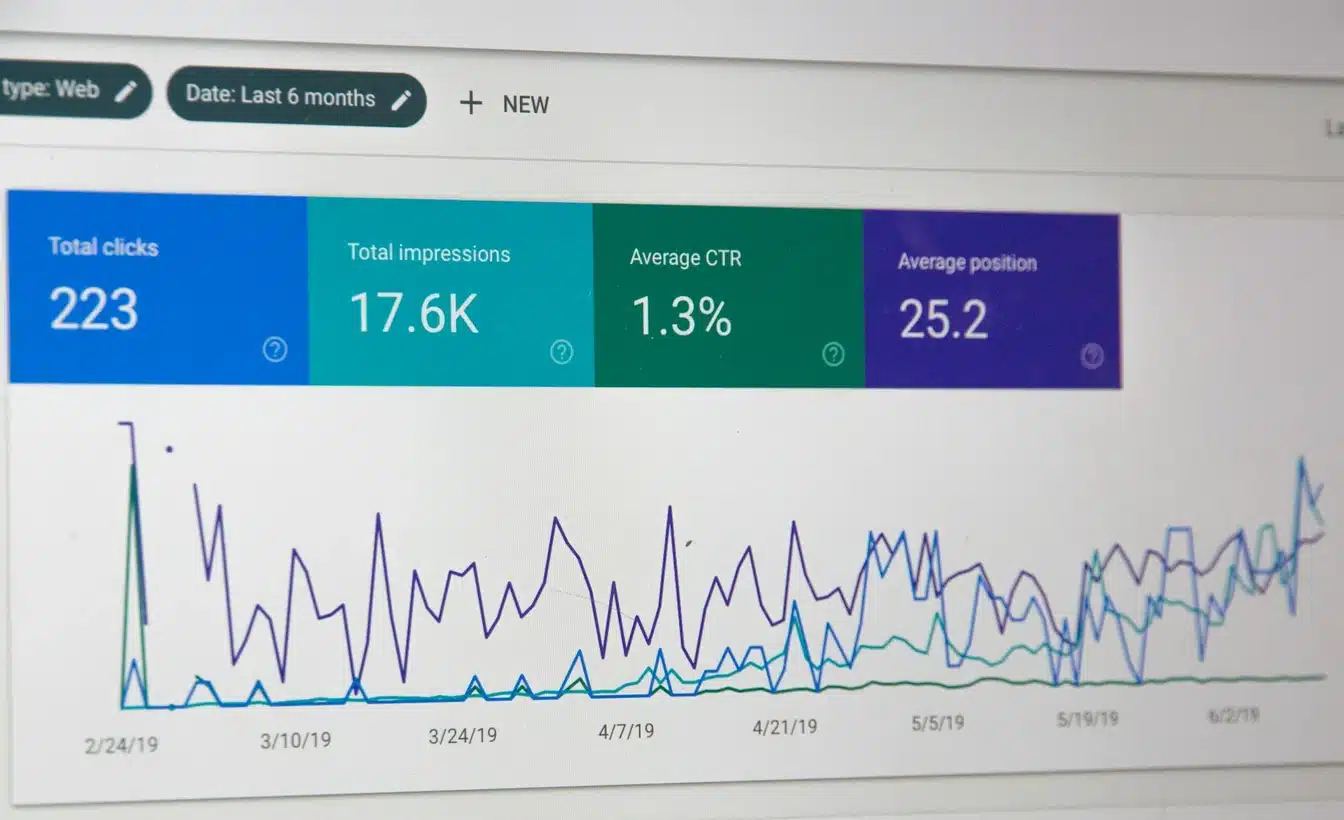
- Google Search Console: This is a free tool that gives you direct insights from Google’s search engine. It shows you which keywords your website is actually ranking for, what your average position is for those keywords, and what your click-through rate is in the search results. It will also alert you to any technical SEO issues that Google finds with your site, such as pages that are not mobile-friendly. You should monitor your Search Console data weekly.
By connecting these two platforms, you get a complete picture of your online presence, from how users find you in search to how they behave once they arrive on your website.
Calculating the True ROI of Your Foundation Repair Marketing
Let’s walk through a simple, step-by-step example to show how these KPIs come together to calculate your true return on investment.
Scenario:
You spend $5,000 on marketing in one month. This investment generates 50 qualified leads.
Your Cost Per Lead (CPL) is $100 ($5,000 / 50 leads).
Your office team sets 25 appointments from those leads. Your Lead-to-Appointment Rate is 50% (25 appointments / 50 leads).
Your sales team closes 10 jobs from those appointments.
Your Closing Rate is 40% (10 jobs / 25 appointments).
Your Cost Per Acquisition (CPA) is $500 ($5,000 marketing spend / 10 new jobs).
The total revenue from those 10 jobs is $70,000. Your Average Job Value (AJV) is $7,000 ($70,000 / 10 jobs).
Let’s assume your business operates on a 50% gross profit margin. This means your gross profit from these jobs is $35,000.
Now, we can calculate the final ROI:
ROI = (($35,000 Gross Profit – $5,000 Marketing Spend) / $5,000 Marketing Spend) x 100
ROI = ($30,000 / $5,000) x 100
ROI = 600%
In this scenario, for every $1 you invested in marketing, you generated $6 back in pure profit. This is the kind of data that gives you the confidence to scale your marketing budget and grow your business predictably.
How to Partner with an Agency for Predictable Growth
As you can see, managing a comprehensive marketing strategy, from SEO and PPC to content creation, reputation management, and technology integration, is a full-time job that requires specialized expertise. As a business owner, your time is best spent leading your team, managing operations, and ensuring your customers receive excellent service.
Here are the signs it might be time to partner with a professional marketing agency:
- You are spending money on ads but have no clear idea if they are actually working.
- You know you need to be creating content and building backlinks for SEO, but you simply don’t have the time or in-house expertise.
- Your local competitors are consistently outranking you on Google and in the Map Pack.
- You feel like your lead flow has hit a plateau, and you aren’t sure how to get to the next level of growth.
Partnering with a specialized agency like Aziel Digital brings a team of experts who live and breathe contractor marketing. An agency provides proven systems, industry-leading technology, and the strategic guidance to deliver predictable results.
Aziel Digital has a track record of driving massive growth for home service businesses, such as increasing call volume by more than 97% for Ultimate Reflections Towing. This partnership allows you to focus on what you do best, running a great foundation repair company, while your marketing works as a reliable engine for growth.
With a clear understanding of your numbers and a system for tracking them, you are no longer just a contractor; you are a savvy business owner in full control of your company’s future.
Chapter 9: Your Foundation Is Set. It’s Time To Build.
You now have the complete blueprint. Marketing your foundation repair business in today’s digital landscape is not about a single tactic or a secret trick. It is about building a comprehensive, interconnected system.
A system where a high-performance website captures traffic generated by strategic SEO, while paid ads fill the pipeline with urgent leads. It’s a system where a stellar reputation built on reviews fuels every other channel, and where technology allows you to track, measure, and improve your results with precision.
The core insight is this: you are in control. You no longer have to be reliant on expensive, shared leads or wait for the phone to ring. By systematically implementing the strategies in this guide, you can build a predictable engine for growth that delivers a steady stream of high-quality, profitable jobs directly to you. This is the foundation upon which a dominant, market-leading company is built.
Executing this blueprint takes time, expertise, and consistent effort. If you are ready to stop guessing and start growing with a proven partner, we invite you to schedule a Free Growth Call with the team at Aziel Digital. We will analyze your current online presence, identify your biggest opportunities, and lay out a clear, data-driven plan to help you achieve your growth goals.
Book your free, no-obligation strategy session today at https://azieldigital.com/free-consultation/
Commonly Asked Questions
What Is The Most Effective Form Of Marketing For A Foundation Repair Company?
The most effective marketing strategy is an integrated one, but the highest-quality leads typically come from Search Engine Optimization (SEO). When a homeowner has an urgent foundation problem, their first step is almost always searching on Google for terms like “foundation repair near me.”
According to Backlinko, the #1 result in Google’s organic search results has an average click-through rate of 27.6%, making a top ranking incredibly valuable for generating a consistent flow of inbound, high-intent leads without paying for every click.
While SEO provides the best long-term ROI, it should be combined with Local Services Ads (LSAs) for immediate, high-trust leads and a professionally designed website to convert that traffic.
How Much Should A Foundation Repair Business Spend On Marketing?
A common benchmark for established home service businesses is to allocate 5-10% of their total revenue to marketing. However, for a business focused on aggressive growth, this figure can be higher, often in the 12-15% range. The most important factor isn’t the percentage itself but the return on investment (ROI).
A company that diligently tracks its Cost Per Lead (CPL) and Cost Per Acquisition (CPA), as outlined by publications like the Small Business Administration, can confidently invest more money as long as the ROI remains strong and profitable. A good starting point is to determine your target number of jobs per month and work backward to calculate the budget needed based on a realistic CPA.
How Can I Get More Foundation Repair Leads Immediately?
For immediate lead generation, Google’s Local Services Ads (LSAs) are the fastest path to results. Because they appear at the very top of the search results and feature the “Google Guaranteed” badge, they attract homeowners who are ready to make a call right now. The pay-per-lead model means you only pay for actual inquiries.
A well-structured Google Ads (PPC) campaign targeting high-intent, location-based keywords like “emergency foundation repair [city]” can also start generating calls within 24 – 48 hours of launch, providing a direct and immediate pipeline of urgent leads while your long-term SEO strategy gains traction.
Is SEO Or PPC Better For Foundation Repair Contractors?
Neither is “better”; they serve different but complementary purposes. SEO is the best strategy for long-term, sustainable, and profitable growth. It builds your brand as an authority and generates “free” organic traffic over time. PPC (including Google Ads and LSAs) is the best strategy for speed and control.
It allows you to generate leads on demand, target specific zip codes, and get immediate visibility. The ideal strategy, implemented by the most successful contractors, is to use PPC to generate leads and revenue today while investing consistently in SEO to build a valuable long-term asset that reduces your reliance on paid ads in the future.
How Do I Compete With Larger Foundation Repair Companies In My City?
You can compete effectively by dominating a specific local niche and focusing on trust. Instead of trying to outspend a large competitor across the entire metro area, focus your SEO and PPC efforts on a smaller cluster of high-value suburbs or neighborhoods. Build out hyper-local service area pages on your website for these specific towns.
Furthermore, lean into your strengths as a smaller, more personal company. Showcase real photos of your owner and team, generate a higher density of 5-star reviews in your target area, and build strong referral partnerships with local realtors and home inspectors who prefer working with a responsive local business over a national franchise.
What Are The Most Important Keywords To Target For Foundation Repair?
The most important keywords are those with high commercial and transactional intent, combined with a local modifier. These are the terms people search for when they are ready to hire. Examples include “[city] foundation repair,” “foundation contractors near me,” “basement waterproofing [city],” and “crawl space encapsulation cost.”
In addition to these “money” keywords, it is also critical to target symptom-based, informational keywords with blog content, such as “what do horizontal foundation cracks mean,” to capture homeowners at the very beginning of their research process and establish your expertise.
How Can I Get Foundation Repair Leads Without Using Angi Or HomeAdvisor?
You can build a self-reliant lead generation system by investing in your own digital assets. The core strategy is to focus on “owned” marketing channels where you control the platform and the lead. This includes driving traffic to your own website through local SEO and Google Ads, where the lead comes directly to you.
Building a strong brand reputation through Google reviews, creating valuable content on your blog, and establishing a referral network with real estate agents are all powerful ways to generate exclusive leads that your competitors don’t have access to, reducing your dependence on shared-lead services.
What Kind Of Content Should I Post On My Foundation Repair Company’s Blog?
Your blog should function as a resource library that answers every potential question a local homeowner might have about their foundation. Focus on educational, problem-solving content. Create articles that are hyper-local, such as “How Florida’s Hurricane Season Impacts Your Home’s Foundation.”
Write detailed guides that explain different repair methods, like “A Visual Guide to Helical Pier Installation.” Address the cost question head-on with posts that break down the factors influencing price.
This type of content, recommended by content marketing authorities like the Content Marketing Institute, builds trust and attracts high-quality organic traffic from searchers in the early stages of their buyer’s journey.
How Do I Ask Customers For Reviews Without Being Pushy?
The key is to make the request at the peak of their satisfaction and make the process incredibly simple. The best time to ask is in person, right after the final walkthrough, when the customer is happy with the completed job. Simply say, “We’re so glad you’re happy with the work. The best way you can thank us is by sharing your experience on Google.
Would you be open to that?” Then, immediately follow up with a text message containing a direct link to your Google review form. This combination of a personal, low-pressure ask followed by a convenient digital link removes all friction from the process and dramatically increases your success rate.
What Is A Good Cost Per Lead For The Foundation Repair Industry?
A good Cost Per Lead (CPL) for foundation repair can vary significantly based on location and the marketing channel, but a general range is typically between $75 and $200 for a qualified lead.
Leads from more competitive channels like Google Ads in major metro areas might be on the higher end of that spectrum, while leads from organic SEO may have a much lower effective CPL over time.
The most important metric to track alongside CPL is Cost Per Acquisition (CPA), as a higher-priced lead that converts into a job at a high rate can be more profitable than many cheap leads that never close.
Are Local Services Ads (LSAs) Worth It For Foundation Repair?
Yes, for nearly every foundation repair contractor, Local Services Ads are absolutely worth it. The “Google Guaranteed” badge is a powerful trust signal that addresses a homeowner’s primary fear of hiring the wrong contractor. The pay-per-lead model is also highly attractive, as it minimizes wasted ad spend and provides a more predictable lead cost.
Given that foundation repair is a high-stakes, high-trust decision, the credibility and top-of-page placement offered by LSAs make them one of the most effective paid advertising channels available for generating immediate, high-quality phone calls.
How Can I Use Social Media To Market My Foundation Repair Business?
Social media for foundation repair is best used for brand building and retargeting, not direct lead generation. Use platforms like Facebook and Instagram to showcase the human side of your business. Post high-quality photos and videos of your team at work, completed project walkthroughs, and video testimonials from happy customers.
You can also run targeted ad campaigns to homeowners in your service area that promote your educational blog content. Finally, use social media for retargeting: show ads to people who have recently visited your website to stay top-of-mind as they make their hiring decision.
What’s The Best Way To Build Partnerships With Local Real Estate Agents?
The best way to build partnerships is by providing value first. Don’t just ask for referrals; position yourself as an indispensable resource for them and their clients. Offer to conduct a free “lunch and learn” training session at their brokerage on “How to Spot Foundation Red Flags During a Showing.”
Create a co-branded, one-page PDF checklist they can give to their buyers. By educating them and making them look smarter to their clients, you become their trusted partner, and the referrals will follow naturally.
How Often Should I Be Updating My Company Website And Google Business Profile?
Your Google Business Profile should be updated weekly. This includes uploading new, geotagged photos of recent jobs and publishing a new Google Post to share a project update, a new blog article, or a special offer.
This consistent activity signals to Google that your business is active and relevant. Your core website pages, like service and city pages, should be reviewed and updated at least once a year to ensure the information is current. Your blog should be updated with new, helpful content at least once or twice per month to consistently build your topical authority and organic search rankings.
What Is The First Step I Should Take To Improve My Online Marketing?
The first and most important step is to fully optimize your Google Business Profile (GBP). Your GBP is your most powerful tool for local visibility and often the first impression a potential customer has of your business.
Fill out every single section completely, select the correct categories, upload at least 20 – 30 high-quality photos, generate a baseline of 10 – 15 recent 5-star reviews, and ensure your business name, address, and phone number are 100% accurate. Mastering your GBP will provide the quickest and most significant impact on your local lead generation.
Can AI Help Me Get More Foundation Repair Jobs?
Yes, AI can be a powerful tool to help you get more jobs by improving efficiency and customer experience. An AI-powered chatbot on your website can qualify leads and book inspections 24/7, ensuring you never miss an opportunity after hours.
AI tools can help you brainstorm and outline content ideas for your blog much faster, improving your SEO. Internally, AI within CRM systems can help analyze sales data to identify your most profitable lead sources, allowing you to focus your marketing budget more effectively to attract the best types of jobs.
What Marketing Metrics Should The Owner Of A Foundation Repair Company Track Daily?
While most KPIs are tracked on a weekly or monthly basis, the owner should have a daily pulse on two key areas: New Leads Generated and Appointments Set. These are the leading indicators of your pipeline’s health.
Knowing how many new opportunities came in yesterday and how many of those were converted into scheduled inspections tells you if your marketing is working and if your intake process is effective in real-time. A simple daily check of these two numbers from your CRM provides immediate insight and allows for rapid course correction if things are off track.