
The phone rings at 2 AM. It’s not a wrong number, it’s a panicked homeowner with a burst pipe flooding their basement. For a mold remediation contractor, this is the sound of opportunity. But that call doesn’t happen by accident.
In a market flooded with competitors, the companies that get those high-value emergency jobs are the ones who built a marketing system that works while they sleep.
They aren’t just waiting for the phone to ring, they’ve engineered a predictable flow of leads that turns disasters into profitable projects.
This is not another blog post with vague tips. This is the definitive, chapter-by-chapter playbook for mold remediation marketing. We’re going to break down the exact strategies that top restoration companies use to dominate their local markets.
You will learn how to build a digital presence that screams trust, how to show up at the top of Google for emergency searches, how to turn online reviews into a lead generation machine, and how to build a bulletproof system that brings in jobs from every possible angle.
By the end of this guide, you will have a complete blueprint to build a marketing engine that fuels your growth.
Chapter 1: The U.S. Mold Remediation Market
Before investing a single dollar or hour into marketing, you need to answer a fundamental question: Is this a good business to be in? For mold remediation, the data provides a clear and resounding “yes.”
This isn’t a fad industry, it’s a permanent and growing fixture of the U.S. economy, driven by predictable forces that ensure a consistent demand for your services.
Understanding these numbers is the first step toward building a strategy to claim your share of the market.
The U.S. Mold Remediation Market Size and Growth Forecast
The specialized market for mold remediation services in the United States is currently valued at approximately $1.6 billion. While that’s a substantial number, it’s important to see it within its larger context.
Mold remediation is a key segment of the massive $210 billion disaster restoration services industry. This means you’re operating in a niche that has a direct line into a much larger pool of potential revenue.
More importantly, this market is stable and growing. The global mold remediation service market size was estimated at USD 1,234.6 million in 2023 and is projected to reach USD 1,516.8 million by 2030, growing at a CAGR of 3.0% from 2024 to 2030.
This isn’t the explosive, unpredictable growth of a tech startup, it’s the steady, reliable expansion you can build a long-term business on.
Unlike a trade like residential construction which can be highly sensitive to economic downturns and interest rates, the need for mold remediation is constant. Leaks happen, storms hit, and old pipes fail regardless of what the stock market is doing.
Key Drivers Fueling Consistent Demand for Mold Services
The steady growth of this industry isn’t based on speculation. It’s powered by three powerful, long-term trends that create a continuous stream of work for qualified contractors.
First, environmental factors are playing an increasingly significant role. The rising frequency and intensity of extreme weather events, hurricanes, atmospheric rivers, and severe flooding, are a primary catalyst for large-scale water damage.
For instance, Hurricane Ian caused over $112 billion in damages, a huge portion of which involved water intrusion that inevitably leads to widespread mold growth.
Beyond catastrophic events, shifts in regional climates leading to higher humidity and increased precipitation also create the perfect breeding ground for mold in homes and businesses.
Second, the aging housing stock in the United States provides a constant, non-weather-dependent source of jobs. According to the U.S. Census Bureau’s American Housing Survey, the median age of an owner-occupied home is now 40 years.
Older homes are far more susceptible to the problems that cause mold, deteriorating plumbing, failing roof flashings, cracked foundations, and inefficient ventilation.
This creates a baseline of demand that exists in every city and town across the country, every single day.
Third, a heightened public awareness of health risks associated with mold has transformed it from a nuisance into a serious concern. Decades ago, a homeowner might have just sprayed some bleach on a moldy spot.
Today, thanks to accessible information from trusted sources like the Centers for Disease Control and Prevention (CDC) and the Environmental Protection Agency (EPA), people understand the links between mold exposure and respiratory issues, asthma, and allergic reactions.
This is reflected in search data, where queries for terms like “black mold health risks” have grown by over 40% in the last five years. This increased concern means homeowners are far more likely to seek professional remediation rather than attempting risky and ineffective DIY solutions.
Profitability, Average Job Value, and Expansion into Water Damage
Mold remediation is a profitable trade. While margins can vary based on factors like equipment overhead, labor costs, and the mix of insurance versus private-pay work, they are generally strong.
For residential projects, the average job value typically falls within a range of $1,500 to $6,000, but can easily exceed this for larger or more complex situations. Commercial projects, such as remediating an office building or apartment complex, can be exponentially larger.
The most critical insight for any mold remediation business owner is the symbiotic relationship with water damage restoration.
Industry data suggests that an estimated 50% of all mold jobs originate from a water damage event. According to The US Environmental Protection Agency, a pipe bursts, a sump pump fails, or a roof leaks, and if not dried properly within 24-48 hours, mold growth is almost guaranteed.
This makes water damage restoration the single most natural and profitable service expansion. The market for water damage services is significantly larger than mold remediation alone.
By offering both services, you not only capture the initial emergency call but also the highly profitable remediation work that follows.
This strategy provides a massive competitive advantage, dramatically increases your revenue per customer, and creates a more stable, predictable flow of leads year-round. You become the single-source solution for the entire problem, building more trust and capturing more revenue.
Now that we’ve established the significant and stable opportunity that exists, the next step is to build the digital infrastructure that will allow you to capture it.
Before you can effectively run ads or rank on Google, you need a professional and trustworthy online presence that convinces potential customers you are the right choice for the job.

Chapter 2: Building A High-Trust, Lead-Generating Mold Remediation Online Presence
Before you spend a single dollar on ads or a single hour on SEO, you need a digital “storefront” that works. When a homeowner with a mold emergency finds you online, you have just a few seconds to convince them that you are the credible, professional solution to their urgent problem.
If your website is slow, confusing, or untrustworthy, they will click the back button and call your competitor without a second thought.
This chapter provides the blueprint for building your core digital assets, your website and your Google Business Profile to ensure that when customers find you, they call you.
How to Design a Mold Remediation Website That Converts Emergency Calls
Your website is your 24/7 salesperson. Its primary job is to generate leads, specifically phone calls from people in distress. Every design choice should serve that single purpose.
A modern, effective mold remediation website is built on a foundation of speed, trust, and clarity.
First, a mobile-first design is absolutely non-negotiable. Over 60% of searches for emergency terms like “mold removal near me” happen on a smartphone, often while the user is standing in a flooded basement.
Google itself uses mobile-first indexing, meaning it prioritizes the mobile version of your site for ranking purposes. A slow-loading or difficult-to-navigate mobile site is the fastest way to lose a valuable lead.
To build a site that converts, you must include several core pages, each optimized for a specific purpose.
The key pages every mold remediation website must have are:
- Homepage: This is your digital front door. It needs an ultra-clear headline that immediately communicates who you are, what you do, and where you do it, e.g., “24/7 Emergency Mold Remediation in Jacksonville, FL”. A clickable phone number must be prominent in the header, and a simple “Get a Free Estimate” form should be visible “above the fold” without any scrolling. A row of trust badges like your IICRC certification logo should be featured prominently.
- Service Pages: You need dedicated, detailed pages for each individual service you offer. This includes Mold Remediation, Mold Testing & Inspection, Water Damage Restoration, and Commercial Mold Removal. Create specialty pages for high-value problems like Black Mold Removal or Attic Mold Remediation. Each page must detail your process, the equipment you use, and the benefits of hiring a professional, which is crucial for SEO and for educating the customer.
- Local Service Area Pages: These pages are your secret weapon for ranking in searches outside your primary city. If your office is in Jacksonville but you also serve Ponte Vedra Beach, you need a unique page titled “Ponte Vedra Beach Mold Remediation.” This page should feature content specific to that area, testimonials from local clients, and an embedded map of the service area.
- About Us: This page humanizes your company. A major reason customers hesitate to call a contractor is fear of being scammed. Counter this by showing photos of your actual team and trucks, not generic stock photos. Tell your company’s founding story and proudly display your IICRC certification number. This builds immense trust and helps Google understand your Expertise, Experience, Authority, and Trustworthiness (E-E-A-T).
- Blog/Resources: This is the engine of your content marketing. It’s where you’ll post helpful articles that answer customer questions, build topical authority, and attract search traffic from people who aren’t yet ready to buy.
- Contact Page: Keep it simple and functional. Include your business name, address, and phone number, a contact form, and an embedded Google Map showing your physical location.
How to Optimize Your Google Business Profile to Dominate the Local Map Pack
For a local service business, your Google Business Profile (GBP) is arguably your most important digital asset. The “Map Pack”,the box showing three local businesses with a map,appears at the top of the search results for most local queries.
According to extensive research, the top three results in the Map Pack capture over 70% of all clicks. For generating immediate, high-intent phone calls, your GBP performance is often more critical than your website’s organic ranking.
Optimizing your profile is not a one-time task, it requires ongoing attention to detail. Follow these steps to turn your GBP into a lead generation machine.
- Select the Right Categories: Your primary category must be “Mold remediation service.” This is non-negotiable and tells Google exactly what you do. Add relevant secondary categories like “Water damage restoration service” and “Fire damage restoration service” to capture a wider range of searches.
- Define Your Service Areas: Be specific. List up to 20 cities, zip codes, or counties that you physically serve. This helps you appear in searches from customers in those surrounding areas.
- Build an Exhaustive Services List: Go beyond the basics. Use all of Google’s predefined services that apply to your business. Then, add custom services with detailed, 1,000-character descriptions. Instead of just “Mold Removal,” add “Crawlspace Mold Cleanup,” “Attic Mold Remediation,” and “Black Mold Abatement,” each with a description of the process. This is a prime opportunity to include important keywords.
- Upload Photos Constantly: Visuals build trust and engagement. A BrightLocal study found that businesses with over 100 photos on their GBP get 520% more calls than the average business. Aim for a mix of high-quality, geo-tagged photos showing your team at work, your branded vehicles, and compelling before-and-after shots of your projects.
- Utilize Google Posts: Treat Google Posts like a mini-blog on your profile. Once a week, create a post to showcase a recently completed job, highlight a 5-star review, or share a helpful tip. This signals to Google that your business is active and engaged.
- Pre-load the Q&A Section: Don’t wait for customers to ask questions. Proactively add your own Frequently Asked Questions and answer them yourself. This is another fantastic place to address common customer concerns and include relevant keywords.
- Focus on Reviews: Reviews are the single most important ranking factor within the Map Pack. You need a steady stream of new, positive reviews. Your review quantity, velocity (how frequently you get them), and your responses to them all impact your visibility.
The Non-Negotiable Trust Signals
In an emergency, customers are looking for reassurance. They need to know that the company they call is legitimate, qualified, and trustworthy. You can build this trust instantly with powerful visual signals on your website and GBP.
The most important trust signal in the restoration industry is the IICRC (Institute of Inspection, Cleaning and Restoration Certification) logo.
This is the industry’s gold standard. Displaying this logo prominently on your website can increase conversion rates by as much as 25% because it tells potential customers that you adhere to the highest professional standards.
Mentioning other relevant certifications, like those from NORMI or MICRO, further solidifies your expertise.
Visual proof is another critical element. High-quality before-and-after photos of your work are more believable than any written description.
Create dedicated project galleries on your website showcasing your ability to transform a mold-infested space back to a clean, safe environment.
Finally, your commitment to emergency service is a marketing message in itself. The phrase “24/7 Emergency Service” must be highly visible on your website header, your GBP profile, your Google Ads, and your vehicle wraps.
It directly addresses the customer’s urgent need and signals that you are ready and able to help immediately.
With a rock-solid digital foundation in place, you are now ready to start driving targeted traffic to it. The next chapter will provide a complete blueprint for Local SEO, the most sustainable long-term strategy for generating a consistent flow of high-value, organic leads.
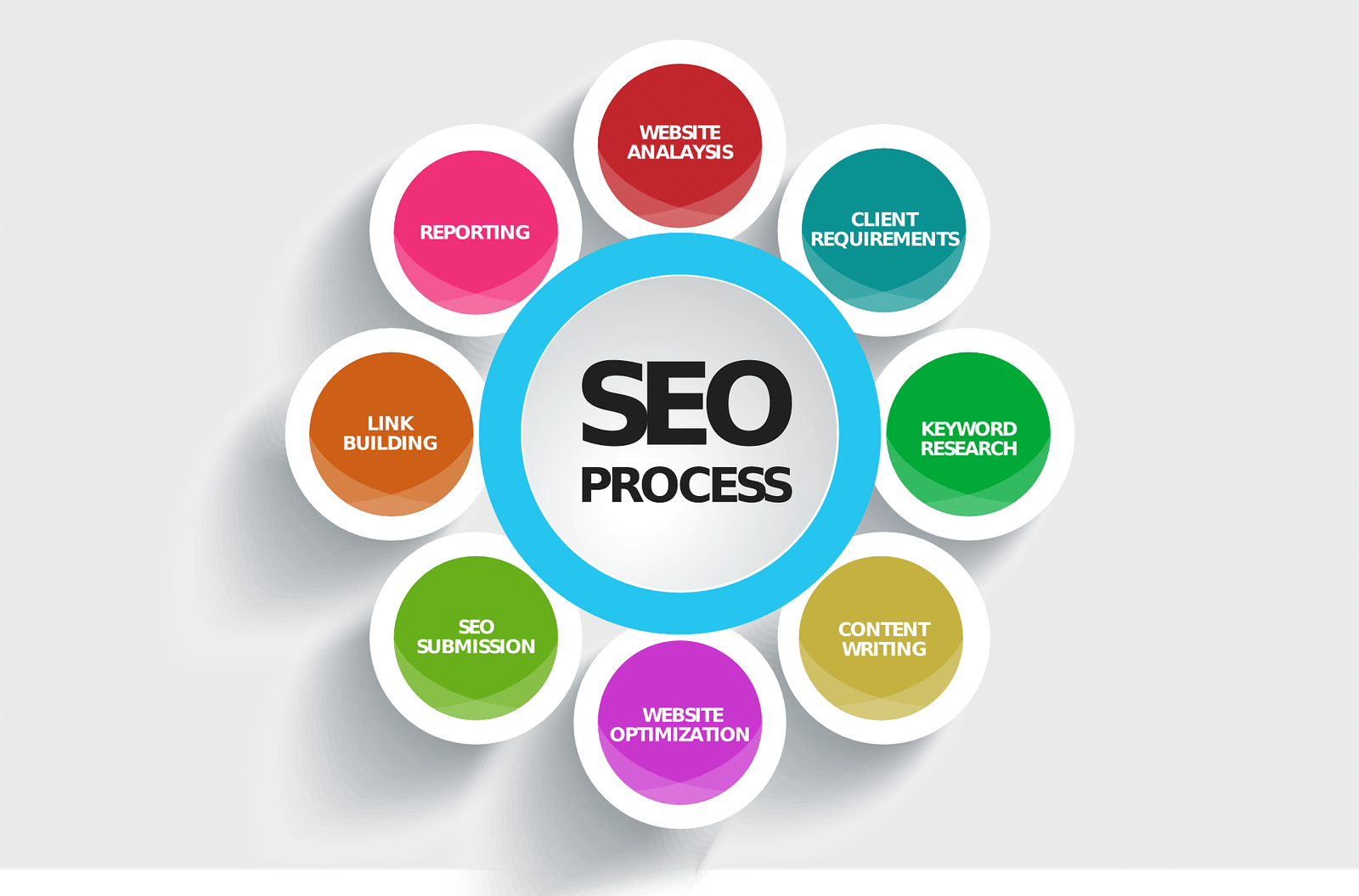
Chapter 3: The Ultimate Local SEO Blueprint For Mold Remediation Contractors
Organic search is the engine of sustainable, long-term growth. While paid ads can bring in leads today, a strong SEO presence is an asset that generates high-quality leads for free, month after month.
Ranking at the top of Google for valuable search terms establishes your company as the market leader and builds a level of trust that ads can’t buy.
This chapter demystifies Search Engine Optimization (SEO) for mold remediation companies, providing a clear, actionable blueprint to dominate the search results in your service area.
Keyword Research for Mold Remediation
Effective SEO begins with understanding what your potential customers are actually typing into Google.
This process, known as keyword research, is about more than just finding popular terms, it’s about understanding search intent,the “why” behind the search. For mold remediation, search intent generally falls into two crucial categories.
First are the Emergency / Transactional Intent Keywords. These are used by people who have an active, urgent problem and need to hire someone now.
These keywords have immense commercial value and are the most competitive. In Google Ads, the Cost Per Click (CPC) for these terms can easily range from $25 to over $100. Ranking organically for them is like printing money.
Examples of high-intent transactional keywords include:
- `emergency mold removal [city]`
- `24/7 mold cleanup [zip code]`
- `cost to remove mold in attic`
- `mold remediation company near me`
- `black mold removal services [state]`
Second are the Informational Intent Keywords. These are used by people who are diagnosing a problem, researching solutions, or trying to understand the risks.
They may not be ready to hire today, but by providing them with helpful answers through blog content, you build trust and establish your company as the local authority. When they are ready to make a call, you’ll be the first one they think of.
Examples of valuable informational keywords include:
- `what does black mold smell like`
- `signs of mold behind drywall`
- `is mold in my air conditioner dangerous`
- `diy mold removal vs professional`
- `how to prevent mold after a water leak`
To build a comprehensive keyword strategy, you’ll also use specific modifiers to target your ideal jobs.
These include geographic modifiers (`[city]`, `[county]`, `[neighborhood]`), service-specific modifiers (`testing`, `inspection`, `remediation`, `removal`, `cleanup`), and problem-specific modifiers (`basement`, `crawlspace`, `attic`, `after flood`).
You can start your research with free tools like the Google Keyword Planner and AnswerThePublic, while professional tools like Semrush and Ahrefs allow you to analyze your competitors’ strategies and uncover more opportunities.
On-Page SEO for Service and City Pages
Once you have your keywords, you need to optimize the pages on your website to rank for them. This is called on-page SEO. Your most important pages for this are your main service pages e.g., “Mold Remediation”, and your city pages e.g., “Ponte Vedra Beach Mold Remediation”.
Each page must be meticulously optimized to tell Google exactly what it’s about and why it deserves to rank.
Here is a step-by-step on-page SEO checklist for creating a perfectly optimized “Mold Remediation in [City]” page:
- Title Tag: This is the blue link that appears in Google search results. It’s one of the most important ranking factors. Follow this formula: `[Primary Service] in [City], [State] | [Your Brand Name]`. For example: “Expert Mold Remediation in Jacksonville, FL | Aziel Restoration”. Keep it under 60 characters.
- Meta Description: This is the short text snippet under the title tag in search results. It doesn’t directly impact rankings, but a compelling description increases clicks. Follow this formula: `Need fast mold remediation in [City]? Our IICRC-certified team offers 24/7 emergency service and direct insurance billing. Call for a free estimate.` Keep it under 160 characters.
- H1 Heading: This is the main headline on the page itself. There should only be one H1, and it must clearly state the page’s topic. For example: “Jacksonville Mold Remediation Services.”
- Content Depth and Quality: Your page needs to be a comprehensive resource. Aim for a minimum of 1,000 words of unique, helpful content. Don’t just stuff keywords. Detail your entire step-by-step remediation process: containment, negative air pressure, air filtration, controlled demolition, cleaning, and final clearance testing. Mention the specific professional equipment you use, like HEPA vacuums and air scrubbers. Embed high-quality photos and videos of your team in action to build trust and increase time on page.
- Internal Linking: Strategically link from your main service pages to other relevant pages on your site. For example, on your “Mold Remediation” page, you should include links to your “Water Damage Restoration,” “Mold Testing,” and relevant blog posts like “How We Handle Attic Mold.” This helps users and search engines navigate your site and understand the relationship between your services.
Local Authority Building For Remediation Companies
Google wants to rank businesses that are legitimate, established, and recognized as authorities in their local area. You build this authority through off-page SEO signals, primarily citations and backlinks.
Citations are simply online mentions of your business’s Name, Address, and Phone number (NAP).
According to a foundational study by Moz on local search ranking factors, the consistency of your NAP information across the web is a critical signal to Google. It confirms that you are a real, legitimate business at a specific location.
You must ensure your NAP is 100% identical across all major platforms, including Google Business Profile, Apple Maps, Bing Places, Yelp, Facebook, Angi, and the Better Business Bureau. Tools like BrightLocal can help you manage and clean up your citations.
While citations are foundational, high-quality backlinks are what truly move the needle in competitive markets. A backlink is a link from another website to yours, and Google views it as a “vote of confidence.”
Not all links are created equal, a link from a relevant, authoritative local website is far more valuable than a link from a random directory.
You can proactively earn these powerful links with a few smart strategies:
- Sponsor a local little league team or a community 5K race. They will almost always link back to your website from their sponsors page.
- Join your local Chamber of Commerce. This usually comes with a listing and a link from a highly trusted local domain.
- Get listed in the official IICRC contractor directory. This is a highly relevant, authoritative link.
- Engage in digital PR by writing a guest post for a local real estate agent’s blog. An article titled “5 Mold Red Flags to Look for During a Home Inspection” provides real value to their audience and earns you a powerful local backlink.
Mastering local SEO is a long-term investment that pays dividends for years. But while you’re building that organic authority, there are ways to get your phone ringing immediately.
The next chapter dives into the world of paid advertising, the fastest way to get in front of customers with an urgent need.

Chapter 4: Mold Remediation PPC For High-Value Emergency Jobs
When a pipe bursts at 3 AM or a homeowner uncovers a wall of black mold during a renovation, they don’t have time for extensive research. They grab their phone and search for immediate help.
Paid advertising, also known as Pay-Per-Click (PPC), is the most direct and powerful way to capture this high-intent, emergency demand. It allows you to place your business at the very top of the Google search results, ensuring you are the first option they see.
This chapter breaks down the two most important paid ad platforms for contractors: Google Local Services Ads and traditional Google Ads.
The “Pay-per-Lead” Engine for Guaranteed Calls
For most home service contractors, Google Local Services Ads (LSAs) are the single best place to start with paid advertising.
These ads appear at the absolute top of the search results page, even above the traditional PPC ads and the organic map pack.
Their most compelling feature is their business model: you pay per lead, not per click. This means you only spend money when a potential customer actually calls or messages you directly through the ad.
The centerpiece of the LSA program is the “Google Guaranteed” badge. To earn this badge, you must pass a background check and provide Google with proof of your license and insurance. This verification process is incredibly powerful.
The green checkmark next to your business name acts as an instant trust signal, telling the searcher that Google has vetted you. This badge dramatically increases click-through and call-through rates compared to any other ad format.
The Cost Per Lead (CPL) for mold remediation through LSAs typically ranges from $50 to $150 or more, depending on your market’s competitiveness.
While this may sound high, it’s often more cost-effective than traditional PPC, where you might spend hundreds on clicks that never turn into a call. A major advantage of LSAs is the ability to dispute invalid leads.
If you get a call from a solicitor, someone outside your service area, or someone requesting a service you don’t offer, you can dispute the lead and get a credit back to your account.
Unlike traditional search ads that rely on keywords and bidding strategies, LSA rankings are determined by a different set of factors.
The most important are your proximity to the searcher, the quantity and quality of your Google reviews, and your responsiveness to incoming leads. Answering calls quickly and consistently is crucial for maintaining a high rank in the LSA pack.
How to Build a Profitable Google Ads (PPC) Campaign for Mold Remediation
While LSAs are fantastic for generating calls, traditional Google Ads (often just called PPC) offer greater control, wider reach, and more advanced targeting options.
A well-structured Google Ads campaign can be a highly profitable machine for generating a consistent flow of high-value leads.
Success in Google Ads requires a meticulous and strategic approach. It starts with proper campaign structure. You should create separate campaigns for each core service, such as Mold Remediation and Water Damage Restoration.
Within each campaign, create tightly-themed ad groups for different types of search intent. For example, you might have an “Emergency” ad group targeting keywords like `24/7 mold cleanup` and a “Testing” ad group targeting keywords like `home mold inspection cost`.
Your keyword strategy is paramount to controlling costs and reaching the right customers. Focus on Phrase Match and Exact Match keyword types to avoid showing up for irrelevant searches.
Even more important is building an exhaustive negative keyword list. This is a list of terms that you don’t want your ads to show for.
A starter list for any mold remediation company must include terms like `diy`, `jobs`, `training`, `supplies`, `lawsuit`, `symptoms`, `pictures`, and `school`. Diligently adding negative keywords prevents you from wasting thousands of dollars on clicks from people who have no intention of hiring you.
Your ad copy needs to be compelling and packed with value.
- Headlines: Use clear, benefit-driven headlines like “24/7 Mold Remediation in [City]” or “IICRC Certified Mold Removal.”
- Descriptions: Highlight your key differentiators in the description. Mention “Direct Insurance Billing,” “Free Estimates,” and your “5-Star Google Rating.”
- Ad Extensions: These are crucial for taking up more real estate on the search results page and increasing click-through rates. You must use Call extensions to make it easy for mobile users to call you. Also use Sitelinks (linking to your service pages), Callouts (highlighting benefits like “A+ BBB Rating”), and Location extensions (showing your address).
Finally, call tracking is absolutely non-negotiable for running a profitable PPC campaign. Studies show that 50-70% of leads for emergency home services come from phone calls, not form submissions.
Without call tracking software like CallRail, you have no way of knowing which keywords, ads, and campaigns are actually making your phone ring. You’ll be flying blind, unable to calculate your true ROI.
The Anatomy of a High-Converting PPC Landing Page
Where you send people after they click your ad is just as important as the ad itself. You should never send PPC traffic to your website’s homepage. Instead, you must use a dedicated landing page designed for a single purpose: conversion.
A high-converting landing page is ruthlessly focused. The headline on the page must directly match the ad that the user just clicked.
This “message match” reassures the visitor that they are in the right place. Remove the main website navigation menu to eliminate distractions and keep the user focused on the one action you want them to take, contacting you.
The most critical information must be “above the fold,” visible on the screen without scrolling. This includes your phone number in large, clickable text and a simple contact form.
Immediately reinforce trust by displaying your IICRC logo, your Google Guaranteed badge, your star rating, and a powerful customer testimonial. Every element on the page should guide the visitor toward making the call or filling out the form.
Paid advertising provides the immediate velocity you need to grow your business. But to build a truly dominant brand, you need to earn trust before the customer even starts their search.
The next chapter explores how content marketing and reputation management can position you as the obvious choice in your market.

Chapter 5: Mold Remediation Content Marketing And Reputation Management
The most powerful marketing doesn’t feel like marketing at all. It feels like help. By creating genuinely useful content and building a stellar online reputation, you establish your company as a trusted authority.
This means that when a potential customer finally has a problem that requires a professional, your company is already at the top of their list.
This chapter focuses on the two pillars of pre-emptive trust-building: a strategic content marketing funnel and a systematic approach to online reputation management.
A Content Marketing Funnel for Mold Remediation Companies
Content marketing is the process of creating and sharing valuable, relevant content to attract and retain a clearly defined audience.
For a mold remediation company, this means answering your customers’ questions before they even think to ask you directly. A helpful way to structure this is by thinking of a funnel, guiding potential customers from initial awareness of a problem to the decision to hire you.
Top of Funnel (Awareness): This stage is for people who are just starting to suspect they might have a mold problem. They are in research mode, asking “What’s the problem?” Your goal here is to attract them with helpful, educational content that answers their initial questions. This content is typically in the form of blog posts.
- Content Ideas: “Top 10 Signs of Hidden Mold in Your Home,” “Is Black Mold Dangerous? A Guide to Health Risks,” “Common Causes of Basement Mold & How to Prevent Them.”
Middle of Funnel (Consideration): At this stage, the customer knows they have a problem and is now evaluating how to solve it. They are asking, “How do I solve it?” Your content should position your company as the expert solution by comparing options and explaining your professional process.
- Content Ideas: “DIY Mold Removal vs. Hiring a Professional: A Cost & Safety Breakdown,” “Our Professional Mold Remediation Process (A Step-by-Step Guide),” “How Much Does Mold Remediation Cost in Florida? An Honest Look at Pricing.”
Bottom of Funnel (Decision): The customer is now ready to hire someone and is asking, “Who should I hire?” Your content at this stage needs to be all about conversion. It should showcase your expertise, prove your results, and make it easy for them to contact you.
- Content Ideas: Your detailed service pages, comprehensive before-and-after project photo galleries, video testimonials from happy clients, and local case studies like “Case Study: Attic Mold Remediation in a Jacksonville Beach Home.”
By creating content for each stage of this funnel, you build a relationship with potential customers over time, earning their trust long before you ask for their business.
Your System for Generating and Leveraging 5-Star Reviews
In the home services industry, your reputation is everything. Online reviews are the modern-day word-of-mouth, and they are a primary factor in a customer’s hiring decision. The data on this is overwhelming.
A study by ReviewTrackers found that 94% of consumers say an online review has convinced them to avoid a business. Research from BrightLocal shows that businesses need an average of 40 online reviews before consumers begin to trust their star rating.
The impact on revenue is also direct, a classic Harvard Business School study revealed that a one-star increase in a Yelp rating can lead to a 5-9% increase in revenue.
You cannot afford to leave getting reviews to chance. You need a systematic, repeatable process.
A proven system for generating a steady stream of 5-star reviews includes these steps:
- Set the Expectation: From the very first interaction, let the customer know that your goal is to provide a 5-star experience. This frames the entire project around quality and customer satisfaction.
- Ask in Person: The best time to ask for a review is at the very end of the job, during the final walkthrough when the customer is happy and relieved to see their home restored. The project manager should say something simple like, “We’re so glad we could help you out. Our business relies on feedback from customers like you. Would you be willing to share your experience on Google?”
- Automate the Follow-up: Don’t rely on the customer to remember. Immediately after the in-person ask, use a reputation management software platform like Podium or Birdeye to send an automated text message. This message should thank them again and include a direct link to your Google review page, making it as easy as possible for them to leave feedback.
Responding to reviews is just as important as getting them. You should respond to every single one. For positive reviews, thank the customer by name and mention a specific detail about their project.
For the inevitable negative review, it’s crucial to respond professionally. Acknowledge their frustration, apologize that their experience didn’t meet expectations, do not get defensive, and offer to take the conversation offline to resolve the issue.
This response isn’t just for the unhappy customer, it’s for all the potential customers who are watching to see how you handle problems.
Using Social Media for Social Proof and Community Engagement
While social media may not be a primary source of emergency leads for mold remediation, it is an incredibly powerful platform for building social proof and brand personality. Focus your efforts on visual platforms like Facebook and Instagram.
Your content strategy on social media should revolve around proof. Post high-quality before-and-after photos and short video clips of your team in action. Share video testimonials from delighted clients.
These posts serve as a constant stream of evidence that you do excellent work. You can also run “behind the scenes” posts, showing your team cleaning equipment or participating in a training session.
This humanizes your brand and builds a connection with your local community.
Finally, be an active participant in local community groups on Facebook. When someone asks for a recommendation for a restoration company, your active and professional presence makes it much more likely that past customers or community members will tag your business and recommend your services.
Managing content and reputation requires consistency and the right tools. To truly scale your growth, you need to support your marketing efforts with a modern technology stack and a clear understanding of your key metrics, which is exactly what we’ll cover in the next chapter.

Chapter 6: The Modern Mold Remediation Contractor’s Tech Stack For Scalable Growth
In the past, a contractor might have run their business from a clipboard and a gut feeling. Today, the most successful companies run on data.
To compete and grow profitably, you need to operate with efficiency, measure your results accurately, and make strategic decisions based on real numbers, not guesswork.
This chapter breaks down the essential technology, the key performance indicators (KPIs), and the practical applications of artificial intelligence that you need to build a scalable and data-driven marketing system.
The Essential Tech Stack for a Modern Mold Remediation Business
Your “tech stack” is the collection of software and tools you use to run and market your business. The right stack automates tedious tasks, provides critical insights, and frees you up to focus on strategy and customer service.
Here are the core components of an essential tech stack for any modern mold remediation business.
- CRM / Field Service Management (FSM): This software is the central nervous system of your entire operation. It handles everything from scheduling and dispatching technicians to creating estimates, sending invoices, and managing customer communications. Leading platforms for restoration contractors include Jobber, ServiceTitan, and Housecall Pro. An FSM system ensures nothing falls through the cracks and provides a professional experience for your customers from start to finish.
- Reputation Management Software: As discussed in the previous chapter, manually asking for reviews and following up is inefficient. Tools like Podium and Birdeye automate the review request process via text and email, dramatically increasing the number of reviews you generate. They also consolidate all your reviews from different platforms into a single dashboard for easy monitoring and response.
- Call Tracking Software: This is a non-negotiable tool for any business spending money on marketing. Platforms like CallRail or WhatConverts assign unique phone numbers to each of your marketing channels, e.g., your website, Google Ads, your GBP profile, a direct mail piece. This allows you to know with 100% certainty which channels are making your phone ring, enabling you to calculate your true marketing ROI and double down on what works.
- SEO & Analytics Tools: To understand your website’s performance, you need data. Google Analytics 4 and Google Search Console are free, essential tools that provide invaluable information about your site traffic, user behavior, and keyword rankings. For more advanced competitive analysis and keyword research, professional tools like Semrush or Ahrefs are the industry standard.
- Email Marketing Platform: While not for emergency lead generation, an email platform like Mailchimp or Constant Contact is excellent for nurturing long-term relationships with past clients and referral partners. A simple monthly newsletter with home maintenance tips can keep your brand top-of-mind.
How to Measure Your Mold Remediation Marketing ROI
You can’t improve what you don’t measure. Tracking a handful of Key Performance Indicators (KPIs) will give you a clear picture of your marketing health and allow you to make intelligent budget decisions.
Define and provide formulas for the most critical marketing Key Performance Indicators (KPIs).
- Cost Per Lead (CPL): This tells you how much you’re paying for each new inquiry. A good target range for mold remediation is often between $100 and $300, depending on the channel and market. The formula is: `Total Marketing Spend / Total Number of Leads`.
- Booking Rate: This measures how effective your sales process is at converting leads into paying jobs. A healthy booking rate for qualified leads should be in the 60-80% range. The formula is: `(Number of Booked Jobs / Total Number of Leads) 100`.
- Average Job Value (AJV): Knowing your average revenue per job is crucial for understanding the overall value of your marketing efforts. The formula is: `Total Revenue / Total Number of Jobs`.
- Customer Acquisition Cost (CAC): This is the ultimate metric. It tells you exactly how much it costs, on average, to acquire a new paying customer. The formula is: `Total Sales & Marketing Spend / Total Number of New Customers`.
- Return on Ad Spend (ROAS): For your paid advertising campaigns, this KPI measures profitability directly. It shows you how many dollars in revenue you generate for every dollar you spend on ads. The formula is: `(Revenue Generated from Ads – Ad Cost) / Ad Cost`.
How to Leverage AI in Your Mold Remediation Marketing
Artificial intelligence is no longer a futuristic concept, it’s a practical tool that can make your marketing more efficient and effective. You don’t need to be a tech genius to start using it.
Here are a few practical ways to leverage AI in your marketing today:
- Content Creation: Use AI tools like ChatGPT to brainstorm ideas for blog posts or to create outlines for new service pages. You can ask it to “generate 10 blog post titles about preventing basement mold for homeowners.” It can also write initial drafts for social media posts, which a human can then review and personalize to match your brand voice.
- Ad Copy Optimization: Writing compelling ad headlines can be challenging. AI can help you generate dozens of variations of headlines and descriptions for your Google Ads campaigns in seconds. You can then test these variations to see which ones perform best, accelerating your optimization process.
- AI-Powered Chatbots: Implementing a simple AI chatbot on your website can provide 24/7 customer service. It can instantly answer common questions like “Do you offer free inspections?” or “What are your business hours?” It can also qualify leads by asking a few basic questions and even schedule appointments automatically, capturing leads that might otherwise be lost after hours.
- Predictive Analytics: More advanced marketing platforms are now using AI to analyze your historical performance data. They can help predict which marketing channels are most likely to deliver the best ROI in the coming months, allowing you to allocate your budget more intelligently.
By embracing the right technology and focusing on the right metrics, you build a marketing system that is not only powerful but also predictable and scalable. But a truly dominant strategy doesn’t rely on digital channels alone.
The next chapter will explore how to build a robust referral and offline marketing system to create a truly bulletproof lead generation engine.

Chapter 7: Building A Mold Remediation Referral And Offline Marketing System
While a powerful digital presence is the cornerstone of modern marketing, some of your most valuable and profitable leads will come from the real world. A single referral from a trusted plumber can be worth more than dozens of anonymous website clicks.
By systematically building relationships and maintaining a strong local presence, you can create a diverse and resilient lead generation engine that isn’t solely dependent on Google’s algorithm.
This chapter details how to build a powerful referral network and leverage time-tested offline marketing tactics.
How to Build a Powerful Referral Network with Plumbers, Roofers, and Realtors
Referral marketing is built on a simple premise, people trust recommendations from people they already know. Your job is to identify and build relationships with other professionals who regularly encounter the problems you solve.
Your key referral partners are the first responders to home emergencies.
- Plumbers: They are your number one source of referrals. Every major pipe break, sewage backup, or overflowing toilet is a potential water damage and mold remediation job. A strong relationship with a few busy plumbing companies can be a game-changer.
- Roofing Contractors: A leaking roof is a primary cause of attic and ceiling water damage, which often leads to mold. Roofers can refer you for the interior cleanup and remediation.
- HVAC Technicians: Clogged condensate lines or issues with air handlers can cause significant water damage and mold growth within HVAC systems and surrounding areas.
- Home Inspectors, Real Estate Agents, and Insurance Adjusters: These professionals are all involved in transactions and claims where mold is frequently discovered. Becoming their go-to remediation expert can lead to a steady stream of high-value work.
The secret to a successful referral program is the “give to get” mentality. The best relationships are two-way streets. Actively look for opportunities to refer business back to your partners
If you’re on a job and notice a plumbing issue is the root cause, refer one of your trusted plumbers. This reciprocity builds loyalty far more effectively than a simple finder’s fee.
Don’t leave referrals to chance. Create a formal, structured program. Offer a clear and attractive incentive, such as a $100 gift card for a qualified lead and an additional $250 for a booked and completed job.
Most importantly, nurture these relationships personally. This isn’t just about money. Stop by a plumbing shop with coffee and donuts on a Friday morning.
Host a free “lunch-and-learn” for a local real estate office to teach them how to identify potential mold issues during a showing. A little bit of consistent, personal effort will keep you top-of-mind.
Offline Marketing That Works
Even in a digital world, traditional offline marketing tactics remain incredibly effective for building local brand recognition and trust.
Think of your company trucks as mobile billboards. A professional, clean, and well-designed vehicle wrap is one of the highest ROI marketing investments you can make. It works for you 24/7, whether you’re driving to a job, parked at a supply house, or sitting in traffic.
A great wrap conveys professionalism and builds brand awareness throughout your entire service area. Every time a potential customer sees your truck, it reinforces your company’s presence as a legitimate, active player in the local market.
Yard signs provide powerful social proof. After you’ve successfully completed a job and have a happy customer, ask for their permission to place a small sign in their front yard for a week or two.
This sign acts as a direct testimonial to the entire neighborhood. When neighbors see that one of their own trusted you to handle a serious problem in their home, it builds instant credibility.
Local sponsorships are an excellent way to build goodwill and get your brand in front of local homeowners. Sponsoring a youth sports team, a local festival, or a charity 5K race associates your brand with positive community involvement.
It shows that you’re invested in the community you serve, which can be a deciding factor for customers who prefer to support local businesses.
Tapping into the Insurance and Property Management Market
Moving beyond individual residential jobs, two of the most lucrative markets for a growing restoration company are insurance work and property management contracts. These sources can provide a high volume of consistent work, which is key to scaling your business.
To become a preferred vendor for insurance companies, you need to meet their stringent requirements.
This almost always includes having the proper licensing, carrying significant liability and workers’ compensation insurance, and holding key industry certifications, with the IICRC certification being the most common mandatory credential.
The process often involves getting onto third-party administrator (TPA) programs that manage claims for the major insurance carriers.
Building personal relationships is also crucial. Network with independent and staff insurance adjusters in your area. These are the people on the front lines of water damage claims, and they have the power to recommend contractors to homeowners.
Similarly, getting on the approved vendor list for large property management companies can open the door to a huge volume of work. Property managers overseeing hundreds or thousands of rental units need reliable, fast, and professional vendors to handle tenant issues.
While the profit margins on this type of work can sometimes be tighter, the consistency and volume can be a massive boost to your bottom line and help you keep your crews busy year-round.
You now have the blueprints for building a comprehensive lead generation system, both online and off. The final step is to bring all of these individual tactics together into a single, cohesive strategy.
The next chapter will show you how to assemble these pieces into a dominant marketing machine.

Chapter 8: Mold Remediation Marketing Strategy Blueprint
You’ve absorbed a tremendous amount of information. We’ve covered market analysis, digital foundations, SEO, PPC, content, reputation, technology, and offline strategies. You now have all the individual components of a world-class marketing system.
But tactics in isolation are not enough. True market dominance comes from integrating these pieces into a cohesive, self-reinforcing system where each part makes the others stronger.
This final chapter shows you how to assemble your own dominant marketing strategy and outlines the clear next steps you can take to put this plan into action.
From Individual Tactics to an Integrated System
Think of your marketing not as a checklist of separate tasks, but as a flywheel. A heavy flywheel is hard to get moving, but once it’s spinning, it builds momentum and becomes very difficult to stop. Each marketing channel you implement adds energy to this flywheel.
It starts with your Foundation, a high-trust website and a fully optimized Google Business Profile. This is the hub of your wheel.
Then, you add the forces that make it spin:
- Local SEO acts as a constant, steady push, building long-term organic asset value and authority.
- PPC (LSAs & Google Ads) is like a powerful initial shove, generating immediate leads and revenue to fuel further growth.
- Content & Reviews lubricate the entire system. Great content attracts new prospects, and a stellar reputation (reviews) reduces friction at the point of sale, making conversions easier. A great review score boosts both your SEO rankings and your PPC click-through rates.
- Referrals & Offline Marketing add external force, bringing in high-quality leads from different sources and diversifying your lead flow.
These elements work together synergistically. A blog post you write for your SEO strategy (Content) can be shared on social media and even used as the basis for a targeted ad campaign (PPC).
A 5-star review you earn from a happy customer (Reputation) will improve your rank in the Google Map Pack (SEO) and increase the conversion rate of your LSA ads (PPC).
A customer who finds you through a referral from their plumber (Referrals) will still look you up online, and your professional website and positive reviews (Foundation) will seal the deal.
The key to success is consistency. A “stop-and-start” approach to marketing, where you only run ads when you’re slow, will never build momentum. A consistent, integrated effort across all channels is what separates the market leaders from the rest of the pack.
DIY vs. Partnering with a Specialist Agency
You are now at a crossroads with two clear paths forward for implementing this blueprint.
The Do-It-Yourself (DIY) Path involves you or a member of your team taking on the responsibility of executing this entire strategy. The primary advantage is a lower upfront cash cost. However, the disadvantages are significant.
It requires a massive investment of your most valuable resource, time. There is a steep learning curve for each of these disciplines, and mistakes, especially in areas like Google Ads, can be incredibly expensive.
The opportunity cost of delayed results,the jobs you miss out on while you’re learning,can easily outweigh the initial savings.
The Agency Partner Path involves working with a specialist marketing agency that lives and breathes this work every day. The clear advantage is expert implementation and faster results. A niche agency, like Aziel Digital, already has the advanced tools, proven processes, and deep industry experience.
This allows you to bypass the learning curve and costly mistakes, letting you focus on what you do best, running your business and serving your customers. The trade-off is a higher cash investment.
The decision ultimately comes down to a simple calculation: What is your time worth? And what is the cost to your business of waiting six, twelve, or eighteen months to achieve the results that a dedicated team could deliver in a fraction of the time?
For many ambitious contractors, partnering with an expert isn’t an expense, it’s an investment in accelerated growth.
Scheduling a Free Mold Remediation Marketing Growth Plan
You have the complete blueprint. You understand the market, the tactics, and the strategy. Now it’s time to move from learning to action. The single most effective next step you can take is to get a custom plan tailored to your specific business, your market, and your goals.
At Aziel Digital, we’ve bundled all the strategies discussed in this guide into our comprehensive Growth Bundles, designed specifically for contractors like you.
We handle everything,the website, the SEO, the PPC, the reputation management,all integrated into a single, cohesive system built to dominate your local market.
We invite you to schedule a no-obligation, completely free consultation with our team. On this call, we will analyze your current online presence, assess your competition, and map out a custom marketing growth plan for your business.
There is no hard sell. Our goal is to provide you with immense value and clarity, whether you choose to work with us or not.
Take the first step toward building a predictable, profitable, and scalable lead generation engine for your business.
Book Your Free Growth Plan Call Today.
You can also reach us directly at (888) 708-9321 or email us at Info@azieldigital.com.
Frequently Asked Questions
How Much Should A Mold Remediation Company Spend On Marketing?
A common benchmark for established businesses is to allocate 5-10% of their total revenue to marketing. For new businesses or those in an aggressive growth phase, this figure might be higher, around 10-15%.
The most important thing, as detailed by sources like the Small Business Administration, is to treat marketing as a necessary investment for growth, not just an expense.
The right amount depends on your revenue goals, market competitiveness, and the Customer Acquisition Cost (CAC) your profit margins can support.
What Is The Most Effective Form Of Marketing For Mold Removal Services?
The most effective marketing is an integrated system, but for generating immediate, high-intent leads, a combination of Local SEO and Google Local Services Ads (LSAs) is unmatched.
Local SEO captures organic search traffic for free over the long term, building a sustainable asset, as confirmed by numerous studies from sources like BrightLocal.
LSAs put you at the very top of the search results for emergency queries, operating on a pay-per-lead basis that ensures you’re only paying for actual inquiries.
How Can I Get More Emergency Mold Remediation Leads?
To capture emergency leads, you must be hyper-visible where customers search in moments of crisis. This means dominating the top of Google through Google Local Services Ads (LSAs) and running targeted Google Ads campaigns for keywords like “24/7 mold cleanup [city]”.
Your website and all ad copy must prominently feature “24/7 Emergency Service” and a clickable phone number.
Finally, building a strong referral network with plumbers, who are often the first on the scene of a water emergency, is a critical non-digital strategy.
Is SEO Or PPC Better For A Mold Remediation Business?
This isn’t an “either/or” question, they work best together. PPC including LSAs and Google Ads is better for generating leads immediately. You can launch a campaign and have your phone ringing within days.
SEO is a long-term strategy that is better for building a sustainable, profitable asset that generates “free” leads over time.
A balanced strategy, as recommended by marketing authorities like Search Engine Journal, uses PPC to generate revenue now while investing in SEO to build your brand and reduce your long-term Customer Acquisition Cost.
What Are The Most Important Keywords For Mold Remediation SEO?
The most important keywords combine service terms, location terms, and user intent. High-value “transactional” keywords include `mold remediation [city]`, `mold removal near me`, and `black mold removal [city]`.
High-value “problem-specific” keywords include `attic mold remediation` and `crawlspace mold cleanup`. Finally, valuable “informational” keywords for blog content include `signs of mold in house` and `cost of mold removal`, which attract customers earlier in their journey.
How Long Does It Take For Local SEO To Start Working For A Contractor?
While some minor improvements can be seen within the first 30-60 days, it typically takes 4-6 months to see significant, needle-moving results from a local SEO campaign.
Factors influencing this timeline include the age of your website, your current online authority, and the level of competition in your market.
SEO is a marathon, not a sprint, it’s about consistently building authority and relevance over time, a principle well-documented by SEO platforms like Ahrefs and Moz.
What Is A Good Cost Per Lead (Cpl) For Mold Remediation Google Ads?
A typical Cost Per Lead (CPL) for mold remediation from Google Ads can range from $100 to $300 or more, while LSAs are often in the $50 to $150 range. A “good” CPL is relative to your other business metrics.
If your average job value is $4,000 and your closing rate is 50%, you can afford to pay a much higher CPL than a company with a lower job value or closing rate. The key is to ensure your Customer Acquisition Cost (CAC) is comfortably below your gross profit per job.
Are Google Local Services Ads (Lsas) Worth It For Mold Companies?
Yes, for almost every qualified mold remediation company, LSAs are absolutely worth it. The pay-per-lead model removes the risk of paying for clicks that don’t convert. The “Google Guaranteed” badge provides an unparalleled level of trust at the very top of the search results.
Given the high-intent nature of mold remediation searches, LSAs are often the single most efficient and profitable paid advertising channel available, a sentiment widely shared by home service marketing experts.
How Do I Get My Company To Show Up On The Google Map Pack For “Mold Removal Near Me”?
Ranking in the Google Map Pack requires optimizing your Google Business Profile (GBP).
The top ranking factors, according to BrightLocal’s industry studies, are the relevance of your primary category (“Mold remediation service”), the proximity of your business address to the searcher, and the quantity and quality of your customer reviews.
Consistently getting new 5-star reviews is the single most powerful activity you can undertake to improve your Map Pack visibility.
What Should I Post On Social Media For My Mold Remediation Business?
Focus on providing social proof. The best content for a mold company’s social media channels, like Facebook includes high-quality before-and-after photos of completed jobs, short video testimonials from happy clients, and “behind-the-scenes” clips of your team and equipment.
This type of content visually demonstrates your expertise and the quality of your work, building trust with potential customers in your local community.
How Do I Ask A Customer For A Review Without Being Pushy?
The best approach is a two-step process. First, ask in person at the end of the job, when they are happiest with the result. Simply say, “We’re so glad we could help. Feedback from customers like you is how we grow. Would you be willing to share your experience online?”
Second, immediately follow up with a text message containing a direct link to your Google review page. Using a service like Podium to automate this text makes the process seamless and highly effective.
How Should I Respond To A Fake Or Negative Online Review?
For a genuinely negative review, respond publicly and professionally within 24 hours. Acknowledge their issue, apologize that their experience wasn’t positive, and offer to take the conversation offline to resolve it.
This shows prospective customers you take feedback seriously. If you are certain a review is fake e.g., from someone who was never a customer, do not engage aggressively.
Report it to Google for removal through your GBP dashboard and, if you choose to respond, calmly state, “We have no record of this individual as a customer.”
What Is The Single Most Important Trust Signal For A Mold Remediation Website?
The single most important trust signal is the logo of a recognized industry certification, primarily the IICRC (Institute of Inspection, Cleaning and Restoration Certification).
This logo instantly tells a visitor that your company adheres to the highest professional standards for procedures and safety.
Displaying it prominently on your homepage, as recommended by industry best practices, can significantly increase conversion rates by alleviating customer fears about hiring an unqualified contractor.
Should I Offer Free Mold Inspections As A Marketing Tool?
This is a strategic business decision. Offering free inspections can generate a high volume of leads, but you may attract less serious customers.
A common, effective compromise is to charge a fee for a detailed inspection with a written report, e.g., $150-$300 but agree to credit that fee back towards the cost of the remediation if they hire you.
This strategy qualifies your leads, ensures you are compensated for your diagnostic time, and still provides a powerful incentive for the customer to choose your company for the full job.
What Are The Best Referral Partners For A Mold Remediation Company?
Your best referral partners are other tradespeople who are the “first responders” to water-related issues. Plumbers are unequivocally the #1 source, as they deal with leaks and floods daily.
Other critical partners include roofing contractors (for roof leaks), HVAC technicians (for AC leaks), home inspectors, and real estate agents who uncover mold during property transactions. Building strong, reciprocal relationships with a handful of professionals in these categories is essential.
How Do I Get On The Preferred Vendor List For Insurance Companies?
Getting on insurance vendor lists, often managed by Third-Party Administrators (TPAs), requires meeting a strict set of criteria.
You must have proper business licensing, carry substantial general liability and workers’ compensation insurance often $1 million or more, and have your technicians certified by the IICRC.
The process involves formally applying to these TPA programs and demonstrating a track record of professional, well-documented work that aligns with insurance industry standards.