

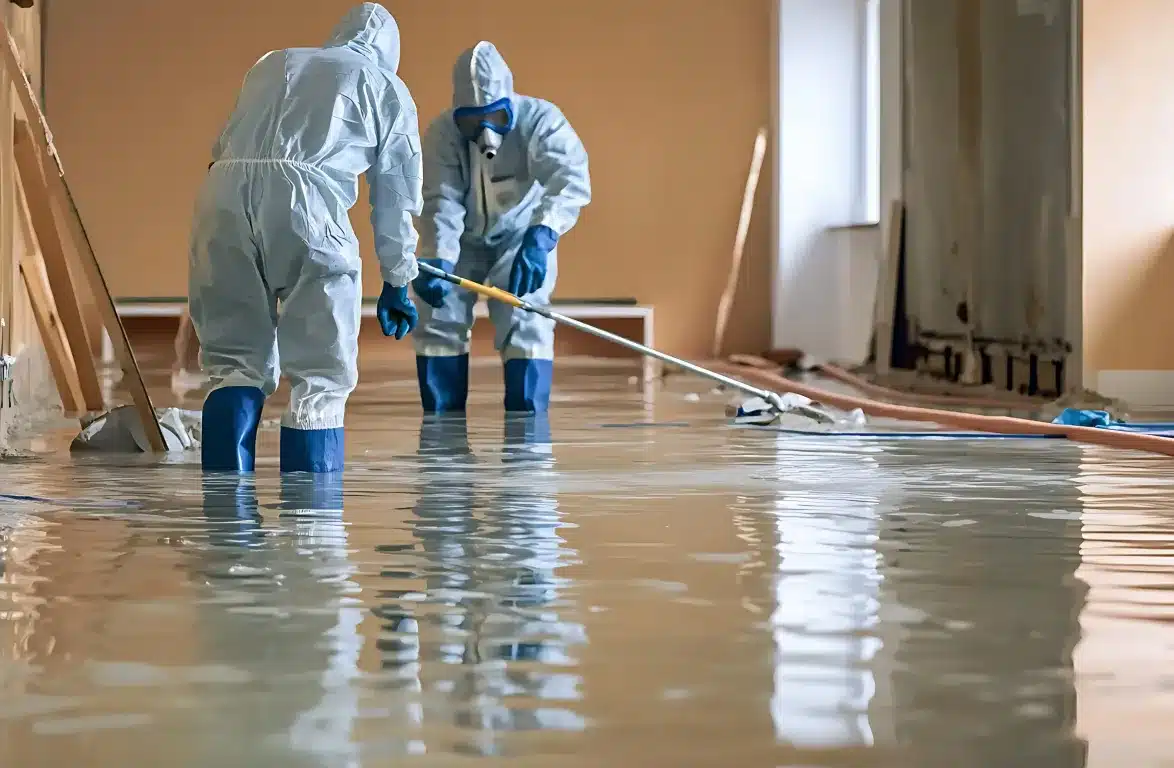
A phone ringing at 3:00 AM usually means just one thing in this line of work, someone is facing a nightmare, and they need you to make it go away immediately. Marketing a biohazard cleanup business calls for a mindset that is worlds apart from selling plumbing services or landscaping packages. You are dealing in trauma, urgency, and absolute discretion.
Your potential clients aren’t casually browsing for the best deal, they are frantic, often in a state of shock, and they need a solution right this second. Your success hinges on being the very first number they see and the voice of calm, capable authority they hear when you answer.
Key Notes
- Google Ads offer the fastest route to generating leads because the search intent is so high.
- Local SEO strategies are responsible for capturing nearly half of all relevant search traffic.
- Building real networks with first responders significantly lowers your long-term acquisition costs.
- Your website speed often determines whether a distressed user calls you or bounces to a competitor.
- Industry-specific directories tend to outperform general, catch-all lead platforms.
- Market demand is on a steady rise due to stricter health and safety standards.
- Biohazard cleanup provides recession-resistant revenue streams that remain stable in any economy.
Understanding the Growing Demand for Biohazard Cleanup
The necessity for specialized cleaning services is expanding at a rapid pace. Global awareness regarding infectious diseases and hygiene standards has shifted permanently, likely for good. Data from Grand View Research indicates the global specialty cleaning services market was valued at roughly USD 89.6 billion in 2022. Projections suggest this market is on track to reach approximately $136 billion by 2030, growing at a CAGR of roughly 6%.
Biohazard remediation, frequently referred to as CTS Decon (Crime and Trauma Scene Decontamination), is a different beast entirely from general janitorial work. It is an essential, emergency-based service that tends to withstand economic downturns. People require these services regardless of what inflation is doing or how the stock market is performing.
This industry also maintains a naturally high barrier to entry. Operators must strictly adhere to OSHA bloodborne pathogen standards, utilize specialized PPE, and secure proper waste disposal permits. These rigorous requirements effectively filter out the low-quality competition that is so common in standard cleaning sectors.
Profitability and Market Viability
The financial potential in this sector remains incredibly high for businesses that are qualified to do the work. Average jobs can range anywhere from $2,500 to $25,000 depending on the severity of the situation. An unattended death requires a completely different set of resources than tear gas remediation or a hoarding cleanup project. You should leverage this market data in your investor pitch decks or on your ‘About Us’ pages to demonstrate the long-term viability of your business. The infectious disease cleaning segment specifically holds a significant market share right now, driven largely by post-pandemic hygiene expectations.

Mastering Google Ads for Immediate Leads
Pay-Per-Click (PPC) is arguably the most effective method to generate leads for emergency services. While biohazard keywords do carry high Cost-Per-Clicks (CPC), the user intent fully justifies the expense. A person typing ‘suicide cleanup near me’ into a search engine has an immediate, undeniable need that cannot wait.
WordStream data shows the average conversion rate for industrial services in Google Ads is sitting at approximately 5-6%. However, emergency services often see much higher rates when utilizing Call-Only ads. These ads bypass the website entirely and connect the user directly to your dispatch team. Customers in trauma situations do not want to fill out a contact form or wait for an email. They need to hear a human voice.
You must manage negative keywords aggressively to prevent wasted ad spend on irrelevant traffic. Be sure to exclude terms like ‘movie prop blood,’ ‘Halloween cleanup,’ or ‘jobs/employment.’ You want clients, not job seekers or prop masters. CPC for terms like ‘crime scene cleanup’ or ‘water damage’ can range from $15 to $50+ per click depending on how competitive your metro area is.
Tactical Campaign Settings
Adjusting specific settings can drastically improve how your campaign performs,
- Run your ads 24/7. Accidents and unattended deaths frequently occur or are discovered well outside standard business hours.
- Target your ads specifically to radiuses around hospitals, police stations, or high-density residential areas where incidents are more likely.
- Use tools like Optmyzr to automate bid adjustments based on real-time performance.
- Use SpyFu to keep a close eye on the keywords your competitors are bidding on so you can stay ahead.
Dominating Local Search Results
The Local Pack,that map and the three business listings you see at the top of Google,captures the vast majority of local intent clicks. While verification for Service Area Businesses (SABs) can be tricky, it is absolutely necessary. Video verification is quickly becoming the standard, so be prepared for that.
According to HubSpot, 46% of all Google searches have local intent. If you aren’t visible in that map pack, you are effectively invisible to nearly half the market. Think with Google reports that 88% of searches for local businesses on a mobile device result in a call or visit within 24 hours.
Consistency is vital here. Your Name, Address, and Phone number (N.A.P.) must be identical across all directories like Yelp, YellowPages, and the BBB. In this industry, your reviews should focus on compassion, discretion, and speed rather than just price, as those are the traits clients value most.
Profile Optimization Steps
Optimizing your Google Business Profile requires taking specific, actionable steps,
- Set a clear service radius (e.g., 50 miles). Do not display a home address if you run the business from your house, or Google will likely suspend the listing.
- Businesses with photos on their profiles receive 42% more requests for driving directions and 35% more click-throughs than those without.
- Post weekly updates about safety tips or anonymized successful cleanups to keep the profile looking active and engaged.
- Use BrightLocal for citation tracking and Whitespark for managing your local SEO efforts.
Building Referral Networks with First Responders
Referrals provide the highest quality leads with the lowest acquisition cost once you have built the initial relationship. Your target allies include coroners, medical examiners, police detectives, victim services units, funeral directors, and insurance adjusters.
Adopt the ‘Helpers Strategy’ when talking to them. Approach these sources not as a salesperson looking for a gig, but as a solution to their problem. You are there to help them close the case or clear the property faster. Insurance adjusters are key gatekeepers, as insurance covers approximately 75-90% of biohazard cleanup costs depending on the policy. Getting on Third Party Administrator (TPA) vendor lists is difficult, but it guarantees volume.
Effective Networking Tactics
Move beyond handing out standard business cards with these methods,
- Leave packets containing grief counseling numbers, tissues, and your brochure for police to give to victims’ families at the scene.
- Offer free Continuing Education classes for insurance agents. This gets you face time with adjusters who actually need these credits.
- Use software like Salesforce or HubSpot to track every touchpoint and follow-up so no relationship goes cold.
Optimizing Website UX for High-Stress Users
Visitors to biohazard websites are often in a state of ‘cognitive tunneling’ due to trauma. They simply cannot process complex menus or slow load times. Your website must load instantly and offer a clear solution,a phone number,within 3 seconds.
Think with Google data showing the probability of a bounce increases 32% as page load time goes from just 1 second to 3 seconds. Furthermore, 57% of internet users say they won’t recommend a business with a poorly designed website on mobile.
Visuals matter immensely. Avoid gore at all costs. Use implied cleanup images, such as technicians in Hazmat suits, clean vans, or sparkling after-shots. Gore increases bounce rates and distresses the user further. Trust signals like OSHA compliance badges, IICRC certifications, and BBB accreditation must be visible immediately to instill confidence.
Critical Design Features
Your site needs specific functionality if you want it to convert,
- Ensure a clickable phone number follows the user as they scroll down the page so they never have to search for it.
- Focus entirely on the Call-To-Action (CTA). Brochure websites fail here, you need a site designed specifically to generate calls.
- Use Google PageSpeed Insights to check load times and Hotjar heatmaps to see exactly where users are clicking.
Leveraging Industry Directories and Lead Sellers
Owning your SEO is always superior, but third-party lead sellers can bridge the gap for new businesses starting out. You must understand the difference between exclusive and shared leads. Shared leads go to 3-5 companies and are cheaper, but they require ‘speed-to-lead’,meaning you need to call within 5 minutes. Exclusive leads cost more but convert at a much higher rate.
General directories like Yelp are often less effective than industry-specific ones. Platforms like Thumbtack work well for hoarding or junk removal leads. Angi (formerly Angie’s List) offers high volume but mixed quality. 1-800-BOARDUP utilizes a franchise model focusing on securing property, which often leads directly to bio work.
Managing Lead Costs
Track your Cost Per Acquisition (CPA) closely. If a lead costs $100 but the job nets you $5,000, the ROI is perfectly acceptable. Be aware of dispute processes on Pay Per Lead services. If you receive a lead for a service you don’t offer, such as mold remediation instead of blood cleanup, you must dispute it immediately to get that credit back.
Generating leads for biohazard cleanup requires precision, speed, and deep empathy. You are marketing to people in their darkest moments, and your digital presence must reflect reliability and immediate support. By combining high-intent Google Ads, local visibility, and strong referral networks, you build a pipeline that sustains your business while serving your community when they need it most.
At Aziel Digital, we specialize in blue-collar marketing. We understand the unique pressures of the restoration industry. From SEO and web design to managing your Google Ads, we build the digital infrastructure you need so you can focus on the job. Contact us today to start getting the leads your business deserves.
Frequently Asked Questions
How much does biohazard cleanup cost per hour?
Most companies typically do not charge a flat hourly rate for the entire project. Instead, they use a line-item pricing model (Xactimate is the industry standard) that factors in labor, chemicals, PPE disposal, and equipment usage. Labor rates typically range from $125 to $300 per hour per technician, depending on the hazard level involved (e.g., bloodborne pathogens vs. chemical spills).
This rate reflects the high risk, specialized training (OSHA), and medical monitoring required for technicians.Homeowners often pay only their deductible, as comprehensive homeowner policies frequently cover these costs. Marketing should focus on your ability to handle the insurance claim directly, significantly reducing the financial stress on the client.
Does homeowners insurance cover crime scene cleanup?
Yes, in most cases, standard homeowners insurance policies cover the cost of cleaning up after a trauma, crime, or unattended death under ‘dwelling’ or ‘other structures’ coverage. Coverage usually extends to the remediation of the structure itself but may have limits on personal property replacement. Intentional acts by the policyholder are often excluded.
Restoration businesses should market their ability to bill insurance directly (‘direct billing’). This removes the burden of payment from the grieving family and ensures the business is paid according to industry-standard Xactimate pricing.
How do I get on insurance vendor lists for restoration?
Access to major insurance carriers is largely controlled by TPAs like Sedgwick or Alacrity. You must apply to these networks, which vet contractors for financial stability, proper licensing, and background checks. Acceptance requires using specific software (like Xactimate and Symbility) and meeting strict KPIs regarding your response time and documentation.
While waiting for TPA approval, build direct relationships with local agents. They often have the discretion to refer clients to a specific vendor, even outside the main vendor list, especially during high-demand periods.
What qualifications do you need to start a biohazard cleaning business?
There is no single ‘biohazard business license,’ but you must comply with OSHA’s Bloodborne Pathogen Standard (29 CFR 1910.1030). This requires having a written exposure control plan and ensuring hepatitis B vaccinations for your staff.
Technicians should hold certifications from organizations like the IICRC (Institute of Inspection, Cleaning and Restoration Certification) or ABRA (American Bio Recovery Association). You need specific permits for transporting and disposing of medical waste. This varies by state and local municipality, and failure to comply can result in massive fines.
Is crime scene cleanup a profitable business?
Yes, the margins are generally higher than standard cleaning due to the specialized nature of the work and the risk involved. Jobs can range from $2,500 to over $25,000. The market is recession-resistant. Unattended deaths, accidents, and crimes occur regardless of the economic climate, ensuring a steady baseline of demand.
While revenue is high, so are operational costs (insurance, specialized equipment, waste disposal fees). Profitability depends on efficient claims management and maintaining a steady flow of leads through aggressive marketing.
How do I get contracts with police for biohazard cleanup?
Police departments and coroners are government entities. You must register as a government contractor with your city, county, or state procurement office to be eligible for direct contracts. Many departments operate a rotation list for cleanup services.
To get on this list, you need to visit the department’s Victim Services Unit or the Coroner’s office personally, presenting your credentials and insurance. Don’t just ask for work. Provide them with ‘compassion kits’ (water, tissues, resource pamphlets) they can give to victims. This establishes you as a supportive partner rather than just a vendor.
What is the difference between hoarding cleanup and biohazard cleaning?
Biohazard cleaning deals specifically with biological matter (blood, bodily fluids) and pathogens. Hoarding cleanup focuses on the removal of excessive clutter, trash, and debris, though it often overlaps with biohazards (mold, animal waste). Hoarding is a recognized mental health disorder.
The cleanup process requires a slower, more collaborative approach with the client to minimize anxiety, whereas biohazard cleanup is usually an emergency remediation of a specific event. You should market these services separately. Hoarding leads often come from family members or social services, while biohazard leads come from emergency searches or first responders.
How much do crime scene cleaners make per job?
Technicians are typically paid an hourly rate ($25-$80/hr) plus potentially a commission or bonus per job, depending on the difficulty and hazard level. The business revenue per job varies wildly. A simple vehicle cleanup might be $500-$1,500, while a decomposed body in a home could command $10,000-$20,000 due to structural remediation needs.
Successful companies balance high-volume, lower-value jobs (like unattended deaths discovered early) with lower-volume, high-value complex restorations.
What are the best lead generation companies for restoration services?
Specialized networks like Restoration Local or 1-800-BOARDUP tend to provide higher quality leads than generalist platforms because they vet the user’s intent more thoroughly.
Thumbtack and Angi can provide volume, particularly for hoarding or mold jobs, but the conversion rate is often lower, and competition is higher. The ‘best’ company is defined by your Cost Per Acquisition (CPA). You must track which source delivers jobs that actually close, not just phone calls.
Do I need a special license to transport biohazard waste?
Yes, in most jurisdictions, you need a trauma waste transporter permit to move biohazardous material from the job site to a disposal facility. You are legally required to maintain a chain-of-custody manifest that tracks the waste from the point of generation to its final destruction.
Failing to secure these permits can destroy your business. If waste traced back to your company is found illegally dumped, you face federal prosecution and massive fines.
What keywords should I use for biohazard cleanup PPC?
Focus on ’emergency,’ ‘suicide cleanup,’ ‘unattended death cleanup,’ and ‘blood cleanup service.’ These indicate an immediate need. Combine service keywords with your city or county names (e.g., ‘crime scene cleaners Chicago,’ ‘biohazard removal [County Name]’).
You must rigorously exclude terms that waste money, such as ‘jobs,’ ‘salary,’ ‘training,’ ‘movie blood,’ and ‘Halloween.’
How do I market my cleaning business to funeral homes?
Funeral directors value discretion above all else. Market your services as an extension of their care for the family, ensuring the home is safe for relatives to enter. Provide them with brochures that explain the insurance process.
Funeral directors want to help families financially, showing them that insurance covers your service makes them more likely to refer you. Visit regularly but briefly. Drop off small, useful items (pens, notepads) and remind them you are available 24/7. Reliability builds the trust necessary for them to hand a grieving family your card.