


A seven-figure custom home doesn’t get built on a weak foundation. Neither does a multi-million dollar design-build firm. In today’s market, your foundation isn’t just concrete and rebar, it’s your digital visibility. Your ability to show up when a high-net-worth client searches for “luxury home builder near me” is the modern equivalent of securing the best lot in the most exclusive neighborhood.
It’s the single most important factor that determines whether you attract a steady stream of pre-qualified, high-margin projects or spend your days fielding calls from tire-kickers and low-ballers.
This is the definitive guide to Search Engine Optimization (SEO) specifically for design-build firms and custom home builders. It’s not a collection of abstract theories or marketing fluff. It is a step-by-step blueprint for building a predictable, scalable lead generation engine that works for you 24/7.
We will cover everything from dominating your local map results to turning your project portfolio into an SEO powerhouse that closes deals before you even get on the phone.
This guide will give you the clarity and confidence to invest in an SEO strategy that builds a true asset for your business, an asset that appreciates over time and delivers a measurable return on your investment.
Chapter 1: Why SEO Is Non-Negotiable For Design-Build Firm Growth
The decision to invest in a design-build project is one of the most significant financial commitments a family or business will ever make. These are not impulse buys. They are the result of months, sometimes years, of careful research, planning, and saving. The firms that win these high-value projects are the ones that are present, visible, and trusted during that critical research phase.
Today, that research phase happens almost exclusively online. SEO isn’t just another marketing channel, it’s the system for ensuring your firm is the clear and obvious answer when your ideal client starts looking for a solution.
The New Digital Job Site
The way clients find and vet design-build firms has fundamentally changed. The Yellow Pages are a relic. Referrals are still valuable, but even a strong referral is now verified with a quick Google search. The digital landscape is the new job site where initial connections are made and trust is first established. The numbers paint a clear picture.
According to FMI’s Design-Build Utilization Study released in 2024, design-build will represent over 47% of U.S. construction spending by 2028, totaling more than $1.1 trillion over the next five years. The competition for this massive prize pool is fierce, and the battle is being won online.
Modern client behavior is digital-first. A staggering 97% of consumers use the internet to find local businesses. This behavior is even more pronounced for high-consideration services. No one is flipping through a magazine to find a builder for a million-dollar renovation. They are on their phone or laptop, typing in specific, high-intent phrases.
Think with Google reports that searches containing “near me” have grown by over 500% in recent years. Your potential clients aren’t just searching for “home builder”, they are searching for “design-build firm in Ponte Vedra Beach” or “luxury kitchen remodel in Jacksonville.”
If your firm doesn’t appear at the top of these specific, localized search results, you are effectively invisible to the most motivated buyers in your market.
Attracting Pre-Qualified Leads, Not Tire-Kickers
One of the greatest challenges for any design-build firm is lead quality. Wasting hours on sales calls and site visits with prospects who aren’t a good fit, either financially or in terms of project scope, is a massive drain on resources.
This is where SEO creates a powerful strategic advantage. It acts as a natural filter, attracting prospects who are actively searching for the exact, high-value services you provide.
The data on lead quality is compelling. A HubSpot study found that SEO leads have a 14.6% close rate, while outbound leads from channels like direct mail or cold calling have a close rate of just 1.7%. The difference is intent. A person who sees your truck wrap or billboard may not be in the market for a renovation for years, if ever.
But a person who searches “whole home renovation contractor Jacksonville” has a specific need right now. They are educated, motivated, and much further along in the buying process. Your firm shows up as the solution to their problem at the exact moment they are looking for it.
This alignment of intent means you spend less time educating and more time consulting with prospects who are already qualified and ready to move forward. Being on the first page of Google also acts as a powerful form of social proof, a third-party endorsement that builds credibility before they even click on your website.
SEO as a Balance Sheet Asset
Many firm owners view marketing as an expense. This is a mistake. A well-executed SEO strategy is an investment in a valuable business asset. It’s crucial to understand the difference between renting and owning your online visibility.
Paid advertising, like Google Ads (PPC), is a form of renting. You pay for every click, and the moment you turn off the ad spend, your visibility and your leads disappear completely.
In competitive markets, the cost-per-click for valuable terms like “custom home builder” can easily exceed $50 or even $100.MWhile a service like Aziel Digital’s PPC management can be effective for short-term goals, it doesn’t build long-term value.
SEO, on the other hand, is about owning your visibility. The work you do today, optimizing a project page, earning a backlink from a local magazine, publishing an expert guide to the design-build process, continues to pay dividends for years to come.
That project page you optimized three years ago can still rank and generate six-figure leads today, with no additional cost per click. This creates a durable competitive advantage, a “moat” around your brand in the search results that becomes harder and harder for competitors to overcome.
The return on investment compounds over time, making it one of the most financially sound growth strategies a design-build firm can pursue. It’s a core component of our holistic Growth Bundles for this very reason.
With the “why” firmly established, the next step is to understand the “how.” We’ll now break down the core components of a successful design-build SEO strategy into three distinct pillars.
Chapter 2: The SEO Framework For Design-Build
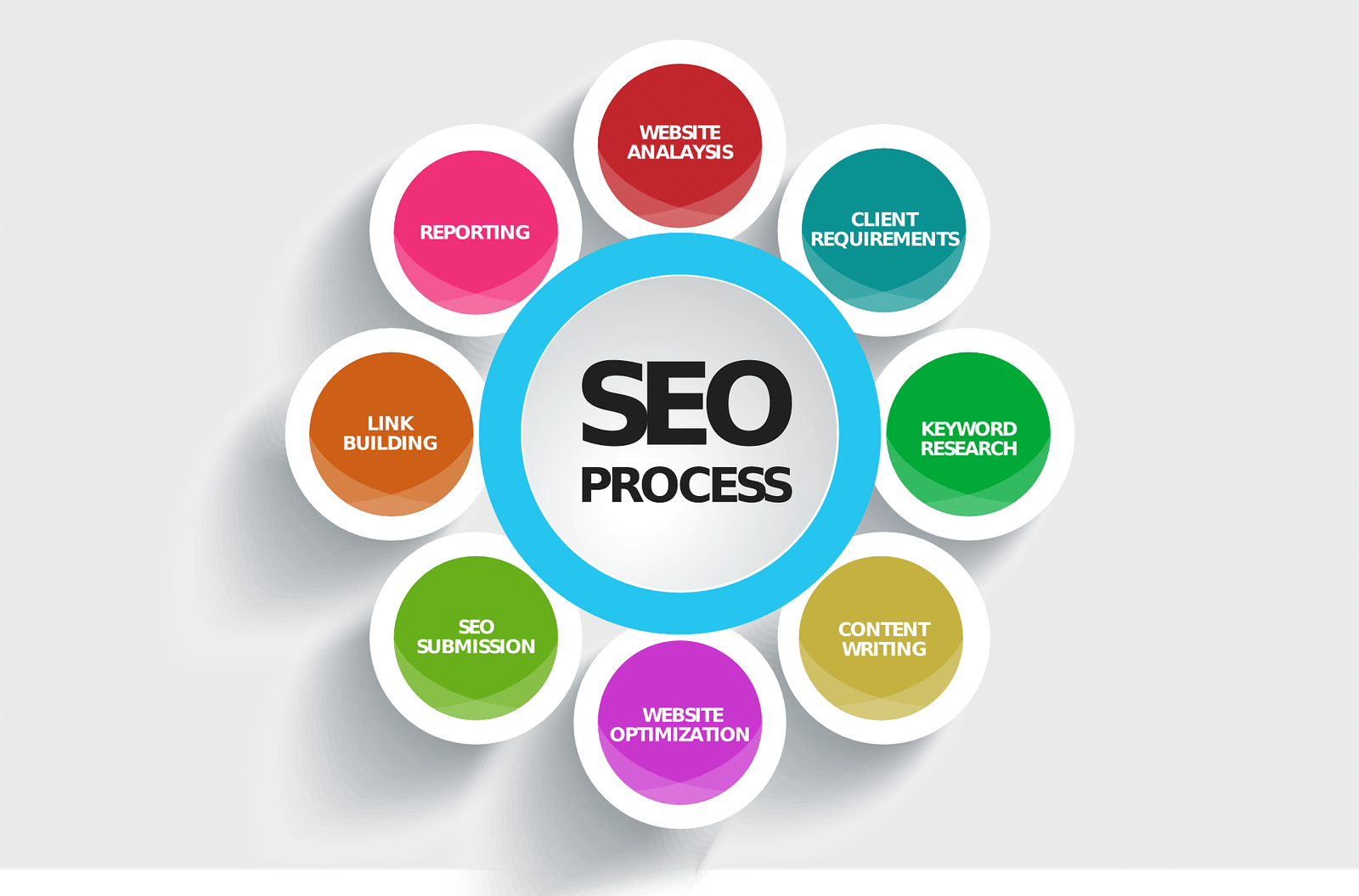
SEO can seem overwhelmingly complex, a world of algorithms, acronyms, and technical details. But at its core, a successful strategy for a design-build firm rests on three simple, interconnected pillars.
Think of it like building a custom home. You need a solid foundation (Local SEO), a well-designed and functional structure (On-Page SEO), and a stellar reputation in the community (Off-Page SEO). Neglect any one of these, and the entire structure is compromised.
Understanding how these three pillars work together provides the strategic framework for everything that follows in this guide.
Pillar 1: Local SEO
For a design-build firm, nothing is more important than being visible to potential clients in your specific service area. Local SEO is the practice of optimizing your entire digital presence to rank at the top when a prospect in your city, county, or even a specific affluent neighborhood searches for the services you offer.
This is the absolute bedrock of your SEO success. According to Google, 46% of all searches have local intent, and a BrightLocal survey reveals that 87% of consumers used Google to find local businesses in the past year.
The core components of Local SEO include your Google Business Profile (GBP), your visibility in the Google “Local Pack” or “Map Pack,” and the consistency of your Name, Address, and Phone Number (NAP) across the web. Google’s local ranking algorithm primarily considers three factors:
- Proximity: How close is your business to the person searching?
- Relevance: How well do your services and business categories match the search query?
- Prominence: What is your reputation and authority in the local market? This is determined by factors like online reviews, backlinks from other local websites, and mentions in the local press.
Mastering Local SEO means that when someone searches “design-build firm near me,” your business is the first and most trusted result they see.
Pillar 2: On-Page SEO
If Local SEO gets clients to your digital front door, On-Page SEO is what convinces them to come inside and stay. On-Page SEO involves optimizing your website’s actual content, structure, and code to clearly communicate your expertise to both potential clients and search engines.
It’s about turning your website from a passive digital brochure into an active, 24/7 sales and marketing tool.
The core components here are strategic keyword research, creating high-quality content, and technical optimizations like title tags, meta descriptions, header tags (H1, H2), and image optimization. For a design-build firm, a critical aspect of On-Page SEO is demonstrating your E-E-A-T: Experience, Expertise, Authoritativeness, and Trustworthiness.
This is done through highly detailed project portfolio pages, in-depth articles about your process, and clear, professional web design. For example, an unoptimized project page might just have a gallery of photos.
An optimized page will have a title like “Modern Farmhouse Custom Home Build in Jacksonville, FL,” a detailed project narrative mentioning specific materials like “reclaimed wood beams” and “quartz countertops,” and high-resolution images with descriptive alt text that helps Google understand what the image is about.
Pillar 3: Off-Page SEO
Off-Page SEO encompasses all the actions taken outside of your own website to improve your rankings and digital reputation. This pillar is all about building authority and earning “votes of confidence” from other reputable sources on the internet. The most important of these votes are backlinks, links from other websites back to yours.
Core components of Off-Page SEO include earning backlinks, managing your brand mentions, securing listings in important industry directories, and engaging in digital public relations. A study by Ahrefs found a clear and consistent correlation between the number of backlinks a page has from unique websites and the amount of organic traffic it receives.
However, quality trumps quantity. For a design-build firm, a single backlink from a feature story in a publication like Architectural Digest or the local lifestyle magazine is infinitely more valuable than hundreds of links from low-quality, spammy directories.
This pillar solidifies your position as the market leader, signaling to Google and to clients that you are the most trusted and authoritative choice.
These three pillars form the foundation of the comprehensive SEO services we provide. With this strategic framework in mind, we can now dive deep into the first and most critical pillar: mastering your local geographic footprint.
Chapter 3: A Deep Dive Into Local SEO For Design-Build Firms
For a design-build firm, winning at SEO starts with winning your local market. When a high-value client decides to build their dream home or undertake a major renovation, their search begins locally.
Your ability to appear prominently in the Google “Map Pack”, the box with three local business listings that appears at the top of the search results, is the single most impactful factor in generating a consistent flow of local leads.
This chapter provides a tactical, step-by-step guide to optimizing the most important local SEO asset you have, your Google Business Profile.
The Ultimate Checklist for Ranking in the Local Pack
Think of your Google Business Profile (GBP) as your digital storefront. It’s often the very first impression a potential client has of your firm. A fully optimized profile is non-negotiable for local search visibility. Follow this checklist to ensure your profile is working as hard as possible to attract qualified clients.
Here is a step-by-step process for optimizing your Google Business Profile:
- Claim and Verify Your Profile: If you haven’t already, go to google.com/business and search for your firm’s name. Follow the steps to claim it. Verification is typically done via a postcard mailed to your physical address, but phone or video verification options may be available.
- Select the Right Categories: Your primary category is the most important. Choose “Design-Build Firm,” “Custom Home Builder,” or “Home Builder.” Then, add relevant secondary categories like “General Contractor,” “Kitchen Remodeler,” “Bathroom Remodeler,” and “Architect” to cover the full scope of your services.
- Ensure 100% NAP Consistency: Your Name, Address, and Phone Number (NAP) must be absolutely identical across your GBP, your website, and all other online directories. A Moz study has shown that inconsistencies in NAP information are a major negative ranking factor. Even a small difference like “St.” vs. “Street” can cause issues.
- Define Your Service Areas: In your profile, you can specify the cities, zip codes, or counties you serve. Be realistic and specific. This helps Google show your profile to the most relevant local searchers.
- Build Out Your Services List: Use the “Services” feature to detail every single service you offer. Go beyond the predefined options and add custom services with detailed descriptions. For example, create entries for “Whole Home Renovations,” “Second Story Additions,” “Accessory Dwelling Unit (ADU) Construction,” and “Historic Home Restoration.”
- Implement a Robust Photo and Video Strategy: Businesses with photos on their GBP receive 42% more requests for driving directions and 35% more clicks to their websites, according to Google data. Upload high-quality, professionally shot photos of your completed projects (both before and after), your team, and your process. Geo-tag your photos with the location where they were taken to provide an extra local signal to Google.
- Use Google Posts Weekly: Google Posts are like mini-blog posts or social media updates that appear directly on your GBP. Use them at least once a week to showcase a recently completed project, highlight a positive client review, or share a link to a new blog post on your website. This signals to Google that your business is active and engaged.
- Proactively Manage the Q&A Section: The Questions & Answers section is a powerful but often overlooked feature. Proactively populate it yourself by asking and answering the most common questions you get from clients. This allows you to control the narrative and provide valuable information upfront, which can help your profile rank for more specific long-tail searches.
Local Citations and Reputation Management
While your GBP is the centerpiece, a strong local presence requires more. You need to build a consistent and reputable footprint across the web through local citations and a proactive reputation management strategy.
A citation is any online mention of your firm’s Name, Address, and Phone number (NAP). Google uses these citations across the web to verify the legitimacy and location of your business. Consistency is key. Every citation should perfectly match the NAP on your GBP.
Here are some of the most important places to build citations:
- Industry-Specific Directories: Creating a detailed profile on sites like Houzz, BuildZoom, Porch, and the Design-Build Institute of America (DBIA) is critical. These are highly relevant and trusted sources in Google’s eyes.
- Top-Tier Data Aggregators: Services like Data Axle and Foursquare feed business information to hundreds of other online directories and apps. Ensuring your data is correct with them is a highly efficient way to build a wide citation footprint.
- General Local Directories: Don’t neglect major platforms like Yelp, Apple Maps, and Bing Places. A complete and consistent profile on these sites is still an important local ranking signal.
Beyond citations, your online reputation, specifically your reviews, is a massive factor in both rankings and conversions. A BrightLocal survey found that 98% of consumers read online reviews for local businesses. The same study notes that a business needs an average of 40 positive reviews before consumers will trust its star rating.
You need a simple, systematic process for requesting reviews from every happy client after a project is completed. A simple email or text message with a direct link to your GBP review form can work wonders. Furthermore, it is essential to respond to all reviews, both positive and negative.
A professional and empathetic response to a negative review can often build more trust than a dozen positive ones. This level of management is a key part of our comprehensive Growth Bundles.
With a dominant local presence established, the next step is to ensure that when clients click from your Google profile to your website, they find a compelling experience that converts them from prospects into paying clients.

Chapter 4: A Content And On-Page SEO Strategy That Converts
Once you’ve mastered local SEO and are driving traffic from the Google Map Pack, the battle shifts to your website. Your site must do two things perfectly, it must be structured to rank for high-value keywords, and it must be designed to convert sophisticated, high-net-worth clients.
This is where a strategic approach to content and on-page SEO comes in. Your greatest marketing asset is your portfolio of finished work. This chapter shows you how to leverage that asset to create a lead-generation machine.
Keyword Research for High-Value Clients
Effective SEO starts with understanding the exact phrases your ideal clients are typing into Google. The goal isn’t just to get more traffic, it’s to get the right traffic. This means moving beyond generic terms like “contractor” and targeting specific, high-intent keywords that correlate directly to high-margin projects. We can think of these keywords as part of a funnel.
The Keyword Intent Funnel for Design-Build includes:
- Informational (Top of Funnel): Clients in the early research phase. They search for terms like “design build process explained,” “cost to build a custom home in Florida,” or “modern farmhouse kitchen ideas.”
- Commercial (Middle of Funnel): Clients who are comparing their options. They use searches like “best design build firms in Jacksonville,” “custom home builder reviews,” or “[Competitor Firm Name] vs [Your Firm Name].”
- Transactional / Local (Bottom of Funnel): Clients who are ready to take action. Their searches are very specific: “design build firm near me,” “quote for home addition Jacksonville,” or “contact luxury home builder.”
Tools like Semrush and Ahrefs are invaluable for discovering these keywords and analyzing what your competitors are ranking for. A key strategy is hyperlocal targeting.
Instead of just focusing on “Jacksonville,” target affluent neighborhoods and suburbs where your ideal clients live, such as “Ponte Vedra Beach custom home builder” or “San Marco historic home renovation.” This laser-focus attracts the most qualified leads.
Architecting Your Website for Conversions
Your website’s structure must be logical for both users and search engines. This starts with creating dedicated, in-depth service pages for each of your core offerings, e.g., Custom Homes, Major Renovations, Kitchen & Bath Design.
Each page should detail your unique process, showcase relevant project photos, feature service-specific testimonials, and end with a clear Call-To-Action (CTA) like “Schedule a Consultation.”
However, the real powerhouse of your website is your project portfolio. Each completed project should not be just a gallery of images, it must be a detailed case study optimized for search.
Follow this checklist for every project page you create:
- Use an SEO-Friendly URL: The URL should be simple and descriptive, like `yourfirm.com/portfolio/ponte-vedra-beach-custom-home`.
- Write a Compelling Page Title: The title tag is a crucial ranking factor. It should be formatted like this: `Luxury Custom Home Build in Ponte Vedra Beach, FL | [Your Firm Name]`.
- Tell the Project’s Story: Go beyond the basic specs. What was the client’s problem or vision? What unique challenges did you overcome? How did your design-build process deliver a superior result? Weave in semantic keywords naturally, such as “open concept living,” “chef’s kitchen with Wolf appliances,” or “lanai with outdoor kitchen.”
- Optimize All Media: Give your image files descriptive names before you upload them e.g., `modern-kitchen-remodel-jacksonville-fl.jpg`. Use descriptive alt text for every image to help search engines and visually impaired users understand the content.
- Include a Video Walkthrough: A high-quality, 60-90 second video of the finished project can dramatically increase user engagement and the time they spend on your page, both of which are positive ranking signals.
Proving Your E-E-A-T (Experience, Expertise, Authoritativeness, Trust)
Google’s quality guidelines place immense importance on E-E-A-T, especially for industries that fall under the “Your Money or Your Life” (YMYL) category. A multi-hundred-thousand-dollar construction project absolutely qualifies.
Your website content must proactively prove your expertise and build trust. A blog is the perfect platform for this.
Instead of generic posts, focus on topics that answer your clients’ most pressing questions and showcase your deep industry knowledge.
Here are some high-impact blog topic ideas that build trust and rank well:
- Process Explainers: “The Design-Build Process: From First Sketch to Final Walkthrough”
- In-Depth Cost Guides: “How Much Does a Major Kitchen Remodel Cost in Jacksonville? (2026 Data)”
- Material & Trend Guides: “Choosing the Right Countertops: A Comparison of Quartz, Granite, and Marble for Florida Homes”
- Local Zoning/Permitting Guides: “Navigating Building Permits for a Home Addition in Duval County”
To further signal your expertise, create detailed author bio pages for the key principals and designers in your firm. Link to these bios from every blog post they write. This directly tells Google who is providing the expert information, reinforcing your site’s authority and trustworthiness.
This is a tactic we leverage for our clients, like Jesse Tutt, helping them reach over 24,000 website visitors per month by establishing deep topical authority. Now that your website is a finely tuned conversion machine, the next step is to amplify its authority by earning powerful endorsements from other trusted sites across the web.

Chapter 5: Forging High-Authority Backlinks And Digital PR
A perfectly optimized website with incredible content is a great start, but to truly dominate the search results, you need to build authority. In Google’s eyes, authority is primarily measured by the quantity and quality of other websites that link to yours.
These “backlinks” act as votes of confidence, signaling that your firm is a trusted and respected leader in its field. This chapter demystifies the process of off-page SEO, providing actionable strategies for earning the kind of high-quality backlinks that create a durable competitive advantage.
The Blueprint for Local & Industry Link Building
Not all links are created equal. The most valuable links come from websites that are topically relevant to the design-build industry or geographically relevant to your service area. This is where you should focus your efforts.
Start with these powerful and accessible link-building tactics:
- Leverage Local Community Connections: Sponsor a local charity 5K, a youth sports team, or a community arts festival. In almost every case, these organizations will have a sponsors page on their website where they will thank you with a link. These are highly trusted local signals. Joining your local Chamber of Commerce or other business associations will also typically result in a valuable directory link.
- Tap Into Your Supplier & Partner Network: This is one of the most underutilized strategies. You work with dozens of other businesses on every project, architects, engineers, lumber yards, high-end window manufacturers, cabinetry suppliers, and specialty subcontractors. Ask them to add a link to your website from their “Partners” or “Builders We Trust” page. These are hyper-relevant links that carry significant weight.
- Maximize Industry Association Memberships: Ensure your firm has a complete and active profile on the websites of major industry associations like the Design-Build Institute of America (DBIA), the National Association of Home Builders (NAHB), and any state or local builder’s associations. These links directly affirm your industry credentials to Google.
Turning Your Best Projects into High-Authority Media Features
Digital Public Relations (PR) is the process of creating compelling stories around your firm’s work and pitching them to online journalists, bloggers, and publications.
The goal is to earn high-authority backlinks and brand mentions that drive both referral traffic and massive SEO value. One great media feature can be more powerful than hundreds of lesser links.
Follow this “Hero Project PR Playbook” for your next standout build:
- Identify Your “Hero” Project: Choose a recently completed project that has a unique and compelling story. Perhaps it involved overcoming a major engineering challenge, achieving a net-zero energy rating, a stunning historic preservation, or an award-winning design.
- Assemble a Professional Media Kit: Don’t just send a few photos. Create a dedicated package that includes professional architectural photography, a cinematic video walkthrough, a written project narrative detailing the story, and quotes from both the happy client and the lead architect/designer.
- Curate a Targeted Media List: Research and build a list of relevant publications. This should include the real estate editors at local news outlets, editors for regional lifestyle magazines like Jacksonville Magazine, and writers for national architectural and interior design blogs.
- Craft a Personalized Pitch: Write a concise, compelling, and personalized email to each editor. Do not send a generic blast. Explain specifically why this project is a perfect fit for their audience. Make their job easy by providing the link to your full media kit.
Another powerful tool is HARO (Help a Reporter Out), a free service that connects journalists with expert sources. By subscribing to their daily emails, you can monitor requests for quotes on topics related to home design, construction costs, and renovation trends. Providing a valuable quote can often earn you a backlink from a major news or media website.
Guest Posting for Niche Authority
Guest posting involves writing an original, expert article for another relevant website in your industry ecosystem. In exchange for your valuable content, you typically receive an author bio with a link back to your website. This is a win-win, the host site gets great content for their audience, and you get a relevant backlink and exposure to a new audience.
Here are ideal guest posting targets for a design-build firm:
- High-End Real Estate Agent Blogs: Write an article like “5 Key Features Luxury Homebuyers Are Looking For in 2024.”
- Interior Design Blogs: Offer a piece on “How the Design-Build Process Fosters a More Cohesive Interior Vision.”
- Architectural Software Company Blogs: Share your expertise on “Bridging the Gap Between Digital Design and On-Site Reality.”
- Luxury Landscaping Company Blogs: Collaborate on a post titled “Integrating Indoor-Outdoor Living from the Initial Home Design.”
Building this kind of off-page authority takes time and consistent effort, but it’s what separates the market leaders from the rest of the pack. It’s a core part of the Pro and Dominator Growth Bundles we offer at Aziel Digital.
Now, let’s look under the hood at the technical foundation that ensures all this hard work pays off.

Chapter 6: The Technical SEO Foundation For Delimotion Contractors
While content and backlinks are critical, they can be undermined by a poor technical foundation. Technical SEO refers to the “behind-the-scenes” optimizations that make your website easy for search engines to crawl and understand, and fast and easy for users to navigate.
For a design-build firm whose website relies heavily on high-resolution project photos, getting the technical details right is not just important, it’s essential for converting high-value clients and ranking effectively.
Why Site Speed and Core Web Vitals Matter
In the world of high-end design-build, first impressions are everything. A slow-loading website creates a poor first impression and can cost you leads before a prospect ever sees your portfolio.
Google has made page speed a confirmed ranking factor, and they measure it using a set of metrics called Core Web Vitals (CWV).
These metrics are:
- Largest Contentful Paint (LCP): How long it takes for the main content (usually a large image or block of text) on the page to load.
- Interaction to Next Paint (INP): How quickly the page responds to user interactions like clicking a button or tapping a menu.
- Cumulative Layout Shift (CLS): How much the page layout unexpectedly moves around as it loads.
The impact on your business is direct and measurable. A study by Google and SOASTA found that a one-second delay in mobile page load times can impact conversion rates by up to 20%. When a single conversion can be a $500,000 project, a slow website is a costly liability.
The number one cause of slow speeds for design-build websites is large, unoptimized, high-resolution project photos.
To fix this, you must implement actionable solutions like compressing all images before uploading them, using modern, efficient image formats like WebP, and using technology like lazy loading, which only loads images as the user scrolls down the page. You can test your site’s speed using free tools like Google’s PageSpeed Insights or GTmetrix.
The Mobile-First Mandate: Optimizing for Clients on the Go
Google now operates on a “mobile-first indexing” basis. This means it primarily uses the mobile version of your website for ranking and indexing. If your site looks great on a desktop but is slow, clunky, or difficult to use on a smartphone, your rankings will suffer across all devices.
The data confirms this priority. As of 2023, mobile devices generate over 60% of all website traffic worldwide, according to Statista. High-net-worth clients, architects, and business owners are doing their initial research on phones during their lunch break or on their tablets in the evening.
You must test your own website on your phone. Is your phone number a “click-to-call” link? Are your contact forms easy to fill out with a thumb? Can you easily browse through project galleries without pinching and zooming?
A seamless mobile experience is no longer a “nice-to-have”, it is a fundamental requirement for a successful web presence. This is why responsive, mobile-first web design is a cornerstone of our services.
Speaking Google’s Language with Schema Markup
Schema markup is a form of microdata that you can add to your website’s code. It doesn’t change how the page looks to a user, but it acts as a powerful “translator” for search engines. It helps Google understand the context of your content, what your business does, where it’s located, and what services it offers.
This deeper understanding can lead to “rich snippets” in the search results, things like gold star ratings, FAQ dropdowns, and more detailed business information appearing directly on the search page, making your listing more prominent and clickable.
These are the essential schema types every design-build firm should use:
- HomeAndConstructionBusiness : Use this on your contact page to clearly define your business type, address, phone number, hours, and geographic coordinates.
- Review : This markup can be applied to client testimonials on your website to help Google pull your star ratings into the search results.
- FAQPage : If you have a frequently asked questions page, this schema can make your Q&As appear as interactive dropdowns directly in the search results.
- Project or CaseStudy : Use this on your portfolio pages to tell Google that this is a specific project, including details like its location and type.
- ImageObject : This provides more context for your beautiful project photos, which can help them rank in Google Image Search.
You can use Google’s free Rich Results Test tool to check your code and ensure it’s implemented correctly. With a technically sound website as your foundation, you can now confidently move on to the final piece of the puzzle, measuring what truly matters to prove the financial impact of your SEO efforts.
Chapter 7: SEO Analytics For Design-Build Firms
You can’t manage what you don’t measure. For a design-build firm, an investment in SEO is only worthwhile if it contributes directly to the bottom line.
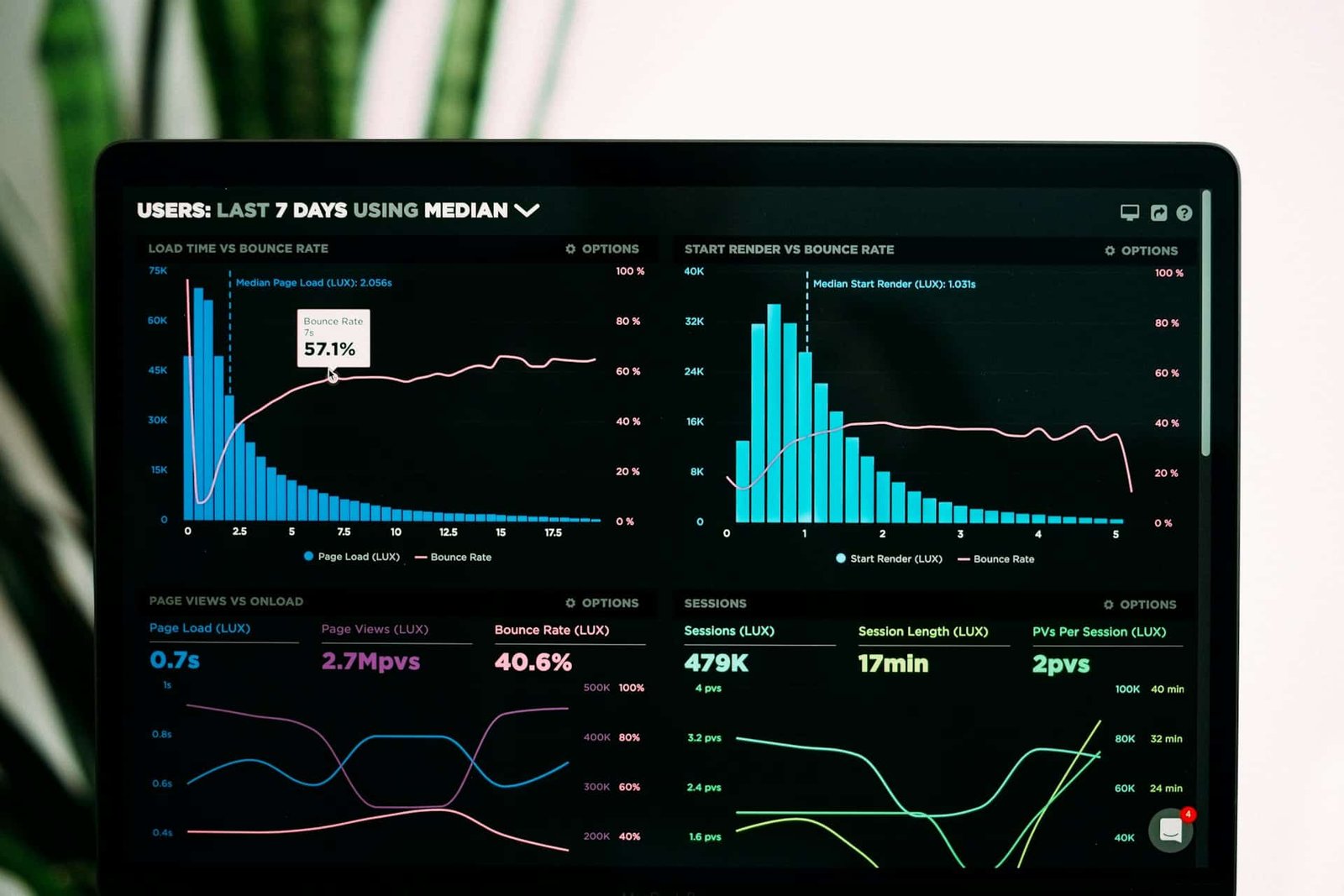
That means moving beyond “vanity metrics” like website traffic and focusing on the Key Performance Indicators (KPIs) that connect your digital marketing efforts to real-world revenue.
This chapter provides a clear guide to the essential tools and metrics you need to track to measure your success and make smarter business decisions.
The KPIs that Connect SEO to Revenue
An increase in website traffic is nice, but it doesn’t pay the bills. The goal is not just more visitors, it’s more qualified leads and signed projects. The single most important KPI is the number of qualified leads generated from organic search.
This can be tracked through contact form submissions and, more accurately, through dynamic call tracking, which assigns a unique phone number to your website visitors who arrive from Google search.
Here are the essential business-critical KPIs you should be tracking every month:
- Local Pack Rankings: Where does your firm rank in the Google Map Pack for your most important “money” keywords, like “custom home builder in [your city]” or “kitchen renovation [your city]”? A top-three position is the goal.
- Keyword Ranking Improvements: Are you gaining visibility for the high-intent keywords identified in your research? Tracking your position for these terms shows progress and reveals new opportunities.
- Google Business Profile Insights: Your GBP dashboard provides a goldmine of data. Track the number of phone calls, website clicks, and requests for driving directions originating directly from your profile. This is often the first and most direct sign of SEO success.
- Branded vs. Non-Branded Search Traffic: Branded search is when someone types your firm’s name into Google. Non-branded is when they search for a service you offer. A healthy increase in non-branded traffic shows your SEO is effectively reaching new clients who haven’t heard of you yet.
- Conversion Rate from Organic Traffic: What percentage of visitors from organic search end up contacting you? This metric helps you understand the quality of your traffic and the effectiveness of your website’s design and messaging. For instance, at Aziel Digital, we helped Hospitals For Humanity achieve an 879.6% increase in organic traffic, but more importantly, a 4,156.8% increase in visits to their donation page, a critical conversion metric.
The Essential SEO Tech Stack for a Modern Design-Build Firm
To track these KPIs effectively, you need the right set of tools. While the world of marketing technology can be vast, a few core platforms provide all the data you need.
This is the essential tech stack for any serious design-build firm:
- Google Analytics 4 (GA4) (Free): This is the ultimate source of truth for your website traffic. It tells you where your visitors are coming from, which pages they visit, and how they behave on your site. It is essential for tracking conversions like form submissions.
- Google Search Console (GSC) (Free): This tool shows you how Google sees your site. It provides data on which keywords are driving impressions and clicks, tracks your average ranking position, and alerts you to any technical issues that could be hurting your performance.
- Semrush or Ahrefs (Paid): These are powerful all-in-one SEO platforms. They are indispensable for in-depth keyword research, tracking your rankings over time, analyzing your competitors’ strategies, and auditing your backlink profile.
- BrightLocal or Whitespark (Paid): These are specialized tools designed for local SEO. They help you manage and build local citations, monitor your rankings in the Map Pack across different zip codes, and manage your online reviews.
- Screaming Frog SEO Spider (Freemium): This is a desktop software that “crawls” your website just like a search engine would. It’s an invaluable tool for conducting in-depth technical SEO audits to find issues like broken links, missing title tags, or duplicate content.
How to Read Reports and Make Smarter Decisions
Collecting data is useless without intelligent interpretation. The real value comes from using these reports to make strategic decisions that grow your business. This is where a true marketing partner, utilizing tools like our AI Contractor Marketing platform, can provide immense value.
Here’s how to turn data into action:
- If organic traffic is increasing but leads are flat, it might indicate a conversion rate problem. The issue may not be your SEO but your website’s messaging, a confusing contact form, or a lack of clear calls-to-action.
- If your rankings in the Local Pack are dropping, it could be a signal that competitors are getting more new reviews. This tells you to re-energize your review request process.
- If a specific blog post about the cost of kitchen remodels is getting a lot of traffic, you should ensure that page has a prominent CTA linking directly to your Kitchen Remodeling service page and consultation form to capture that high-intent traffic.
By focusing on the right metrics, you can clearly see the impact of your SEO investment and make data-driven decisions. The final step is to put this all into action, either by building an in-house team or, more effectively, by choosing the right growth partner.

Chapter 8: Building Your SEO Future
You now have the complete blueprint for a powerful, revenue-generating SEO strategy. The final chapter is about implementation. It addresses the practical business questions of how to budget for success, how to calculate your return on investment, and, most importantly, how to select a competent and trustworthy agency to execute this plan.
Making the right choice here is the difference between a frustrating expense and a transformative investment in your firm’s future.
How to Budget for Design-Build SEO and Calculate Your ROI
SEO is not a one-time project with a fixed cost, it is an ongoing investment in building a valuable business asset. To compete effectively in the design-build market, you need a sustained, professional effort.
Reputable, experienced SEO agencies typically charge between $2,500 and $7,500 per month for a comprehensive local SEO strategy for a business of this scale in a competitive market. Anything significantly less should be a red flag, as it likely means they are cutting corners on crucial elements like high-quality content or strategic link building.
The key is to frame this investment against the lifetime value of a single new client. The math is simple and powerful.
Let’s use a conservative example:
- Average project value: $400,000
- Estimated gross margin: 15%
- Gross profit per project: $60,000
- Annual SEO investment: $36,000 ($3,000/month)
In this scenario, landing just one additional client per year from your SEO efforts would generate a $24,000 profit, delivering a 66% return on your investment. Landing two clients a year would result in a $120,000 gross profit, a 233% ROI.
This is the kind of transformative growth we achieved for clients like Ultimate Reflections Towing, who saw a 97.78% increase in call volume, and Paving Contractors Dublin, who experienced over 300% organic growth. When you attract high-value, pre-qualified leads, the ROI on a professional SEO campaign is undeniable.
The Critical Questions to Ask Any SEO Agency Before Signing
The SEO industry is unfortunately filled with providers who overpromise and underdeliver. It is crucial to vet any potential partner carefully to protect your investment and your time. Use this checklist of critical questions during your sales calls.
Empower yourself with these questions:
- Do you have specific experience and case studies with design-build firms or other high-ticket home service businesses? Generalist agencies don’t understand your unique sales cycle or ideal client profile. Ask for proof.
- What is your process for keyword research and content strategy? They should talk about understanding client intent and mapping keywords to your most profitable services, not just targeting high-volume terms.
- How do you build links for your clients? If they mention a specific number of links per month or talk about private blog networks (PBNs), run. The right answer involves manual outreach, digital PR, and leveraging local and industry connections.
- What KPIs do you focus on in your monthly reports? They should emphasize leads, phone calls, and Map Pack rankings, not just traffic and keyword rankings.
- Who will be my day-to-day point of contact? You want direct access to the strategist working on your account, not just a salesperson.
- What are the terms of the contract? Be wary of long-term contracts (12+ months) that don’t include performance-based clauses or clear exit terms. A confident agency will be willing to prove its value over a shorter initial term.
Watch out for red flags like a guarantee of “#1 rankings,” a lack of transparency about their methods, or a primary focus on technical jargon instead of business outcomes.
A True Growth Partnership
Choosing an SEO partner isn’t just about hiring a vendor to perform a task. It’s about finding a true partner invested in your growth. At Aziel Digital, we specialize in the trades.
We understand the unique challenges and massive opportunities within the design-build industry because it’s the world we live in. We know the difference between a lead for a small repair and a lead for a seven-figure custom home.
Our approach integrates all the elements of this guide, technical precision, authoritative content, and strategic digital PR, into a cohesive system designed to build a predictable lead generation engine for your firm. We don’t just deliver reports, we deliver results that show up on your balance sheet.
Our case studies aren’t just about traffic increases, they’re about tangible business growth, like the 250%+ increase in local organic traffic and 100%+ more calls per month we generated for Hessco Innovations Towing.
If you’re ready to stop competing for scraps and start attracting the high-value projects that define a market leader, then it’s time for a conversation. We invite you to schedule a free, no-obligation consultation with our team. Let’s build your digital foundation together.
Take the first step towards dominating your local market. Schedule your Free Consultation today and let’s discuss how we can build a predictable growth engine for your design-build firm. You can also review our clear pricing and packages on our Growth Bundles page or learn more about our comprehensive SEO services.
How Long Does It Take For SEO To Work For A Design-Build Firm?
SEO is a long-term strategy, not an overnight fix. While you may see some initial positive movement in things like Google Business Profile traffic within the first 60-90 days, it typically takes 6 to 12 months of consistent effort to see significant, business-altering results for competitive, high-value keywords.
This timeline is influenced by factors like your market’s competitiveness, the current state of your website, and the aggressiveness of the strategy. The goal, as confirmed by numerous studies from sources like Ahrefs, is to build compounding momentum that creates a durable asset, not just a short-term spike in traffic.
What Is A Realistic SEO Budget For A Custom Home Builder?
A realistic monthly budget for a professional, results-driven SEO campaign for a custom home builder in a competitive market typically falls between $2,500 and $7,500.
This investment covers the essential components, in-depth strategy, technical SEO, high-quality content creation, like project case studies and expert blog posts, and strategic link-building outreach.
Budgets below this range often indicate that an agency is cutting corners, which can lead to poor results or even penalties. The key is to view this cost relative to the lifetime value of a single client, which can often provide a significant ROI on the annual marketing spend.
Is SEO Better Than Houzz Pro Or Angi For Generating High-Quality Leads?
SEO is fundamentally better because it allows you to build your own asset and control your lead flow, whereas platforms like Houzz Pro and Angi are essentially “rented” lead sources where you compete directly with others on price.
Leads from your own SEO-optimized website are exclusive to you and are often of higher quality because the client has been impressed by your portfolio and expertise.
While third-party platforms can supplement your lead generation, a strong SEO presence, as emphasized by marketing experts at Search Engine Journal, provides a more sustainable and profitable long-term solution by building your brand’s direct authority.
How Do I Rank My Design-Build Firm’s Project Photos On Google Images?
Ranking in Google Images is crucial for a visual business. First, ensure your photos are high-quality but compressed for web speed. Second, use descriptive file names before uploading e.g., `luxury-modern-kitchen-jacksonville.jpg`.
Third, write detailed, keyword-rich alt text for every image describing exactly what is in the photo. Finally, ensure the surrounding text on the page is relevant to the image. Using `ImageObject` schema markup also provides Google with explicit context, increasing your chances of ranking.
What Is The Most Important Part Of SEO For A Local Design-Build Company?
The single most important part is Local SEO, with the Google Business Profile (GBP) at its core. For a business that serves a specific geographic area, ranking in the Google “Map Pack” is the fastest path to attracting high-quality local leads.
According to a BrightLocal survey, businesses in the top 3 of the Map Pack receive the vast majority of clicks. Perfecting your GBP, gathering consistent positive reviews, and building local citations should be the absolute first priority before moving on to broader content and link-building strategies.
Should I List My Prices On My Design-Build Website?
For most design-build firms, listing specific project prices is not advisable due to the highly custom nature of the work. However, you can and should address the topic of cost to build trust and pre-qualify clients.
Creating a detailed blog post or guide titled “How Much Does a Custom Home Cost in [Your City]?” that explains the various factors, e.g., land, materials, finishes, complexity can be an incredibly valuable SEO and sales asset. This positions you as a transparent expert without locking you into a specific price.
How Many Reviews Do I Need On My Google Business Profile?
While there’s no magic number, data from BrightLocal suggests that consumers read an average of 10 reviews before they feel they can trust a business, and a business needs an average of 40 positive online reviews before consumers trust its star rating.
The goal should be a steady, consistent stream of new, positive reviews. Having more high-quality reviews than your top local competitors is a strong ranking signal and a powerful social proof tool that directly impacts your conversion rate.
Can I Use A Virtual Office Address For My Google Business Profile?
No, you should not. Using a virtual office, P.O. box, or co-working space address for your Google Business Profile is a direct violation of Google’s guidelines. A profile must have a physical address where you can receive mail and, if applicable, meet with clients.
Using a non-compliant address risks having your profile suspended, which would be catastrophic for your local visibility. If you work from a home office, you can register it and choose to hide the address from the public while still defining a service area.
How Often Should A Design-Build Firm Be Publishing New Content Or Blogs?
Quality and consistency are more important than sheer quantity. For most design-build firms, publishing one or two high-quality, in-depth blog posts per month is an excellent target.
These should be substantial pieces that answer client questions, showcase expertise, or detail a project. Supplement this with weekly Google Posts on your GBP to signal activity.
This cadence, recommended by content experts at Semrush, is enough to build topical authority and provide fresh content for social media and newsletters without being overwhelming.
What’s The Difference Between Local SEO And National SEO?
Local SEO focuses on improving visibility for searches within a specific geographic area e.g., “design build firm in Jacksonville, FL”. It heavily relies on signals like your Google Business Profile and local citations. National SEO aims to rank for broad keywords regardless of the searcher’s location e.g., “modern farmhouse design ideas”.
While a design-build firm’s primary focus must be local SEO to attract clients, elements of national SEO can be used for blog content to build overall authority and attract a wider audience who may be relocating.
How Do I Track Phone Call Leads That Come From My Website’s SEO?
The most effective method is through dynamic call tracking. This technology places a small piece of code on your website that displays a unique phone number to visitors who arrive from an organic search.
When a client calls that number, the software tracks it as an SEO lead and forwards the call to your main business line. This allows you to attribute phone calls directly to your SEO efforts, providing clear data on your ROI. Platforms like CallRail or WhatConverts are industry standards for this.
What Are Local Citations And Why Do They Matter For My Construction Business?
A local citation is any online mention of your business’s Name, Address, and Phone number (NAP). These can appear in online directories like Yelp, industry-specific sites like Houzz, or on local Chamber of Commerce websites.
Google uses these citations to verify that your business is legitimate and located where you say it is. According to research from Moz, the consistency of your citation data across the web is a critical local search ranking factor.
Should I Focus On SEO Or Google Ads First?
The best strategy often involves both, but the answer depends on your immediate needs. Google Ads (PPC) can generate leads almost instantly, which is valuable if you need to fill your pipeline quickly. However, it’s a “pay-to-play” model.
SEO is a long-term investment that builds a sustainable asset and typically delivers a higher ROI over time. A common strategy is to use Google Ads for immediate lead flow while simultaneously investing in an SEO campaign that will eventually become your primary, most profitable lead source.
What Kind Of ROI Can I Expect From Design-Build SEO?
The ROI for design-build SEO can be exceptionally high due to the high value of each new client. While it varies by market and investment level, it is not uncommon for a well-executed campaign to deliver a return of 5x to 10x the investment or more over a 12-24 month period.
If an average project’s gross profit is $60,000 and your annual SEO investment is $36,000, landing just one extra project per year results in a significant positive ROI. The key is tracking leads to closed deals accurately.
How Can I Find Out What Keywords My Competitors Are Ranking For?
You can use competitive analysis tools like Semrush or Ahrefs. By entering your competitor’s website domain into these platforms, you can generate a report that shows you a comprehensive list of the organic keywords they rank for, their position in Google, and an estimate of how much traffic those keywords drive to their site.
This is an essential part of strategic keyword research, as it helps you identify content gaps and opportunities to outperform them in the search results.
Is It Better To Target My City Or Specific Affluent Neighborhoods With My SEO?
You should do both. Create a primary service page optimized for your main city e.g., “Custom Home Builder in Jacksonville, FL”. Then, create separate, highly specific location pages or project case studies targeting affluent neighborhoods or nearby towns where your ideal clients live e.g., “Ponte Vedra Beach Design-Build Firm”.
This “hyperlocal” strategy, advocated by local marketing experts, allows you to capture both broad city-level searches and the highly-qualified searches from prospects in specific high-value areas.
What Makes A Good Backlink For A Design-Build Firm?
A good backlink has two primary qualities, relevance and authority. A relevant link comes from a website related to your industry or location, for example, a link from an architect’s blog, a high-end appliance supplier, or a local lifestyle magazine.
An authoritative link comes from a well-established, trusted website with a strong reputation. The ultimate backlink for a design-build firm would be a feature in a major publication like Architectural Digest or Dwell, as it carries immense relevance and authority.