


A single high-reach excavator can cost more than a family home, yet the most expensive piece of equipment for many demolition contractors is the one they can’t see, an invisible website.
In a $9.1 billion industry where one phone call can lead to a six-figure commercial contract, being buried on the second page of Google is the digital equivalent of leaving your entire fleet parked in the yard.
This isn’t just about marketing. It’s about claiming your share of a massive and growing market where your next big client isn’t flipping through a phone book, they’re typing “commercial demolition contractor” into their phone.
This guide is the blueprint for turning your website into your most effective salesperson and lead generation machine. It’s a definitive, no-fluff resource designed specifically for demolition and wrecking contractors who are ready to stop relying on inconsistent referrals and start building a predictable pipeline of high-value projects.
We will move beyond vague theories and provide you with the exact, step-by-step strategies needed to dominate your local search results and attract the general contractors, developers, and property owners who sign the checks.
Chapter 1: Why SEO Is Non-Negotiable For Demolition Contractors
Search engine optimization isn’t a line item in your marketing budget, it is the fundamental infrastructure for modern client acquisition. For demolition contractors, the conversation must shift from “what is SEO?” to understanding why it’s the single most critical investment for sustainable growth.
This chapter grounds every strategy that follows in the real-world economics of the demolition industry and the modern search behavior of the general contractors and developers who award the most profitable jobs. It establishes the financial stakes and clarifies exactly how your future clients are making hiring decisions today.
The State Of The Demolition Market
The demolition and wrecking industry is not a small niche, it is a core component of the national construction and development ecosystem. According to industry analysis by IBISWorld, the demolition and wrecking in the United States industry revenue has been increasing at a CAGR of 5.1% over the pst five years to total estimated $11.2 billion in 2025.
This market has seen steady growth, averaging 1.7% per year since 2019, fueled by a constant cycle of urban renewal, critical infrastructure projects, and an increasing focus on environmental remediation.
Understanding where this revenue comes from is key to aiming your marketing efforts effectively. The industry can be broken down into several key segments:
- Building Demolition: This is the largest segment, accounting for 60-70% of all industry revenue. It includes everything from single-family homes to massive commercial and industrial structures.
- Environmental Remediation: A high-growth and often high-margin segment that includes services like asbestos abatement, lead removal, and contaminated soil disposal. This work requires specialized certifications and expertise, making it less competitive.
- Selective Demolition: As adaptive reuse projects become more popular, the demand for precise interior or partial demolition has grown significantly. This requires finesse and is often part of larger renovation contracts.
- Infrastructure Demolition: This segment involves the removal of bridges, highways, and other public works, often tied to large-scale government contracts.
While the average net profit margin for a demolition company sits between 5-8%, this figure can be misleading. A company that relies on low-bid public works or competing for the same small residential jobs will struggle to hit that margin.
A company with a strong inbound lead flow from SEO can be more selective, prioritizing the complex, high-margin commercial and environmental projects. This is the difference between surviving and thriving.
How GCs, Developers, and Homeowners Find Demolition Services Today
The days of winning contracts based solely on a handshake or an ad in a trade publication are over. Today, the search for a demolition contractor begins online, and the data is unequivocal. Research from BrightLocal shows that 80% of consumers use the internet to find local businesses.
For a high-stakes, high-cost service like demolition, you can assume that number is effectively 100% for the initial research and vetting phase. The behavior of commercial clients is even more telling. A study revealed that 71% of B2B buyers, your general contractors and property developers, start their research with a generic, unbranded search.
They aren’t looking for “ABC Demolition”, they’re searching for “commercial demolition contractor Houston TX” or “industrial plant decommissioning services.” If your company doesn’t appear for those terms, you are not even part of the conversation. This is magnified by the power of local search. According to Google, nearly 46% of all searches have local intent. This is the homeowner looking for “house demolition near me” or the project manager searching for “concrete removal Dallas” from their job site trailer.
The critical reality here is the rise of the “zero-click” search. Industry data suggests that over half of all Google searches end without a click to a website because the user found their answer directly in the search results, most often in the Google Map Pack.
This makes an optimized Google Business Profile, which we will cover in-depth later, absolutely essential for survival. Even if you get a word-of-mouth referral, the vetting process immediately moves online. The GC you were referred to will search for your company name. What they find, or don’t find, will determine whether you get the call.
A professional website showcasing complex projects, backed by dozens of positive reviews, can easily win the bid over a referred competitor with a non-existent or unprofessional online presence.
Quantifying Lost Revenue Without SEO
Failing to invest in SEO is not a neutral decision, it’s an active financial loss. Every day your competitors rank above you, they are capturing leads and contracts that could have been yours. We can quantify this lost opportunity with a simple, conservative formula:
(Average Job Value) x (Monthly Search Volume for Your Main Service) x (Potential Click-Through Rate) = Potential Monthly Revenue on the Table
Let’s apply this to a realistic scenario. Suppose you’re a demolition contractor in Dallas, and an average commercial demolition job for you is worth $50,000.
- Average Job Value: $50,000
- Monthly Search Volume: The keyword “commercial demolition dallas” gets approximately 200 searches per month.
- Potential Click-Through Rate: If you rank in the top 3 organic results or in the Map Pack, you could realistically capture 10% of those searches. That’s 20 clicks from highly motivated potential clients visiting your website each month.
If your website is built to convert and converts just 5% of those visitors into a qualified lead, a phone call or a form submission, you generate 1 new commercial lead every single month from that one keyword. If your closing rate is 25%, that’s a new $50,000 contract every four months, or $150,000 a year, from a single search term.
Now, consider the cost of invisibility. If you’re on page two or three of Google, your click-through rate is effectively zero. That lead doesn’t just vanish, it goes directly to the competitor who invested in being visible.
This isn’t a missed opportunity, it’s revenue you are actively ceding to the competition. Now multiply that effect across dozens of high-value keywords like “asbestos abatement,” “industrial wrecking,” and “site clearing.” The financial cost of being invisible quickly runs into the millions.
Understanding these numbers is the first step. The next is to build the machine that captures this opportunity, starting with the blueprint for that machine, the keywords your customers are using every day.

Chapter 2: The Demolition Keyword Blueprint For Attracts High-Value Leads
Having established the immense financial incentive for being visible online, we now shift from the “why” to the “what.” This chapter demystifies keyword research, breaking it down into a repeatable, actionable process designed for demolition contractors.
It’s about learning to speak your customer’s language, not just the industry jargon you use on the job site, but the exact phrases and questions high-value GCs, developers, and homeowners type into Google when they have a structure that needs to come down. This is the foundation upon which your entire SEO strategy is built.
How to Think About Search Intent for Demolition Services
Before you find a single keyword, you must understand the concept of “search intent”, the underlying goal a person has when they perform a search. Grouping keywords by intent is the most important step in building a website that ranks and converts. For a demolition contractor, there are two primary types of intent to focus on.
- Informational Intent: The user is looking for information, not necessarily ready to hire someone today. Their queries often include words like “how much,” “what is,” “guide,” “checklist,” or “cost.” An example is “cost to demolish a 2000 sq ft house.” These keywords are perfect targets for detailed blog posts or resource guides. Trying to rank your main service page for an informational keyword is like trying to hand a contract to someone who just walked in to ask for directions.
- Transactional/Commercial Intent: The user has a problem and is actively looking for a professional to solve it. They are ready to hire. Their queries include commercial modifiers like “contractor,” “company,” “services,” “near me,” or “quote.” An example is “commercial demolition contractor miami.” These keywords have high commercial value and should be the primary targets for your homepage and individual service pages.
Understanding this distinction is crucial. It prevents you from wasting resources trying to make a service page rank for a blog topic, and it ensures that when a high-value prospect lands on your page, the content matches their needs perfectly, leading to more calls and quote requests.
Uncovering Your Core Keywords
Keyword research is a process of starting broad and progressively getting more specific and valuable. Here’s a systematic approach to uncover the keywords that will drive your business forward.
- Start with Seed Keywords: These are the broad, foundational terms that describe your core business. Think like a client. They might search for ‘demolition contractors’, ‘wrecking company’, or ‘excavation services’. These are your starting points.
- Get Specific with Service Keywords: This is where the money is. List every distinct service you offer, especially your high-margin specialties. Think in terms of ‘commercial demolition’, ‘residential demolition’, ‘interior demolition’, ‘concrete removal’, ‘asbestos abatement’, ‘fire damage demolition’, and ‘pool demolition’. Each of these services deserves its own dedicated focus.
- Add Geo-Modifiers for Local Gold: Local search is everything for contractors. Combine your service keywords with every city, county, and significant neighborhood you serve. The formula is simple: [Service] + [Location]. This creates high-intent keywords like ‘house demolition Chicago’, ‘asbestos removal San Diego’, and ‘site clearing contractor in Austin’. Don’t forget the power of proximity-based searches. According to Google data, searches containing “near me” have grown over 200% in recent years, and Google uses the searcher’s location to serve them the most relevant local businesses.
- Find Long-Tail & Question-Based Keywords: These are longer, more specific search phrases that often have lower search volume but a much higher conversion rate. They reveal specific pain points. Examples include ‘do I need a permit for shed demolition in Harris County’ or ‘safest way to remove asbestos siding’. Tools like AnswerThePublic are excellent for discovering the real questions people are asking about your services. These make perfect topics for your blog and FAQ sections.
To find the search volume and difficulty for these terms, you can use tools like Google’s free Keyword Planner, or more advanced paid platforms like Ahrefs and Semrush, which offer deeper competitive insights.
Your own Google Search Console will also show you the terms you are already getting some impressions for, often revealing hidden opportunities.
How to Ethically Steal Your Competitor’s Best Keywords
Your competitors who are already ranking on the first page of Google have done some of the work for you. They’ve likely identified and targeted valuable keywords. Analyzing their strategy is one of the fastest ways to build a powerful keyword list. Here is a simple, ethical process to reverse-engineer their success.
- Step 1: Identify Your True Competitors: Open a private browser window and search for your top 5-10 service and location keywords e.g., “industrial demolition Phoenix”. Note the top 3-5 companies that consistently appear in the organic search results and the map pack. These are your digital competitors.
- Step 2: Use an SEO Tool: Take the website address (URL) of one of these competitors and enter it into an SEO tool like Semrush or Ahrefs. These platforms have features specifically for competitive analysis.
- Step 3: Analyze Their Organic Keywords Report: avigate to the report that shows you all the keywords their website is ranking for. You can see the keyword, their rank, and the estimated monthly traffic it brings them.
- Step 4: Find Their “Money” Keywords: Filter this list to show only the keywords where they rank in the top 10 positions. Look for the transactional, service-specific terms that are clearly driving leads, such as ‘industrial plant decommissioning’, ‘selective demolition for retail space’, or ‘fire damage clean up and demolition’. These are proven winners.
- Step 5: Identify Content Gaps: What are they ranking for that you aren’t? Perhaps they have a detailed service page for ‘bridge demolition’ or a comprehensive guide to ‘LEED certified material recycling’, and you don’t. These gaps represent your lowest-hanging fruit, opportunities to create better content and capture traffic they currently own.
Mapping Keywords to Your Website Pages for Maximum Impact
Once you have your list of valuable keywords, the final step is to assign them to specific pages on your website. This practice, known as keyword mapping, is crucial for signaling relevance to Google. The golden rule is one primary keyword target per page.
Trying to make one page rank for ‘commercial demolition’, ‘residential demolition’, and ‘asbestos abatement’ at the same time is a recipe for ranking for none of them. A clear, logical map organizes your efforts and tells Google exactly what each page is about.
Here is an example of what a basic keyword map for a demolition contractor’s website should look like:
| Website Page | Primary Keyword Target | Secondary Keyword Targets |
|---|---|---|
| Homepage | demolition contractors [city] | wrecking company [city], excavation services [city] |
| Commercial Demolition Service Page | commercial demolition [city] | industrial demolition services, building teardown |
| Residential Demolition Service Page | residential demolition [city] | house demolition contractor, garage demolition |
| Asbestos Abatement Service Page | asbestos abatement services [city] | asbestos removal company, certified asbestos testing |
| Blog Post | how much does it cost to demolish a house | house demolition cost calculator, demolition permit fees |
With this keyword blueprint in hand, you have the architectural plans for your website. The next chapter will show you how to start construction, building out each page with content that satisfies both Google and your future clients.

Chapter 3: On-Page SEO For Demolition Websites
With a comprehensive keyword blueprint, you now have the raw materials. This chapter is about construction, taking those keywords and strategically building them into the pages of your website.
This is the core of on-page SEO. It’s a process of creating web pages that are not only perfectly optimized to rank on Google for your target terms but are also engineered to persuade a discerning general contractor or property developer to pick up the phone and request a bid. Think of your website not as a digital brochure, but as your most diligent, 24/7 salesperson.
Anatomy of a Perfect Demolition Service Page That Converts GCs and Developers
Your service pages are the money pages. When a potential client lands here, they are evaluating your capability, professionalism, and trustworthiness.
Each page must be meticulously structured to answer their questions and guide them toward a call to action. A high-converting demolition service page should contain these essential elements:
- H1 Title: The main headline of the page. It must include your primary keyword and location. For example: “Expert Commercial Demolition Services in Dallas, TX.” It should be the first thing a visitor sees and immediately confirm they are in the right place.
- Introductory Paragraph: Right below the H1, you need two or three sentences that immediately state the service you provide, the primary area you serve, and a key benefit. Example: “ABC Demolition provides safe, efficient, and on-budget commercial demolition for developers and general contractors throughout the Dallas-Fort Worth area.”
- Subheadings (H2s, H3s): Break up the page with clear subheadings that use variations of your primary keyword. For a “Commercial Demolition” page, these might include “Our Commercial Demolition Process,” “Types of Structures We Demolish,” “Advanced Demolition Equipment,” and “Commitment to Safety & OSHA Compliance.” This makes the page scannable for busy GCs and helps Google understand the page’s topical depth.
- Body Content: Aim for a minimum of 750-1000 words of detailed, helpful content. Don’t just say you do commercial demolition, explain how you do it. Detail your process from initial site assessment to final debris removal. Discuss your fleet of equipment, your rigorous safety protocols, how you handle complex permitting, and your approach to material salvage and recycling (mentioning LEED points if applicable).
- Calls-to-Action (CTAs): Don’t make visitors hunt for your contact information. Place bold, clear CTAs throughout the page. Buttons or text links like “Get a Free Demolition Estimate” or “Call (888) 708-9321 for a Bid” should appear after major sections and at the end of the page.
- Entity Mapping: On a page about “Commercial Demolition,” you should naturally include related terms and concepts that Google expects to see. Mention things like `site clearing`, `concrete crushing`, `asset recovery`, `salvage`, and `permit acquisition` to build a rich semantic context.
How to Write Title Tags and Meta Descriptions That Get the Click
The title tag and meta description are what a user sees in the Google search results. They are your 1-2 punch to earn the click over your competitors, even if you rank slightly lower. They must be compelling and optimized.
- Title Tag: This is the blue, clickable headline in the search results. It’s a powerful ranking factor.
- Formula: [Primary Keyword] | [Secondary Keyword or Benefit] | [Brand Name]
- Example: “Commercial Demolition Dallas TX | Industrial Wrecking | ABC Demo”
Keep it under 60 characters to avoid it being cut off.
- Meta Description: This is the short, 155-character paragraph of text below the title tag. It doesn’t directly influence rankings, but it heavily influences clicks.
- Formula: Write a compelling micro-advertisement for the page. Include your main service, your service area, a key benefit like “Licensed & Insured” or “On-Time & On-Budget”, and a strong call to action.
- Example: “Need commercial demolition in Dallas? ABC Demo offers safe, turnkey demolition services for GCs. Licensed & Insured. Call today for a free, detailed bid!”
Demonstrating E-E-A-T for Demolition Contractors
E-E-A-T is a core concept from Google’s Search Quality Rater Guidelines, and it stands for Experience, Expertise, Authoritativeness, and Trustworthiness.
For industries Google considers “Your Money or Your Life” (YMYL), where bad information could have serious financial or physical consequences, E-E-A-T is paramount. Demolition, with its inherent risks and high costs, falls squarely into this category. Here’s how to demonstrate it on your website:
- Experience: Show, don’t just tell. Create detailed project case studies that go beyond simple photos. Outline the specific challenges of a job, the innovative solution you provided, and the successful result. Show you’ve been in the trenches and solved real-world problems.
- Expertise: This is about proving you are true masters of your craft. Write detailed blog posts on complex topics like “Navigating Asbestos Abatement Regulations in Texas” or “The Physics of a Controlled Building Implosion.” Feature detailed bios for your key personnel, highlighting their years in the industry, certifications (like OSHA 30), and training.
- Authoritativeness: This is about your reputation within the industry. Display the logos of prominent industry associations you belong to, such as the National Demolition Association (NDA) or the Associated General Contractors (AGC). Showcase any awards or media mentions you’ve received.
- Trustworthiness: This is the easiest to implement but the most critical. Make your full company Name, Address, and Phone number (NAP) clearly visible on every page, typically in the footer. Prominently display your state license numbers, bonding, and insurance information. According to BrightLocal’s research, 87% of consumers read online reviews for local businesses, so embed your best testimonials and reviews directly on your service pages to build immediate trust.
Building Project Galleries and Case Studies That Win Bids
A picture is worth a thousand words, but a well-documented project is worth a contract. Your project galleries and case studies are your most powerful sales tools. Websites that feature high-quality imagery receive up to 94% more views than those without.
- Go Beyond Before-and-After: While these are essential, add context. Use a series of photos that show the project’s progression. Invest in professional photography and drone footage for your significant projects.
- Detail the Job: For each featured project, write a short description that includes:
- The project scope e.g., “Demolition of a 120,000 sq. ft. former manufacturing plant”.
- Unique challenges you overcame e.g., “Working adjacent to an active hospital, requiring strict dust and noise mitigation”.
- Key equipment used e.g., “Utilized a high-reach excavator with a shear attachment”.
- The project duration and outcome.
- Include a Testimonial: The most powerful element is a direct quote from the client, especially if it’s a well-known general contractor or developer. This provides invaluable social proof.
With your on-page elements perfectly structured and your expertise clearly demonstrated, your website is now a solid digital job site. The next step is to ensure that local customers can find it by dominating the most valuable real estate on the search results page, the Google Map Pack.
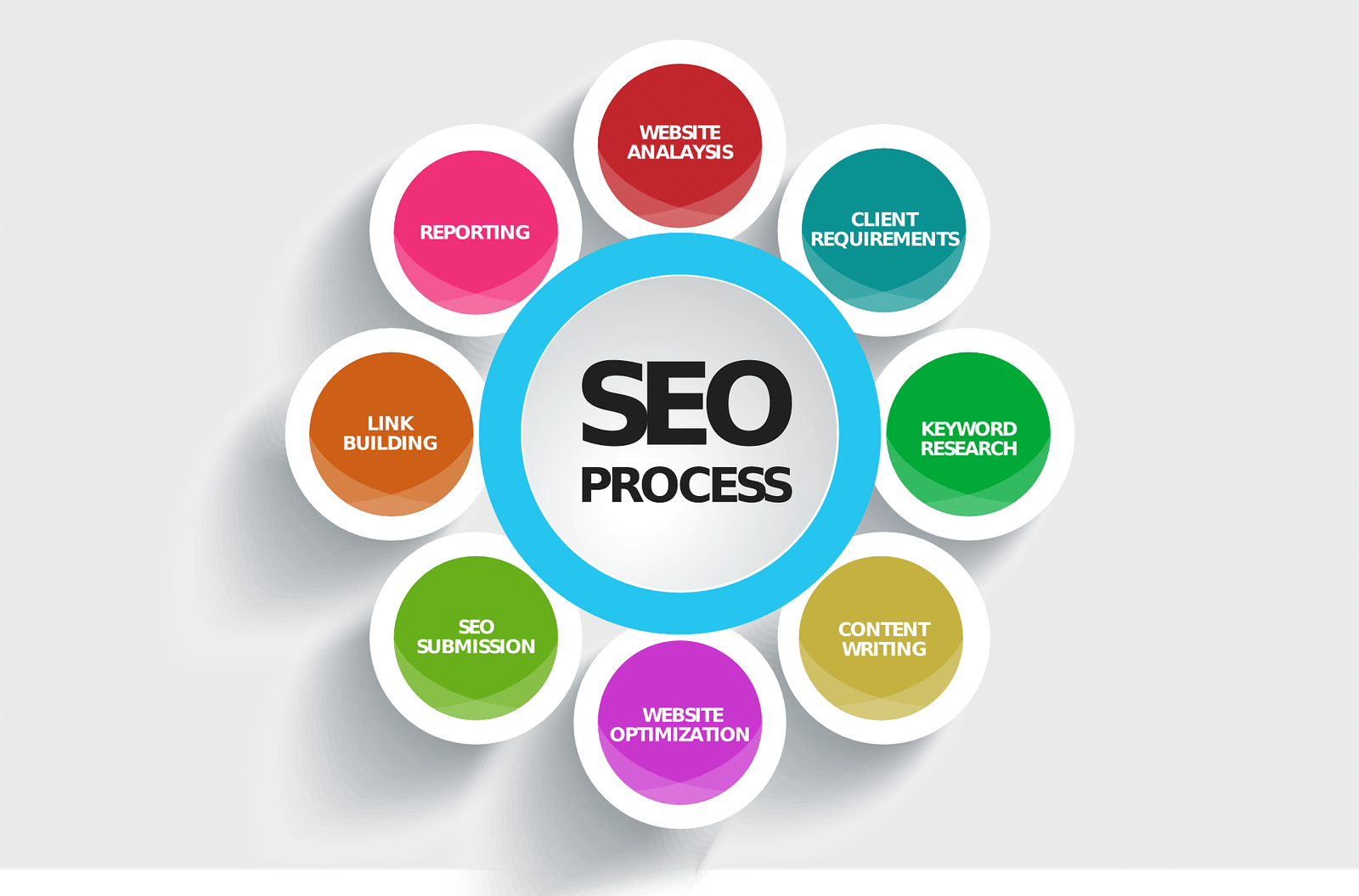
Chapter 4: A Demolition Contractor’s Guide To Local SEO
For a demolition contractor, ranking on a national level is irrelevant. Your business lives and dies by its ability to attract clients in your specific service area.
This is the domain of local SEO, and its most critical battlefield is the Google Map Pack also known as the Local Pack. This is the box with three business listings and a map that appears at the very top of the search results for local queries.
This chapter provides a complete playbook for optimizing your presence, building local trust signals, and ensuring that when a client searches for demolition services in your town, your company is the one they see first.
The Google Business Profile Playbook for Demolition Contractors
Your Google Business Profile (GBP) is the single most important tool in your local SEO arsenal. According to research from Search Engine Journal, the Local Pack appears in the top position for 93% of searches that have local intent.
Securing a spot here is not optional, it’s essential for a steady flow of inbound leads. Optimizing your GBP is a detailed process that signals to Google that you are an active, reputable, and relevant local business.
Here’s your step-by-step optimization checklist:
- Category Selection: This is paramount. Your primary category must be “Demolition Contractor.” You can then add secondary categories for all other relevant services you offer, such as “Excavation Contractor,” “Asbestos Removal Service,” or “Site Preparation Contractor.” Be thorough.
- Services Menu: Don’t just list a few services. Use the services feature to build out a comprehensive menu of everything you do. Create an individual entry for `house demolition`, `commercial building demolition`, `concrete breaking and removal`, `site clearing`, `pool fill-in`, `asbestos abatement`, etc. Write a detailed description for each one.
- Photos & Videos: A profile without images is a dead profile. Consistently upload new, high-quality photos from your job sites at least once a week. Geo-tag your photos with the location where they were taken before uploading. According to Google, businesses with photos on their profile receive 42% more requests for driving directions and 35% more clicks through to their websites.
- Google Posts: This feature is like a mini-blog directly on your GBP profile. Use it weekly to share photos of a completed job, highlight a specific high-margin service, announce a new piece of equipment, or share a link to a recent case study on your website. This activity signals to Google that your business is active and engaged.
- Q&A Section: The Questions & Answers section is often ignored, but it’s a goldmine. Proactively populate it yourself by asking and answering the most common questions you get from clients. Examples: “Are you licensed and insured?” (Answer with your license number). “What is your service area?” (List your key cities and counties). This controls the narrative and provides helpful information to potential clients.
- Enable Messaging: Turn on the messaging feature to allow customers to send you a text message directly from your GBP listing. This lowers the barrier to entry for initial inquiries and can help you capture leads who might be hesitant to make a phone call.
How to Get More 5-Star Reviews and Manage Your Online Reputation
Online reviews are one of the top three ranking factors for the local map pack, as confirmed by numerous industry studies, including Whitespark’s Local Search Ranking Factors report. They are the digital form of word-of-mouth and are critical for building trust with both Google and potential customers.
- Systematize Your Requests: Don’t just hope for reviews, ask for them. Implement a simple system using email or SMS software to automatically send a review request link to your client a few days after a job is successfully completed. Make it as easy as possible for them to leave feedback.
- Respond to Every Single Review: This is non-negotiable. Thank customers for positive reviews. For negative reviews, respond professionally and promptly. Research shows that businesses that respond to their reviews are perceived as 1.7 times more trustworthy than those who don’t. Acknowledge the issue, take the conversation offline to resolve it, and show other potential customers that you take client satisfaction seriously.
Building Local Citations and Ensuring NAP Consistency
A “citation” is any online mention of your business’s Name, Address, and Phone number (NAP). Google uses these citations across the web to verify the legitimacy and location of your business. Consistency is key.
If your business is listed as “ABC Demo Inc.” on one site and “ABC Demolition” on another, it creates confusion for search engines and erodes trust. A BrightLocal report found that 80% of consumers lose trust in a local business if they see incorrect or inconsistent contact details online.
Focus on getting listed in high-quality, relevant directories. Here are some of the most important citation sources for demolition contractors:
- Data Aggregators: Foursquare, Data Axle, and Neustar Localeze.
- Major Platforms: Google, Bing, Apple Maps, Yelp.
- Construction-Specific Directories: HomeAdvisor, Angi, Houzz, BuildZoom, The Blue Book.
- Local Directories: Your local Chamber of Commerce, local business journals, and city-specific directories.
Use a tool like Moz Local or BrightLocal to perform a citation audit. These tools will find inconsistent listings across the web and help you clean them up, ensuring your NAP is uniform everywhere it appears.
Creating Hyper-Local Service Area Pages That Rank Across Your Region
If your business serves a wide region with multiple distinct cities or counties, you need to signal your relevance in each of those areas. The most effective way to do this is by creating dedicated “service area” pages on your website.
Instead of just listing the cities you serve on your contact page, create a unique page for each important location. For example, if you are based in Fort Worth but also do a lot of work in Dallas, you should have a page with a URL like: `yourdomain.com/service-areas/demolition-contractor-dallas/`.
This page must have unique content. Do not just copy and paste your main service page and swap out the city name. Write about your experience working in that specific city. Mention any landmark projects you’ve completed there, discuss specific local permitting requirements, or talk about logistical challenges unique to that area.
Embed a Google Map of the city and include testimonials from clients you’ve served there. This strategy tells Google that you are a legitimate player in that market, dramatically increasing your chances of showing up in the map pack for searches originating from that location.
With your on-page and local SEO foundations firmly in place, it’s time to look under the hood. The next chapter will cover the technical aspects of your website that are invisible to users but critical for search engine performance.

Chapter 5: Technical SEO for Demolition Contractor Websites
While content and local signals are the visible structure of your SEO efforts, technical SEO is the foundation and framework holding everything up. These are the “under the hood” elements that are largely invisible to your website visitors but are absolutely critical for how search engines like Google find, crawl, understand, and rank your site.
Getting this technical blueprint right ensures that all your other hard work in content and link building isn’t wasted. For a demolition contractor, a technically unsound website can be just as damaging as a faulty piece of equipment, it will fail when you need it most.
Why a Slow Website is Costing You Demolition Jobs
The way people search has fundamentally changed. Today, the majority of searches, over 60%, happen on a mobile device. This could be a GC on their phone at a job site or a homeowner on their tablet at home. In response, Google now operates on a “Mobile-First Indexing” system.
This means Google primarily uses the mobile version of your website for ranking and indexing. If your site looks great on a desktop but is slow, broken, or hard to use on a phone, your rankings will suffer everywhere.
Site speed is a direct extension of this mobile-first reality. It’s a confirmed ranking factor, but more importantly, it’s a conversion factor. Google’s own data shows that a mere 1-second delay in mobile page load time can cause a 7% reduction in conversions.
For your business, that means fewer quote request forms filled out and fewer calls from potential clients. A slow website is literally costing you demolition jobs.
You can check your website’s performance for free using Google’s PageSpeed Insights tool. It will give you a score for both mobile and desktop and provide a list of specific issues to fix. Common speed killers for contractor websites include:
- Large, Uncompressed Images: High-resolution photos from job sites can be massive files that take a long time to load. Always compress your images before uploading them to your website using a tool like TinyPNG.
- Slow Web Hosting: Using cheap, shared hosting is a common mistake. A slow server will always result in a slow website. Invest in quality hosting.
- Bloated Themes and Plugins: Using too many unnecessary plugins or a poorly coded website theme can dramatically slow down your site. Keep your design clean and your plugins to a minimum.
How to Implement Schema Markup to Speak Google’s Language
Schema markup is a form of structured data, essentially a vocabulary of code that you add to your website’s HTML. This code doesn’t change how your site looks to a human visitor, but it acts as a set of labels that helps search engines understand the context of your content more deeply. It’s like translating your website into Google’s native language.
The reward for doing this is the potential to earn “rich snippets” in the search results. These are the enhanced listings that might show review stars, pricing, FAQs, or other information directly on the results page.
According to some studies, rich snippets can increase your click-through rate by up to 30% because they make your listing more prominent and informative.
For a demolition contractor, there are several essential types of schema you should implement:
- Home & Construction Business Schema (HomeAndConstructionBusiness) : Use this on your homepage and contact page. It allows you to explicitly label your business name, address, phone number, hours of operation, and even the geographic coordinates of your office.
- Service : Apply this to each of your individual service pages e.g., Commercial Demolition, Asbestos Abatement. You can specify the type of service and the geographic area you serve.
- AggregateRating : By marking up the testimonials or reviews on your site with this schema, you can become eligible for the gold star ratings to appear next to your listing in the search results.
- FAQPage : If you have a page with a list of frequently asked questions and answers, using this schema can make those Q&As appear directly in the search results as a dropdown, dominating more screen real estate.
You don’t need to be a coding expert to implement schema. Tools like Merkle’s Schema Markup Generator can create the code for you, and many WordPress SEO plugins like Rank Math have built-in features to add it easily.
Creating a Logical Website Structure for Your Demolition Services
A logical website structure, or site architecture, is important for two reasons: it helps users easily find what they are looking for, and it helps search engines understand the hierarchy and relationship between your pages.
A messy, disorganized site is confusing for everyone. The best approach is to “silo” your content by topic. This means grouping all related pages under a logical parent category.
For a demolition company, a clean, siloed structure looks like this:
- `yourdomain.com/services/`: This is the parent “silo” page that gives an overview of all your services
- `yourdomain.com/services/commercial-demolition/`
- `yourdomain.com/services/residential-demolition/`
- `yourdomain.com/services/asbestos-abatement/`
- `yourdomain.com/services/concrete-removal/`
This structure creates clear topical authority. It tells Google that you have a deep base of content related to “services,” with specific, authoritative pages on each sub-topic. It also makes your website intuitive to navigate for a potential client, allowing them to quickly find the exact service they need information about.
With a technically optimized and well-structured website, you have a powerful machine ready to perform. The next chapter will focus on fueling that machine with the high-octane currency of the web, authority-building backlinks.

Chapter 6: Link Building & Off-Page SEO Strategies
Up to this point, we’ve focused on optimizing assets you directly control, your website content and your Google Business Profile. This chapter shifts the focus outward, to the realm of off-page SEO. The primary goal here is to build your website’s authority and trustworthiness in the eyes of Google.
The single most powerful way to do this is by earning backlinks, links from other websites pointing to yours. This chapter will demystify link building and provide you with creative, industry-specific strategies for earning the types of links that your competitors are likely ignoring.
Why Backlinks are the Currency of Trust for Google
Backlinks have been one of the top two most important ranking factors since the inception of Google. In the simplest terms, a backlink is a vote of confidence from one website to another. When a reputable website links to your demolition company’s site, they are essentially vouching for your credibility and expertise.
Google sees these “votes” and interprets them as a strong signal that your website is a trustworthy resource, deserving of a higher ranking.
However, not all links are created equal. The quality and relevance of the linking website are far more important than the sheer quantity of links. A single, relevant link from a local construction industry news blog is worth exponentially more than a hundred low-quality links from generic, spammy directories.
The goal is to earn links from websites that are themselves authoritative and topically related to the construction, demolition, real estate, or local business community.
Actionable Link Building Strategies for Demolition Companies
Many contractors think link building is some arcane technical wizardry, but in reality, much of it is rooted in real-world community engagement and relationship building. Here are several actionable strategies that work exceptionally well for demolition companies.
You should consider the following hyperlocal link building tactics:
- Local Sponsorships: This is one of the easiest and most effective ways to earn powerful local links. Sponsor a local little league team, a charity 5k race, a high school robotics club, or a community festival. In almost every case, the organization will list their sponsors on their website with a link back to the sponsor’s site.
- Chamber of Commerce and Local Business Associations: Join your city’s Chamber of Commerce and any other local business groups. You will almost always get a listing in their high-authority member directory, which provides a valuable local backlink.
- Supplier & Partner Links: You already have a network of business relationships. Ask them for links. Your heavy equipment dealer, your structural engineering partner, your go-to waste management or recycling facility, ask if they have a “Partners” or “Resources” page on their website where they could add a link to your company. You can offer a reciprocal link in return.
- Trade School Partnerships: This is a highly effective and underutilized strategy. Contact a local vocational or trade school that has programs for construction or heavy equipment operation. Offer a small annual scholarship e.g., $500-$1000 for a deserving student. Schools will often create a page on their website listing scholarship opportunities and linking to the sponsoring company. Links from .edu domains are extremely authoritative and trusted by Google.
Using Digital PR to Showcase High-Profile Projects and Earn Powerful Links
If you handle a significant, complex, or newsworthy project, you have a powerful public relations opportunity that can translate into SEO gold. Did you demolish a well-known local landmark? Were you involved in the site clearing for a major new development? Did you perform a complex implosion that required road closures? These are stories.
Here’s how to leverage them:
- Document Everything: Take high-quality photos and professional drone video of the project from start to finish.
- Write a Simple Press Release: Create a one-page document that summarizes the project. What was the structure? What was the purpose of the demolition? What were the unique challenges? Include a quote from your company’s president and a link to the project gallery on your website.
- Distribute to Local Media: Send your press release and a few of your best photos to local news bloggers, journalists at the city newspaper, and writers for local real estate and construction industry publications. If they cover the story, they will almost certainly link back to your website as the source. A single link from a trusted local news outlet can have a massive impact on your authority and rankings.
Additionally, you can pursue industry-specific links by writing guest posts for construction or real estate development blogs on a topic you are an expert in, such as “5 Things Developers Must Consider Before a Commercial Demolition.”
Joining national industry associations like the National Demolition Association (NDA) or the Associated General Contractors (AGC) also provides a link from their highly-trusted directories.
Building authority through links is a long-term strategy, but it’s what separates the companies that dominate the search results from those that don’t. Many of these link-building opportunities are powered by great content.
The next chapter will provide a playbook for creating the kind of content that not only wins contracts but also acts as a magnet for these valuable links.

Chapter 7: Your Demolition Content Marketing Playbook
Content marketing for a demolition contractor isn’t about writing fluffy blog posts. It’s about strategically creating digital assets that accomplish two primary goals, building trust with potential clients by demonstrating your expertise, and attracting high-quality traffic and authoritative backlinks.
This chapter provides a practical playbook for creating content that moves beyond simple service descriptions and positions your company as the undisputed expert in your market, answering your clients’ most pressing questions before they even pick up the phone.
How to Create Demolition Project Case Studies That Win Contracts
Your completed projects are your best marketing material. A well-crafted case study does more than just show a before-and-after photo, it tells a story of competence, problem-solving, and success.
This is your chance to show a potential GC or developer that you can handle projects just like theirs. The most effective way to structure these case studies is by using the “Challenge-Solution-Result” framework.
- Challenge: Start by clearly defining the client’s problem and the project’s unique constraints. Be specific. For example: “A national real estate developer needed to clear a 50,000 sq. ft. former plastics manufacturing warehouse in downtown Houston. The project involved extensive asbestos-containing materials (ACMs) and was located on a zero-lot-line property, adjacent to an active office building, with a tight 30-day deadline before new construction was set to begin.”
- Solution: This is where you detail your expertise. Describe the specific process you followed. Mention the specialized equipment you deployed, like high-reach excavators with shear attachments for steel processing. Detail the safety measures you implemented, including air quality monitoring and debris containment systems. Explain how you managed the logistics of waste removal and material recycling, highlighting any contributions to LEED certification points.
- Result: Quantify the outcome whenever possible. Numbers are more powerful than adjectives. For example: “The project was completed two days ahead of the 30-day schedule, with zero safety incidents. Our team successfully recycled over 85% of the concrete and steel from the site, and all asbestos abatement was completed in full compliance with state and federal regulations, allowing the developer to break ground on their new project without delay.”
Always include a gallery of high-quality photos, embedded drone video footage, and, if possible, a direct quote from the client praising your work. These detailed case studies not only convert visitors into leads but can also begin to rank in Google for very specific, long-tail search queries like “warehouse demolition with asbestos removal Houston.”
Blog Post Blueprints That Attract High-Value Traffic and Links
The goal of your blog is to answer the questions your potential clients are asking in the early stages of their research. By providing valuable, in-depth information, you build trust and attract traffic from users who may not be ready for a quote today but will remember your company when they are. This type of content is also a magnet for backlinks from other websites.
Here are several link-worthy blog post ideas based on the “Skyscraper Technique”, finding what others have written on a topic and creating something far more comprehensive and valuable:
- The Ultimate Cost Guide: Create a definitive resource titled “How Much Does It Cost to Demolish a House in [Your State]? (2024 Data).” Don’t just give a single number. Break down all the cost factors in detail: permit fees, size and material of the structure, asbestos testing and abatement, foundation removal, utility disconnection, and debris hauling. This type of post is highly linkable for real estate blogs, home flippers, and property investor sites.
- Permitting & Regulation Guides: Become the local authority on the bureaucratic side of demolition. Write a post like “A Contractor’s Complete Guide to Demolition Permits in [Your City or County].” Walk through the entire process, explain the different types of permits required, and link directly to the official application forms on the city’s website. Local developers, architects, and even other contractors will link to this as a helpful resource.
- Safety Guides and Checklists: Showcase your commitment to safety by creating valuable content around it. For example, “The Ultimate Asbestos Abatement Safety Checklist for Commercial Property Owners.” This establishes your expertise and can earn links from insurance companies, safety consultants, and property management blogs.
- Comparison Posts: Help potential clients make informed decisions. Write a detailed comparison like “Selective Demolition vs. Full Teardown: Which is Right for Your Renovation Project?” Explain the pros, cons, costs, and ideal scenarios for each approach.
For your most comprehensive guides, create a downloadable PDF version e.g., a checklist or a condensed guide, and offer it in exchange for an email address. This turns your content into a lead generation tool.
Leveraging Video and Drone Footage to Dominate Search Results
Video is the most engaging form of content on the web, and YouTube is the world’s second-largest search engine. Your demolition work is visually dramatic and perfectly suited for video.
- Create Service-Specific Videos: Don’t just create a general company promo video. Produce short (1-3 minute) videos showcasing your process for specific services. A time-lapse of a house demolition, a video explaining your concrete crushing process, or drone footage of a large commercial site clearing can be incredibly effective.
- Optimize Your Videos for Search: When you upload a video to YouTube, treat it like a web page. Write a keyword-rich title e.g., “Commercial Building Demolition Process in Atlanta, GA | ABC Demo”, and a detailed description that explains what the video shows and includes a link back to the relevant service page on your website.
- Embed Videos on Your Website: Embedding these videos directly onto your service pages and case studies significantly increases visitor engagement time, which is a positive signal to Google. Furthermore, video thumbnails often appear directly in Google’s search results, which can dramatically increase the click-through rate to your website.
By consistently creating high-value content assets like these, you build a powerful digital moat around your business. You become more than just a service provider, you become the trusted authority.
However, creating all this content and implementing SEO strategies is only half the battle. The next chapter will show you how to measure what’s working and prove the financial return of your efforts.

Chapter 8: Tracking The ROI Of Your Demolition SEO
Marketing is an investment, not an expense. But to treat it as an investment, you must be able to measure its return. This chapter answers the most important question any business owner has: “Is this actually working and making me money?”
We will cut through the clutter of confusing marketing jargon and vanity metrics to focus on the handful of key performance indicators (KPIs) that directly translate to qualified leads and signed contracts for a demolition business. This is how you connect your SEO efforts to your bottom line.
Setting Up Google Analytics, Search Console, and Call Tracking
To measure performance, you need the right tools installed and configured correctly. Your digital dashboard should consist of three core components, all of which are essential.
- Google Analytics 4 (GA4): This is the free, industry-standard tool for tracking website traffic. It tells you how many people are visiting your site, which pages they look at, how they found you (e.g., organic search, direct visit), and whether they are completing key actions, like filling out your quote request form. You must set up “conversion tracking” in GA4 to properly measure form submissions.
- Google Search Console: Another free tool from Google, this platform provides insights into your site’s performance specifically within Google Search. It shows you which keywords your site is appearing for, what your average ranking position is for those keywords, and your click-through rate. It’s also where Google will alert you to any technical problems with your site.
- Call Tracking Software: This is the most critical and often overlooked piece of the puzzle for any contractor. Services like CallRail or CallTrackingMetrics allow you to place a unique, dynamic phone number on your website that only displays to visitors who arrive from an organic search. When a potential client calls that number, the software tracks it as a lead from your SEO efforts and forwards the call seamlessly to your main business line. Without this, you have no way of knowing how many of your inbound calls are a direct result of your SEO work.
The Only SEO Metrics That Matter for a Demolition Contractor
It’s easy to get lost in dozens of data points. Ignore the “vanity metrics” like total website traffic, bounce rate, or a number-one ranking for a keyword that gets no searches. Instead, focus relentlessly on the metrics that represent real business outcomes.
Here are the only four KPIs you need to obsess over:
- Organic Lead Generation (Total Conversions): This is your North Star metric. It is the sum of all quote request forms submitted and all tracked phone calls generated from organic search traffic each month. This is the ultimate measure of whether your SEO is generating opportunities.
- Google Business Profile Actions: Your GBP profile is a lead generation engine in itself. Log in to your GBP dashboard and look at the “Performance” report. Specifically, track the number of “Calls,” “Website Clicks,” and “Directions Requests.” These are all actions taken by high-intent local searchers.
- Keyword Rankings for “Money” Terms: While you shouldn’t obsess over every keyword, you should track your ranking position in your local market for a core group of 5-10 of your most important, high-intent, service-and-location keywords e.g., “commercial demolition chicago,” “asbestos abatement services miami”. Improvement in these rankings is a leading indicator of future lead growth.
- Local Pack Visibility: Using an SEO rank tracking tool, measure the percentage of time your business appears in the 3-Pack on the map for your core keywords. This is often more important than your traditional organic ranking, as this is where the majority of local clicks and calls originate.
How to Calculate the True ROI of Your SEO Investment
Once you are accurately tracking your leads, you can calculate the true return on your SEO investment with a simple, powerful formula. This calculation transforms your marketing from a mystery into a predictable growth engine.
- Step 1: Calculate Your Total Investment. For a specific period (e.g., one quarter), add up your total spending on SEO. This includes agency fees, software costs, and any content creation expenses.
- Step 2: Track Your Total Qualified SEO Leads. Using your dashboard, determine the total number of qualified phone calls and form submissions generated from SEO during that same period.
- Step 3: Determine Your Lead-to-Close Rate. Look at your sales data. What percentage of qualified leads do you typically turn into a signed contract? For example, if you win 1 out of every 4 qualified bids, your close rate is 25%.
- Step 4: Calculate Revenue from SEO. Multiply the number of SEO leads by your close rate to get the number of new jobs. Then, multiply that by your average job value. (Example: 20 leads x 25% close rate = 5 new jobs. 5 jobs x $25,000 average job value = $125,000 in new revenue).
- Step 5: Calculate Your ROI. Use the standard ROI formula:
‘(Revenue from SEO – SEO Investment) / SEO Investment) 100 = ROI %’
‘($125,000 – $15,000) / $15,000) 100 = 733% ROI’
Understanding your ROI gives you the confidence to reinvest in your marketing and scale your growth. With a firm grasp on measuring your current performance, it’s time to look ahead to the future of search and explore the advanced strategies that will give you a lasting competitive advantage.

Chapter 9: Advanced SEO & AI Strategies For Demolition
The digital marketing landscape is in a constant state of evolution. The strategies that work today will need to adapt for tomorrow. For demolition contractors who want to build a truly dominant and future-proof online presence, it’s essential to look beyond the fundamentals and prepare for the next frontier of search.
This chapter explores how emerging technologies like artificial intelligence (AI) and evolving search engine features will shape how clients find your services, providing a significant competitive edge to those who adapt early.
How to Use AI in Your Demolition Marketing (Beyond ChatGPT)
Artificial intelligence is more than just a tool for writing generic content. When applied strategically, AI can serve as a powerful co-pilot for your marketing efforts, increasing efficiency and effectiveness. It’s not about replacing human expertise but augmenting it.
Here are several practical ways to use AI in your demolition marketing:
- Content Ideation and Outlining: While AI should not write your final content (your human expertise is essential for E-E-A-T, it can be an incredible brainstorming partner. Use AI tools to generate lists of blog post ideas, create structured outlines for complex guides on demolition safety or permitting, and identify common questions customers ask about your services.
- Review Management: Responding to every review is critical but time-consuming. Use AI to help draft personalized, professional responses. You can provide the AI with the customer’s review and ask it to generate a starting point for your reply, which you can then quickly edit and post. This can save hours each month.
- Local SEO Performance Analysis: A new generation of AI-powered SEO tools can analyze your Google Business Profile performance and offer data-driven suggestions. For example, an AI tool might analyze your photo library and identify that images featuring heavy machinery get 50% more engagement than photos of finished sites, prompting you to upload more of that type of content.
- Ad Copy Generation for Google Ads: If you run Google Ads campaigns alongside your SEO, AI is a game-changer. AI can generate dozens of variations of headlines and descriptions for your ads. You can then A/B test these variations to find the combinations that produce the highest click-through rates and the lowest cost per lead.
At Aziel Digital, we integrate proprietary AI tools into our campaign management to analyze data and uncover opportunities faster than human analysis alone, giving our clients like Jesse Tutt, who now sees 24,000 visitors per month, a distinct competitive advantage.
The Future of Search
Google’s search results page is changing. The traditional “10 blue links” are being supplemented, and in some cases, replaced, by new features. Two of the most important to prepare for are AI Overviews and voice search.
- Google’s AI Overviews (formerly SGE): This is the AI-generated summary that now appears at the top of many search results, directly answering the user’s query by synthesizing information from multiple websites. To increase your chances of being cited as a source in these overviews, your website content must be exceptionally clear, well-structured, factually accurate, and written to directly answer specific questions. Using FAQ sections, clear headings, and implementing Schema markup (as discussed in Chapter 5) are all critical for being included in these AI-powered answers.
- Voice Search: The use of voice assistants like Google Assistant, Siri, and Alexa continues to grow. When a user says, “Hey Google, find a demolition contractor near me,” the search is conversational and demands a direct, immediate answer. The primary source for these answers is almost always the business with the most completely and accurately optimized Google Business Profile. Having your correct name, address, phone number, and hours of operation listed is no longer just good practice, it’s essential for being found through voice search.
Advanced Reputation Management
Your online reputation extends far beyond your Google reviews. GCs, developers, and even discerning homeowners will often check multiple sources before making a hiring decision. Advanced reputation management involves proactively monitoring and managing your presence across the entire web.
- Monitor Industry-Specific Review Sites: Beyond Google, you need to claim and manage your profiles on platforms like Yelp, HomeAdvisor, Angi, and the Better Business Bureau (BBB). A negative review on one of these platforms can be just as damaging as one on Google.
- Set Up Brand Monitoring Alerts: Use a free tool like Google Alerts to set up a notification for your company’s name. This way, you will receive an email whenever your business is mentioned in a news article, blog post, or forum online, allowing you to respond or engage immediately.
- Develop a Proactive Response Strategy: Don’t wait for a negative mention to figure out how you’ll handle it. Have a clear, professional protocol in place for addressing criticism on any platform quickly and constructively. Your public response is not just for the person who complained, it’s for every potential customer who will see it in the future.
Implementing these foundational and advanced strategies is a significant undertaking that requires expertise, time, and consistency. The final chapter will help you evaluate the most effective way to execute this plan: doing it yourself versus partnering with a specialist.

Chapter 10: How To Choose The Right SEO Partner
You now have the complete blueprint for dominating your market with SEO. The final, critical decision is how to turn this blueprint into a fully constructed, revenue-generating machine. This chapter provides a clear-eyed evaluation of your options for implementation.
It breaks down the true costs of a do-it-yourself approach versus the value of hiring a specialized agency, and it makes a logical case for why partnering with an expert who understands the demolition industry is the fastest and most profitable path to sustainable growth.
The True Cost of DIY SEO vs. Hiring a Specialized Agency
Many business owners, in an effort to save money, consider taking on SEO themselves. However, it’s crucial to calculate the true cost of this approach, which extends far beyond a dollar figure.
The Cost of DIY SEO includes:
- Your Time: Effective SEO is not a part-time task. It requires dozens of hours every single month dedicated to research, content creation, technical optimization, link building, and analysis. Every hour you spend trying to be a marketer is an hour you’re not spending running your business, managing crews, or bidding on jobs. Your time has immense value, DIY SEO consumes it rapidly.
- Essential Software Costs: Professional SEO is not possible without professional tools. A subscription to a platform like Semrush or Ahrefs for keyword research and competitor analysis can cost $150-$400+ per month. Call tracking software adds another $50-$100+. Rank tracking and reporting tools add even more. These costs can easily exceed $500 per month before you’ve even started the work.
- The Cost of Mistakes: The learning curve in SEO is steep and unforgiving. Making a technical error can get your site penalized by Google. Targeting the wrong keywords can waste months of effort. A bad link-building strategy can do more harm than good. These mistakes cost not just time, but real-world opportunity.
The Value of a Specialized Agency:
When you hire a proven agency, you are not just outsourcing tasks. You are investing in expertise, established processes, and efficiency. A good agency comes with enterprise-level tools, a team of specialists (writers, technical SEOs, link builders), and a playbook that has been tested and refined across dozens of clients. This allows you to achieve better results, faster, and avoid the costly mistakes of the learning curve.
Frequently Asked Questions
How Long Does SEO Take To Work For A Demolition Company?
For a new website or a site with no previous optimization, you can expect to see initial positive movement in rankings and traffic within 3 to 6 months.
However, achieving significant lead flow and ranking for competitive, high-value keywords typically takes 6 to 12 months of consistent effort. SEO is a long-term investment in building a digital asset, it’s a marathon, not a sprint.
The timeline is influenced by factors like the level of competition in your market, the current state of your website, and the aggressiveness of the strategy, as highlighted in numerous case studies by marketing authorities like Search Engine Journal.
What Is The Most Important Part Of SEO For A Demolition Contractor?
The single most important part is local SEO, with a specific focus on optimizing your Google Business Profile (GBP). The vast majority of high-intent searches for demolition services have local intent e.g., “demolition contractor near me”, and the Google Map Pack is where most users will find and contact a contractor.
According to Whitespark’s Local Search Ranking Factors study, GBP signals are the most heavily weighted factor for ranking in the Map Pack, making a fully optimized profile with consistent activity and positive reviews absolutely critical for generating leads.
How Much Should A Demolition Contractor Budget For SEO?
A realistic monthly budget for comprehensive SEO services from a reputable, specialized agency typically ranges from $2,500 to $7,500+, depending on the competitiveness of your city and the scope of work.
This investment covers in-depth keyword research, on-page optimization, technical SEO, high-quality content creation like case studies and guides, and authoritative link building.
Viewing this as a cost is a mistake, it should be measured against the potential return of even one or two new commercial demolition contracts, which can often be worth six figures.
Do I Need A New Website For SEO To Be Effective?
Not always, but it’s a possibility. An effective SEO campaign requires a website that is technically sound, mobile-friendly, fast-loading, and easy for users to navigate.
If your current site is very old, built on outdated technology, not secure (HTTPS), or provides a poor mobile experience, it will be a significant roadblock to your success.
In these cases, investing in a new, modern website through a service like Aziel Digital’s web design is often the most cost-effective first step to ensure your SEO investment has a solid foundation to build upon.
Can I Do SEO Myself For My Demolition Business?
While it’s technically possible to learn and implement some basic SEO tasks yourself, it’s often not the best use of a business owner’s time. SEO is a complex, full-time discipline that requires expertise in multiple areas (technical, content, local, link building) and expensive software.
The time you would spend learning and executing SEO is time taken away from managing operations, bidding jobs, and running your company. For most established demolition contractors, the ROI of hiring a specialist far outweighs the “savings” of a DIY approach.
How Is SEO Different For Commercial Demolition Versus Residential Demolition?
The core principles are the same, but the strategy and targeting are very different. For commercial demolition, the target audience is GCs, developers, and project managers.
The keywords are more technical,e.g., “industrial plant decommissioning,” “selective demolition for historic buildings”, and the content needs to focus heavily on safety, compliance, equipment capabilities, and project management (E-E-A-T).
For residential demolition, the target is homeowners, the keywords are simpler “house demolition,” “pool removal cost”, and the content should focus more on the process, pricing transparency, and customer service.
Why Are Online Reviews So Important For Winning Demolition Contracts?
Online reviews are the modern-day word-of-mouth and a cornerstone of trust. A BrightLocal survey found that 87% of consumers read online reviews for local businesses, and this behavior extends to B2B clients vetting contractors.
For a high-risk, high-cost service like demolition, a strong portfolio of recent, positive reviews on your Google Business Profile provides critical social proof.
It signals to both potential clients and Google’s algorithm that you are a reputable, trustworthy company, which directly impacts your map pack rankings and your lead conversion rate.
What Is The Difference Between SEO And Google Ads (PPC)?
SEO is the organic process of earning visibility in the search results. You don’t pay Google for placement, you earn it through optimizing your website and building authority over time. Google Ads (PPC, or Pay-Per-Click) is the advertising platform where you pay to have your ad appear at the top of the search results for specific keywords.
SEO is a long-term asset-building strategy that provides sustainable traffic, while PPC offers immediate visibility and is great for targeting specific services or promotions. A comprehensive digital strategy often uses both in tandem.
How Can I Rank In The Google Map Pack In A Different City Where I Don’t Have A Physical Office?
Ranking in the Map Pack in a city where you don’t have a verified physical address is challenging, as proximity to the searcher is a major ranking factor.
The most effective strategy is to build hyper-local service area pages on your website for that city, as outlined in this guide. These pages should contain unique content about your work and experience in that specific city.
Additionally, acquiring local citations and backlinks from that city and generating customer reviews that mention the city name can help signal your relevance to Google for that market.
What Kind Of Photos Should I Be Putting On My Google Business Profile?
You should upload a variety of high-quality, real photos from your business. The best categories include photos of your team and crew on a job site, with proper safety gear, your heavy equipment and fleet in action, before-and-after shots of completed projects, and photos of your company’s office or yard.
According to Google’s own data, businesses with photos receive more clicks and calls. Consistency is key, aim to add new, geo-tagged photos every week to signal to Google that your business is active.
Is Blogging Necessary For A Demolition Company?
While not strictly necessary to rank for your main commercial keywords, a strategic blog is a powerful tool for building topical authority, attracting high-value traffic, and earning backlinks.
By creating comprehensive resource guides on topics like demolition costs, permit processes, and safety regulations, you answer the questions your potential clients are asking.
This builds trust early in their journey and can capture leads you would otherwise miss, making it a highly recommended component of a mature SEO strategy.
How Do I Track Phone Calls That Come From My SEO Efforts?
The only reliable way to track phone calls from SEO is by using a third-party call tracking service like CallRail. This software provides a unique phone number that is dynamically inserted onto your website only for visitors who arrive from an organic search.
When that number is called, the system tracks it as an SEO lead and forwards the call to your regular business line. Without this technology, you are essentially guessing at how many of your inbound calls are coming from your SEO investment.
What Is E-E-A-T And Why Does Google Care About It For Contractors?
E-E-A-T stands for Experience, Expertise, Authoritativeness, and Trustworthiness. It’s a framework from Google’s quality guidelines used to assess the credibility of a website.
Google places immense importance on E-E-A-T for “Your Money or Your Life” (YMYL) topics, where bad information could lead to serious harm, and demolition fits this perfectly.
For contractors, demonstrating E-E-A-T means showcasing detailed case studies (Experience), featuring team certifications (Expertise), displaying industry association memberships (Authoritativeness), and making licenses and insurance visible (Trustworthiness).
Should My Demolition Company Be On Social Media?
For most demolition contractors, social media platforms like Facebook or Instagram should be a low-priority marketing channel. While it’s good to have a basic, professional presence, your primary clients (GCs and developers) are not typically sourcing contractors on social media.
Your limited marketing time and budget are far better invested in SEO and your Google Business Profile, where high-intent clients are actively searching for your services. The exception is LinkedIn, which can be a valuable tool for networking with commercial real estate professionals and GCs.
How Does AI Affect My SEO Strategy?
AI is affecting SEO in two main ways. First, as a tool, AI can help you perform marketing tasks more efficiently, such as brainstorming content ideas, analyzing data, and drafting ad copy. Second, as a feature of search engines like Google’s AI Overviews, it changes how users receive information.
Your strategy must adapt by creating extremely clear, well-structured, and fact-based content that is easy for AI systems to parse and cite as a source. Focusing on demonstrating your first-hand E-E-A-T is the best way to remain relevant in an AI-driven search world.
What Are Local Citations And Why Do They Matter For My Business?
A local citation is any online mention of your demolition company’s Name, Address, and Phone number (NAP). These can appear in online directories like Yelp, industry-specific sites like BuildZoom, or on social media platforms. Citations are a foundational local SEO signal.
Google uses them to verify that your business is legitimate and that its location and contact information are accurate. Having a large number of consistent, accurate citations across the web increases Google’s trust in your business, which can positively impact your rankings in the local Map Pack.