

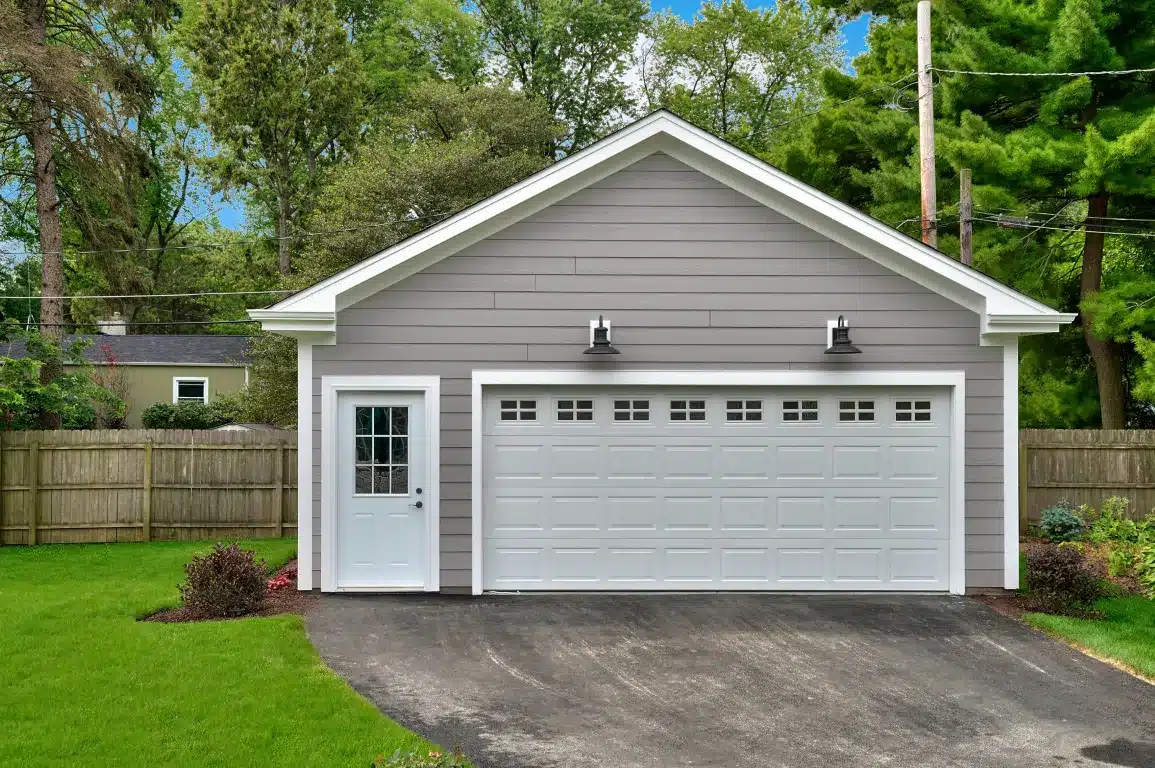
Most contractors handle marketing the same way they handle a lunch break it’s rushed, purely functional, and usually an afterthought. You might throw some money at Facebook ads, stick a sign in the yard, and just hope the phone rings. But hope isn’t a strategy you can build a business on. The market for garage conversions has fundamentally shifted. Homeowners aren’t just looking for a little extra elbow room anymore, they are hunting for income potential and ways to spike their property value. Your advertising needs to speak that same language. It’s time to pivot from selling drywall and studs to selling Return on Investment (ROI) and rental income.
If you continue to market garage conversions as simple home improvements, you are going to lose out to the contractor who markets them as smart financial assets. This guide lays out exactly how to position your business to capture those high-intent leads, protect your ad budget from being wasted, and truly dominate your local service area.
Key Notes
- Position garage conversions as asset acquisitions with an 80% ROI rather than looking at them as simple renovation expenses.
- Leverage the massive 900% search increase for ADUs by specifically targeting multigenerational living and rental income keywords.
- Stop burning your PPC budget on ‘repair’ clicks by implementing a strict negative keyword list that includes terms like ‘opener’ and ‘mechanic.’
- Use ‘Before and After’ sliders for your portfolios, because 48% of homeowners make hiring decisions based on visual proof.
- Prioritize your Google Business Profile optimization to ensure you rank in the top 3 map results for local searches.
- Drive leads through niche platforms like Houzz and Nextdoor where the user intent is already focused on renovation and community recommendations.
- Focus on mobile-first strategies like Call Only Ads to capture that immediate, high-intent traffic.
ROI, ADUs, and Income Potential
The most effective advertising hook right now isn’t about square footage, it focuses entirely on financial return on investment (ROI). Your marketing copy needs to position the renovation as an asset acquisition rather than just a cost. You need to shift the conversation immediately from ‘spending money’ to ‘making money.’ Data from Remodeling Magazine’s Cost vs. Value Report indicates that garage conversions and Accessory Dwelling Units (ADUs) often see an ROI of 80% in immediate home value. That is a powerful statistic you should plaster on every landing page you own.
Try creating a comparison chart showing the cost of a garage conversion versus a standard home addition. Additions often cost double per square foot because of the heavy foundation work and roofing required. A garage conversion typically ranges from $20,000 to $80,000, depending on plumbing and structural changes. When you provide this context, the conversion feels like a bargain. You also need to attack the ‘wasted space’ pain point. A study by Impulse Research found that 25% of people with two-car garages don’t actually park their cars inside them, they are just used for clutter. Remind your prospects that their ‘junk drawer’ is costing them potential living space.
Capitalizing on the ADU and Rental Trends
Your marketing really must address the surge in demand for multi-generational living and rental income. States like California, Oregon, and Washington have relaxed zoning laws regarding ADUs, creating a massive opportunity for you. Position the conversion as a rental unit for Airbnb or long-term tenants that can help offset mortgage costs. This turns a construction project into a savvy business decision for the homeowner.
Google Search trends show a staggering 900% increase in interest for ‘ADU’ and ‘Granny Pod’ terms over the last decade. According to Freddie Mac, the number of properties with ADUs listed for sale increased 8.6% year-over-year recently. You can establish yourself as a regulatory expert by creating content guides titled ‘The Legal Guide to ADUs in [City Name].’ This builds authority and trust before you ever step foot on a job site.

High-Intent PPC, Google Ads and Negative Keyword Strategy
Search intent for ‘garage conversion contractor’ indicates a readiness to buy, unlike the disruption marketing style of Facebook Ads. These people are looking for a solution right now. PPC visitors are 50% more likely to purchase something than organic visitors are. The average conversion rate for construction and home improvement in Google Ads is approximately 3.5% to 5%. To maximize this, utilize Call Only Ads. Mobile users often prefer to click-to-call immediately rather than filling out a lengthy contact form on a small screen.
The Critical Importance of Negative Keywords
This is arguably the most critical aspect of PPC for this niche if you want to avoid burning your budget on irrelevant clicks. You must exclude terms related to ‘auto repair,’ ‘garage door repair,’ or ‘parking.’ Without these exclusions, a contractor could easily pay $15 for a click from someone just needing a spring fixed. That is simply money set on fire.
- Exclude these specifics– Repair, Door Opener, Mechanic, Parking, Storage rental, DIY, Organization racks.
- Geofencing– Target ads specifically to neighborhoods where homes have detached garages or where housing associations allow ADUs.
By refining your audience, you ensure every dollar spent targets a homeowner looking to build, not a driver looking to park.
Before and After Portfolios
Construction is an inherently visual medium. ‘Before and After’ sliders are the highest-converting content type for renovation websites. You cannot just tell people you are good, you have to show them. Houzz reports that 48% of renovating homeowners plan to hire a professional based on viewing their portfolio online. Be sure to watermark all images to prevent theft and use specific apps to create professional transitions between the old garage and the new living space. Tools like Canva are excellent for creating split layouts, and Houzz Pro can help manage the showcase.
Video Content and Social Engagement
Static images are no longer enough on their own. Social video generates 1200% more shares than text and image content combined. Walkthrough videos and time-lapse construction videos garner significantly higher engagement. Focus on the process, demolition, framing, finishing to build trust in your workmanship. Instagram and Pinterest are the primary search engines for design inspiration, while TikTok offers viral reach.
Leveraging Local SEO and Optimizing Google Business Profiles
Garage conversion is strictly a service-area business, making generic SEO pretty much useless. The goal is to appear in the top 3 map results. Local intent data shows that 46% of all Google searches are seeking local information. Mobile urgency is real, 88% of searches for local businesses on a mobile device result in a call or visit within 24 hours. The Google Business Profile (GBP) is your single most important asset. It must be optimized with the category ‘General Contractor’ or ‘Remodeler.’ Add ‘Garage Conversion’ as a specific service under the GBP service menu and ensure your Name, Address, and Phone number (NAP) are consistent across all directories.
Reviews and Visual Updates
Recent reviews carry much more weight than older ones. Responses to reviews, both positive and negative, actually improve ranking. Businesses with photos on their Google Business Profiles receive 42% more requests for driving directions and 35% more click-throughs to their websites. Getting clients to mention specific words like ‘garage conversion’ or ‘ADU’ in their Google reviews will boost the company’s ranking for those keywords.
Building Trust on Niche Platforms, Houzz, Angi, and Nextdoor
Homeowners use specific directories to vet contractors. Being absent here raises red flags. Houzz is essential for visual-first discovery and high-end, design-heavy conversions. Users create ‘Idea Books’ that contractors can contribute to. Houzz data indicates that 90% of users on Houzz are homeowners, and 74% plan to build, renovate, or redecorate in the next two years.
Platform Specific Strategies
Nextdoor is a hyper-local social network where word-of-mouth creates viral loops. Use it for ‘organic’ advertising by asking satisfied clients to post recommendations in their neighborhood feed. 67% of Nextdoor members share recommendations for home services. While Angi and Thumbtack are useful for volume leads, the quality may vary compared to design-focused platforms. Focus your efforts where the intent matches your price point.
Marketing a garage conversion business requires precision. You are selling a complex, high-ticket product that disrupts a homeowner’s life but offers massive financial rewards. Your advertising must reflect that value proposition. By focusing on ROI, protecting your ad spend with negative keywords, and dominating local search results, you move from chasing leads to managing a pipeline.
At Aziel Digital, we understand the sweat equity you put into every job. We don’t just build websites, we build engines that generate revenue. If you are ready to stop guessing and start growing, let us handle the digital heavy lifting so you can focus on the build.
Frequently Asked Questions
What is the average ROI for a garage conversion?
Garage conversions are consistently among the highest ROI projects for homeowners, often recouping around 80% of the project cost in immediate home value. This high return is driven by the addition of heated square footage without the huge expense of a new foundation or roof. Remodeling Magazine’s Cost vs. Value Report consistently highlights the strong value retention of these projects . For contractors, this means marketing materials should lead with the ‘80% ROI’ figure to justify the upfront cost of $20,000 to $80,000.
How much does it cost to convert a garage into living space?
The typical cost usually ranges from $20,000 to $80,000, varying heavily based on plumbing, electrical needs, and structural changes. Simple conversions that use existing infrastructure sit at the lower end, while full ADUs with kitchens and bathrooms push the higher end.
Industry data suggests additions often cost double per square foot compared to conversions. Use this price difference in your sales pitch. Position the conversion as the ‘smart’ alternative to a full home addition.
What are the best keywords for garage conversion advertising?
High-intent keywords include ‘garage conversion ROI,’ ‘increase home value,’ ‘ADU builders,’ and ‘convert garage to bedroom quote.’ These phrases indicate a user is researching costs and value, signaling a readiness to buy. WordStream benchmarks show construction conversion rates in Google Ads sit around 3.5% to 5% when targeting correct intent. Focus your budget here and aggressively exclude terms like ‘repair’ or ‘opener’ to avoid waste.
How do I market ADUs and granny flats to homeowners?
Focus heavily on the income potential and multigenerational living benefits. With the rise of the ‘sandwich generation’ caring for parents and kids, ADUs offer a perfect solution. Google Search trends show a 900% increase in interest for ‘ADU’ terms. Create content that addresses zoning laws and rental income calculators to attract investors and families alike.
Why are my Google Ads for garage conversions getting irrelevant clicks?
You are likely missing a robust negative keyword list. Broad match terms often trigger ads for ‘garage door repair,’ ‘mechanics,’ or ‘parking,’ which just drains your budget. Without exclusions, you pay for clicks from people needing $100 repairs, not $50,000 renovations. Immediately add ‘repair,’ ‘door,’ ‘opener,’ and ‘storage’ to your negative keyword list.
Is Houzz a good platform for generating remodeling leads?
Yes, specifically for high-end and design-focused projects. It connects contractors with homeowners who are in the planning phase and looking for visual inspiration. 90% of Houzz users are homeowners, and 74% plan to renovate in the near future. Maintain a visually rich profile on Houzz to capture clients who prioritize aesthetics and quality over the lowest bid.
How can I improve my local SEO for garage remodeling?
Optimize your Google Business Profile (GBP) by selecting ‘General Contractor’ or ‘Remodeler’ categories and adding ‘Garage Conversion’ as a service. 46% of Google searches are for local information, and optimized profiles get 42% more direction requests. A well-managed GBP with consistent Name, Address, and Phone number (NAP) data is your most valuable local asset.
What are the legal requirements for ADUs in California and Oregon?
These states have relaxed zoning laws to encourage ADU construction, often removing requirements for covered parking replacement or lot size minimums. Freddie Mac notes an 8.6% year-over-year increase in ADU listings due to these legislative changes. Market yourself as a ‘Regulatory Expert’ in these regions to calm homeowner fears about permits and legality.
How do before and after photos impact construction lead generation?
They provide the necessary visual proof to build trust. Homeowners need to be able to visualize the transformation of a cluttered garage into a sleek living space. Houzz reports 48% of homeowners hire based on portfolio viewing. Use sliders and high-quality photography. Grainy phone photos can hurt your credibility more than help it.
What is the difference between an ADU and a standard garage conversion?
An ADU (Accessory Dwelling Unit) is a self-contained living unit with a kitchen, bathroom, and sleeping area, often legally rentable. A standard conversion may just be a bedroom or office without full independent living facilities. Freddie Mac classifies ADUs distinctly in housing supply data due to their independent nature. ADUs command higher price tags and offer rental income, making them a stronger ‘investment’ pitch.
Do I need a Google Business Profile for my contracting business?
Absolutely. It is the primary way local customers find, vet, and contact service businesses today. 88% of local mobile searches result in a call or visit within 24 hours. Without a GBP, you are invisible to the most urgent segment of your market.
What is the ‘clutter statistic’ regarding 2-car garages?
Research shows that a significant portion of garages are used for storage rather than cars, highlighting underutilized square footage.
A study by Impulse Research found 25% of people with two-car garages don’t park inside them due to clutter. Use this stat in ads to agitate the pain of wasted space’You’re paying a mortgage for a storage locker.’
How effective are call-only ads for contractors?
They are highly effective because they remove friction. A user searching on a mobile device for a contractor often wants to speak to someone immediately.Construction conversion benchmarks on Google Ads suggest high engagement from high-intent mobile users. Allocate a portion of your budget specifically to mobile Call Only campaigns during business hours