

AI Marketing For Tiny Home Builders That Gets You Found Before Buyers Even Open Google.
You build exceptional tiny homes, but competitors with stronger online visibility are getting the inquiries and deposits.
Aziel Digital builds AI marketing systems for tiny home builders that position your company to be found and recommended across every channel where your buyers are doing their research right now.












Real Success Stories.
Ultimate Reflections Towing
✅ 150%+ Increase in Organic Traffic
✅ 97.78%+ Increase in Call Volume
✅ Achieved Top Rankings for Target Keywords
View Case Study ✅ 97.78%+ Increase in Call Volume
✅ Achieved Top Rankings for Target Keywords

Emergency Roofers Dublin
✅ #1 Ranking For All Major Emergency Roofing Keywords.
✅ 200%+ Traffic Growth
✅ Consistent Calls & Leads Every Week
View Case Study ✅ 200%+ Traffic Growth
✅ Consistent Calls & Leads Every Week

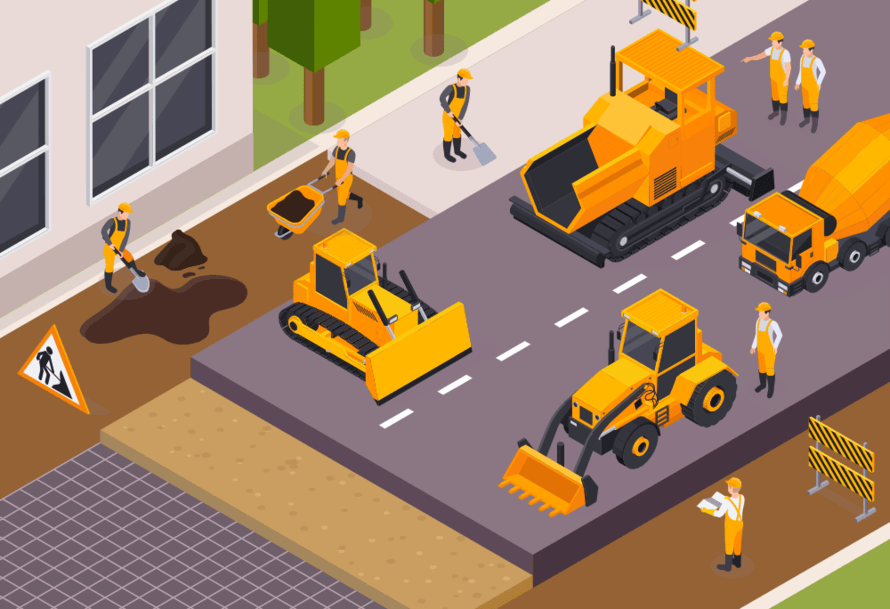
Paving Contractors Dublin
✅ #1 & #2 Google Map Ranking For Target Keywords
✅ 300%+ Organic Traffic Growth
✅ Consistent Lead Supply
View Case Study ✅ 300%+ Organic Traffic Growth
✅ Consistent Lead Supply
Hessco Innovations Towing & Roadside Assistance
✅ 250%+ Increase in Local Organic Traffic
✅ 100%+ Increase In Calls Per Month
✅ Consistent First-Page Rankings For High-Intent Keywords
View Case Study ✅ 100%+ Increase In Calls Per Month
✅ Consistent First-Page Rankings For High-Intent Keywords

Real Talk From Real Clients.
Honest wins, surprising results, and some “how did they do that?!” moments. This is what it sounds like when results speak louder than ads.
Robyn Hart
Excellent work. Whatever special SEO sauce they used started working fast. Call volume increased within a couple weeks. I was impressed they took the time to find out what my business needed.

Jesse Tutt
I hired Daniel to help me with my SEO and wound up using him for many other services. He is a top-notch leader in the digital marketing space who I HIGHLY recommend. With him and his team’s assistance, Our website has increased to 24,000 visitors a month which is amazing. Kudos to him and his team. I can’t speak highly enough of them.

Marc Spindel
Daniel is extremely personable and concerned with the outcome of his work. I would recommend him to anyone in SEO who needs an on-call outsourcing solution for any project no matter how big or small.
Marcus McKinley
Daniel is a magician in SEO. He is hands down the best and knows his stuff! Kind, courteous, professional, brilliant in all things SEO and web related. I have learned so much from this agency and my site reached top position just after a few weeks! I would definitely use them again for all of my digital marketing needs!

Barbara Williams
Daniel totally knows what he’s doing with SEO and marketing. He can take a website from page 40 and get it ranked on page 1, then make sure it stays there. And he has that rare quality of a teacher. He can explain complex subjects and procedures so anyone can understand and use them. I recommend Daniel’s skills to any business that wants to advance.

John G
Daniel helped me build my paving and driveway website, and my Google Business Profile. The results are outstanding and I'm ranking very good, keywords all very good, and the SEO has a lasting impact on the business. I recommend them.
We Are Aziel Digital, The #1 AI Marketing Tiny Home Builder Agency Of Choice.
Aziel Digital has spent over five years working exclusively with blue-collar and home service businesses. We’ve built marketing systems for home builders, accessory dwelling unit builders, garage conversion contractors, green building renovation specialists, towing, and specialty construction companies across the United States.
Tiny home construction is a distinct market with a distinct buyer. The people commissioning custom tiny homes or purchasing builder-ready units are not searching the same way a buyer looking for a standard residential contractor searches. They use different platforms, ask different questions, and increasingly rely on AI tools to do their initial vetting before they ever visit a website.
Generic agencies treat tiny home builders the same way they treat apartment complexes and production home developments. We don’t. We know how this buyer thinks, where they research, and what makes them choose one builder over another. That’s what five years of niche-only contractor marketing produces.
How We Build AI Marketing Systems For Tiny Home Builders That Run Without You
Most tiny home builders approach marketing one tactic at a time. A little social media here. A Google ad there. A website that hasn’t been updated in three years. None of it connects, and none of it positions you to be found by buyers who are increasingly starting their search on AI tools that pull recommendations from a completely different set of signals than traditional Google search.
Here’s how we build a system that changes that.
Step 1: AI Visibility Audit and Opportunity Mapping
We start by testing how you currently appear across the major AI platforms your buyers use. We query ChatGPT, Gemini, Claude, and Perplexity with the questions your buyers are actually asking. Things like "who are the best custom tiny home builders in the Pacific Northwest" or "what should I look for when hiring a tiny home builder."
If your business isn't surfacing in those results, we identify exactly why and map the specific content, citation, and authority gaps that are keeping you invisible. This audit also covers your current Google presence, your website's technical health, and how your business is represented across the directory and citation landscape that AI tools pull from.
Step 2: Content Architecture Built for AI Retrieval
AI tools don't find businesses the way Google's crawler does. They surface businesses that are cited authoritatively across multiple credible sources, that have well-structured content covering their area of expertise in depth, and whose digital presence answers the specific questions buyers ask during the research phase.
We build a content architecture for your website that covers your build process, materials, floor plan options, zoning and permitting knowledge, delivery and setup process, and every FAQ a serious tiny home buyer asks before committing. This content is structured specifically to be extracted and cited by AI tools when relevant queries come up.
Step 3: Authority Citation and Directory Presence
AI platforms like ChatGPT and Perplexity pull from a specific set of high-authority sources when they form recommendations. Those include major business directories, industry publications, local news mentions, trade association listings, and structured citation networks.
We audit your current citation presence, fix inconsistencies that confuse AI retrieval systems, and build new citations across the sources that actually influence how AI tools represent your business. A builder with strong, consistent citation presence across relevant authoritative sources gets surfaced. One without it stays invisible regardless of how good their work is.
Step 4: Google Search and Maps Optimization
AI marketing doesn't replace traditional search visibility. It layers on top of it. Your Google Business Profile, website's local SEO signals, and organic search rankings all feed into how AI tools assess your authority and relevance. We optimize your Google presence in parallel with your AI visibility work so both channels reinforce each other. Location-specific service pages.
Structured schema markup that communicates your services clearly to both Google and AI tools. Google Maps optimization for your service area. This is the foundation that everything else stands on.
Step 5: Reputation and Review System Setup
AI tools weigh review volume and review sentiment when surfacing local business recommendations. A tiny home builder with dozens of detailed, specific reviews covering their build process, communication, delivery, and final product appears significantly more credible to AI retrieval systems than one with three generic five-star ratings.
We set up a systematic review generation process that prompts past clients at the right moment, simplifies the review submission process, and builds your reputation profile across the platforms that matter most for AI visibility.
Step 6: Monthly Monitoring, Reporting, and Optimization
AI search behavior evolves constantly. The queries buyers use, the sources AI tools pull from, and the signals that influence surfacing all shift as these platforms update. We monitor your AI visibility monthly, test how your business appears in response to evolving buyer queries, and make adjustments to your content and citation strategy based on what the data shows.
Every 30 days, you get a plain-English report covering your current AI visibility status, your Google search performance, your review growth, and what we're prioritizing in the next cycle. No jargon. No inflated metrics.
The Real Reason Tiny Home Builders Lose Buyers To Less Qualified Competitors
Imagine this. A buyer in Portland has been thinking about commissioning a custom tiny home for eight months. She’s been watching YouTube tours, following tiny home accounts, and building a shortlist in her head. One evening she opens ChatGPT and types: “Who are the best custom tiny home builders in the Pacific Northwest and what should I ask before hiring one?”
ChatGPT gives her a response that references three builders by name, with a summary of each company’s specialties and what past clients have said about them. One of those builders is not the best in the region. But they have structured content covering their build process in depth, consistent citations across directories and publications, and a review profile that AI tools can actually read and assess.
You’re a better builder. You’re not in the answer. She never finds you.
According to a 2024 BrightEdge research report, generative AI-driven search is growing rapidly and now influences a significant share of informational and commercial research queries. Tiny home buyers, who tend to be more research-driven than average residential buyers, are among the early adopters of this behavior.
Here’s what that looks like for most tiny home builders right now:
- Your inquiry volume has plateaued or declined even though the tiny home market has continued growing, and you can’t identify exactly why
- You’ve invested in a website and maybe some social content, but neither is producing consistent quote requests from buyers who are serious and financially ready
- A previous agency focused entirely on Google Ads or social media and delivered traffic that didn’t convert, with no clear explanation of what went wrong
Why Most Tiny Home Builder Marketing Fails
The core problem is that most agencies applying marketing to tiny home builders are using frameworks built for volume-based residential construction or standard home services trades. Those frameworks don’t account for how the tiny home buyer actually researches, evaluates, and decides.
Tiny home buyers are among the most research-intensive buyers in residential construction. They spend months in the research phase. They read deeply, compare extensively, and often consult multiple AI tools, forums, YouTube channels, and community groups before they make a single call. Marketing that doesn’t show up during that research phase doesn’t exist for this buyer.
Here’s what generic agencies consistently do wrong for tiny home builders:
- Focus entirely on Google Ads that capture buyers at the bottom of the funnel but miss the much larger research-phase audience that’s building preferences weeks or months before they’re ready to request a quote
- Produce general website content that doesn’t address the specific questions tiny home buyers ask, covering basics like floor plans and pricing but missing zoning regulations, utility hookup processes, build timelines, trailer versus foundation placement, and lender financing options for non-standard construction
- Ignore AI search visibility entirely because the agency learned their framework before these platforms became a meaningful part of buyer research behavior, which means their clients are invisible on a channel that’s growing every quarter
The tiny home market has specific characteristics that separate it from every other residential construction category. Here’s what that means for your marketing:
- Tiny home buyers search with highly specific terminology. THOW versus foundation-built. Full-time living versus vacation use. Park-model versus certified RVIA units. Off-grid capable versus standard utility hookup. Marketing content that doesn’t use and explain these terms doesn’t connect with buyers who already know them
- Zoning and regulatory information is one of the highest-traffic content categories for tiny home research. Buyers need to understand where they can legally place a tiny home, what certifications matter, and what their local municipality requires before they’ll commit. The builder who answers those questions authoritatively earns credibility that no amount of paid advertising can replicate
- The tiny home buyer community is highly networked. Forums like the Tiny House Community on Facebook, Reddit’s r/TinyHouses, and dedicated tiny home lifestyle publications are real sources of referral traffic and AI citation authority. Builders whose businesses are mentioned and discussed in those communities are surfaced by AI tools
- Commercial and community buyers including tiny home village developers, resort operators, and accessory dwelling unit projects represent a high-value buyer segment that requires entirely different content and messaging than individual owner-buyers
- Financing is a consistent friction point in the tiny home buyer journey. Buyers who find builders that clearly address construction loan options, personal loan pathways, and RV financing alternatives for certified units are significantly more likely to move forward with that builder because trust was built during the research phase
- Geographic coverage needs to account for how tiny home buyers actually shop. Many buyers are willing to work with out-of-state builders for a custom build and transport, which means your market is potentially national, but your content strategy needs to reflect that reach correctly
Aziel Digital has spent over five years working exclusively in contractor and home service marketing. We’ve built marketing systems for home builders, specialty construction companies, restoration businesses, and other skilled trades that operate in niche markets with research-intensive buyers. We understand what it takes to be visible at every stage of this buyer’s research process, not just the moment they’re ready to call.
One of our home builder clients was producing good work but struggling to generate consistent inquiry volume from buyers outside their immediate local area. We rebuilt their content architecture to address the full research journey, built out their citation presence across the sources that AI tools actually pull from, and systematized their review collection process.
Within four months, their inquiry volume from non-local buyers increased measurably and their Google visibility for core service searches improved significantly. The same approach applies directly to tiny home builders.
AI Marketing Services For Tiny Home Builders Designed To Make You The Builder Buyers Find First
Every service listed below connects to one result. Your business being visible, credible, and recommended when a serious tiny home buyer is doing their research, whether that’s on Google, on ChatGPT, or anywhere in between.
AI Search Visibility Optimization
AI search visibility optimization is the process of structuring your digital presence so that tools like ChatGPT, Gemini, Claude, and Perplexity surface your business when buyers ask relevant questions. It's not the same as traditional SEO. The signals are different, the content structure requirements are different, and the citation sources that influence AI surfacing are distinct from what drives Google rankings.
We audit your current AI visibility, identify the gaps, and build the content and citation presence that shifts how these tools represent your business in their responses. This is where tiny home builders have the clearest competitive advantage right now because almost none of your competitors are addressing it yet.
Buyer Research Phase Content Development
Tiny home buyers spend weeks or months in the research phase before they contact a builder. The content they consume during that phase shapes which builders they trust and which they contact.
We develop deep, authoritative content that covers every question your buyers are asking during that research window. Build process documentation. Material comparisons. Zoning and regulatory guidance by state and region. Financing pathway explanations. THOW versus foundation-built trade-offs. Off-grid system options. Timeline and delivery process walkthroughs.
This content serves two functions simultaneously. It positions you as the most knowledgeable builder a buyer encounters during their research, and it gives AI tools the structured, specific content they need to cite your business as an authoritative resource.
Google Search and Maps Optimization
Your Google presence is the foundation that AI marketing builds on. If your website has thin content, weak local signals, poor technical health, or inconsistent business information across directories, AI tools that use Google as a data source will represent you poorly regardless of what else you do.
We audit and optimize your full Google presence including your website's technical structure, your local SEO signals, your service area pages, and your structured schema markup. Google Maps optimization for your physical location and service geography ensures you're visible both on traditional search and in the map results that influence buyer location-based queries.
Citation Building and Directory Presence Management
AI tools assess business credibility partly through citation presence. A business that appears consistently across authoritative directories, trade publications, industry associations, and local sources signals credibility to AI retrieval systems in a way that a standalone website does not.
We audit your current citation landscape, fix the inconsistencies and errors that hurt your credibility with both Google and AI tools, and build new citations across the specific sources that influence AI surfacing for construction and home service businesses.
For tiny home builders, that includes general contractor directories, housing trade publications, sustainable construction resources, and the community platforms where tiny home buyers actively research.
Review Generation and Reputation System
Review volume and specificity matter significantly for AI visibility. An AI tool asked to recommend a tiny home builder in a specific region weighs review signals heavily when deciding which businesses to surface and how to characterize them.
A builder with 45 reviews that describe their build process, communication, delivery experience, and post-build support appears far more credible to AI retrieval than a builder with 8 generic ratings.
We build a systematic review generation process that prompts your past clients at the right moment in the relationship, simplifies the review submission process across your priority platforms, and gives you a growing review profile that improves your AI visibility, your Google rankings, and your conversion rate from first impression to booked consultation.
AI-Optimized Website Content and Schema Markup
Most contractor websites are not structured in a way that AI tools can easily read, interpret, and cite. The content is either too thin, too generic, or formatted in ways that make it difficult for language models to extract clear, specific information.
We restructure and expand your website content with AI retrieval in mind, including proper use of structured data markup that communicates your services, service area, certifications, build process, and business information in machine-readable formats. Schema markup for LocalBusiness, Service, FAQPage, and HowTo schema types all improve how AI tools understand and represent your business. If your website needs a structural rebuild to support this work, our website design services handle that from the ground up.
Competitive Landscape Monitoring and Positioning Analysis
AI marketing for tiny home builders isn't a one-time project. The platforms evolve, the queries buyers use shift, and your competitors are not standing still. We monitor how your business appears in AI tool responses monthly, track how your competitors are being surfaced, and identify emerging content gaps and citation opportunities before they become disadvantages. When a new AI platform gains adoption with your buyer demographic, we assess how to position you there before the space fills up.
When competitor activity shifts the query landscape, we adjust your content strategy to maintain your positioning advantage. This ongoing intelligence is what separates a marketing system from a one-time tactic.
Paid Advertising Integration for Immediate Lead Flow
AI search visibility builds over time, similar to SEO. If you need qualified inquiry calls now while that longer-term presence develops, we integrate Google Search Ads and Local Service Ads campaigns that produce immediate paid visibility for the highest-intent buyer searches.
We structure those campaigns specifically for tiny home builder search behavior, with separate ad groups for custom builds, foundation models, THOW inquiries, and commercial or village development projects. Paid advertising covers your near-term lead flow while your AI and organic presence compounds.
We Thought You Might Ask
What Exactly Is AI Marketing For Tiny Home Builders?
AI marketing refers to the process of optimizing your digital presence so that AI tools like ChatGPT, Gemini, Claude, and Perplexity surface and recommend your business when buyers ask relevant questions. It's distinct from traditional SEO, which focuses on Google rankings, and from paid advertising, which produces immediate visibility at a per-click cost.
The growing share of buyers using AI tools to research major purchases like tiny homes makes this a real and urgent channel. A buyer who asks ChatGPT "who builds the best custom tiny homes in Colorado" and gets a response that names three builders is highly likely to contact one of those builders. If your business isn't among them, you've lost that buyer at the very start of their journey.
AI marketing for tiny home builders involves content development, citation building, review generation, schema markup, and authority signal development, all structured to influence how AI tools find, assess, and represent your business.
How Is AI Marketing Different From SEO?
Traditional SEO focuses on ranking in Google's search results by optimizing for the signals Google's crawler and ranking algorithm weight. That includes keyword usage, backlink authority, page speed, technical structure, and local signals like Google Business Profile and citations.
AI marketing focuses on the signals that language model-based tools use when they generate responses to buyer queries. Those tools pull from authoritative sources, citation networks, review platforms, and structured content in ways that differ significantly from how Google's algorithm works.
The two disciplines are related and reinforce each other, but they're not the same. A business that ranks well on Google is not automatically visible on AI tools, and vice versa. The most effective approach combines both because they feed different parts of the same buyer's research journey.
How Long Does It Take To See Results From AI Marketing?
AI visibility improvements are not immediate. Content needs to be indexed and assessed, citations need to be established and recognized, and review profiles need to grow before AI tools meaningfully shift how they represent your business.
Most tiny home builder clients see measurable improvements in their AI surfacing within 60 to 120 days of consistent work. Meaningful visibility in AI tool responses typically develops over a three to six months window, with continued improvement as your content depth and citation authority grow.
This timeline is similar to organic SEO. If you need immediate lead flow while AI visibility develops, we integrate paid advertising to cover that gap.
What Platforms Do You Optimize For?
We optimize your presence for the AI tools that have the most meaningful adoption among tiny home buyers right now. That includes ChatGPT, Google Gemini, Claude, and Perplexity as the primary platforms.
We also optimize for the traditional search and directory infrastructure those tools pull from, which includes Google Search, major business directories, housing and construction trade publications, sustainable living and alternative housing platforms, and the community resources where tiny home buyers actively research.
As new AI platforms gain adoption with your buyer demographic, we assess and incorporate them into your visibility strategy.
Do I Still Need A Website For AI Marketing To Work?
Yes. Your website is the primary owned asset that AI tools reference when they assess your business. Thin, generic, or technically weak website content limits what AI tools can extract and cite about your business.
A well-structured website with deep content covering your build process, materials, floor plan options, service area, and buyer's most common questions gives AI tools the specific, authoritative information they need to surface and recommend you.
If your current website isn't built to support this kind of content depth, we can rebuild it alongside your AI marketing work.
What Kind Of Content Do You Create For Tiny Home Builders?
The content we develop covers the full range of topics a serious tiny home buyer researches before contacting a builder.
That includes detailed build process documentation, material comparisons covering structural options like steel frame versus wood frame construction, zoning and permitting guides by state and region, financing pathway explanations, THOW versus foundation-built comparisons, off-grid system options and costs, delivery and setup process walkthroughs, post-build support and warranty information, and FAQ content addressing the specific questions buyers ask most frequently.
This content is written for your actual buyers, structured for AI retrieval, and optimized for Google search simultaneously. It serves multiple purposes at once.
How Does Review Generation Help With AI Marketing Specifically?
AI tools use review data as one of the signals they weigh when assessing business credibility and forming recommendations. A business with a substantial volume of specific, detailed reviews covering multiple aspects of the customer experience appears more credible to AI retrieval systems than one with few or generic ratings.
For tiny home builders specifically, reviews that mention the build process, communication quality, delivery experience, and the final home's quality give AI tools rich, specific content to draw from when characterizing your business to a buyer who asks for recommendations.
We build a systematic process for collecting these reviews from past clients at the right moment in the relationship, across the platforms that matter most for AI visibility.
Will AI Marketing Work For A Small Tiny Home Builder Or Just Large Operations?
AI marketing is actually a significant opportunity for smaller and mid-sized tiny home builders specifically because most of your larger competitors are not yet addressing this channel strategically.
The signals that drive AI visibility, such as authoritative content depth, consistent citations, and detailed review profiles, are all achievable for a small builder who commits to building them. You don't need a large marketing budget to develop the content and citation presence that drives AI surfacing. You need a structured approach and consistent execution over time.
The builders who move on this opportunity now, while most competitors are still ignoring it, will be significantly harder to displace once AI search is a standard part of every buyer's research process.
Can You Help Me Get Featured In Tiny Home Publications and Blogs?
Yes. Coverage in relevant industry publications, lifestyle media, and community platforms contributes to your citation authority and your AI visibility. Publications covering tiny homes, alternative housing, sustainable living, and minimalist lifestyle are among the sources AI tools pull from when forming recommendations in this category.
We identify the specific publications and platforms relevant to your builder profile and develop a content and outreach strategy that earns coverage. That coverage then compounds your AI visibility and your overall authority across all channels.
Do You Work With Tiny Home Builders Outside My Immediate Local Area?
Yes. Many tiny home builders work with buyers across state lines or nationally because buyers are often willing to work with a builder they trust regardless of geography, particularly for custom builds transported on trailers.
We build content and citation strategies that reflect your actual service geography, whether that's a specific region, multiple states, or a national reach for custom THOW builds. Your content, citations, and AI visibility all need to match your real service area rather than defaulting to a local-only framework.
How Much Does AI Marketing For Tiny Home Builders Cost?
AI marketing engagements at Aziel Digital are priced based on the scope of services included and the competitive landscape of your market.
For most tiny home builders, a foundational AI marketing engagement covering content development, citation building, review system setup, and monthly monitoring falls within a range we'll define specifically on a consultation call based on your current digital presence, your service geography, and your inquiry volume goals.
We'll give you a specific recommendation and price on a free consultation call rather than a range that leaves you guessing. No hidden fees. No upsells.
Is AI Marketing A One-Time Project Or An Ongoing Service?
It's an ongoing service. AI platforms evolve constantly. The queries buyers use shift over time. New platforms gain adoption. Citation sources change in their influence. Competitors enter the space and require you to maintain your positioning advantage rather than assume it.
The initial work of building your content architecture, citation presence, and review system has the most impact in the first few months. Ongoing management then monitors your visibility, responds to platform changes, fills emerging content gaps, and keeps your authority signals current.
The ongoing investment is lower than the initial buildout, but skipping it means your visibility gradually deteriorates as the landscape shifts around you.
What Makes Tiny Home Buyers Different From Standard Residential Buyers?
Tiny home buyers are among the most research-intensive buyers in all of residential construction. They typically spend months in the research phase before contacting a builder. They read extensively, participate in online communities, watch video content, and consult multiple AI tools and forums before forming a builder shortlist.
They also tend to ask more specific technical questions than standard residential buyers. Zoning regulations, utility hookup processes, certifications like RVIA or state-specific residential codes, trailer specifications, insulation values, and off-grid capability are all common research topics. The builder who answers these questions authoritatively during the research phase earns significant trust before a single call is made.
This research intensity is exactly why AI marketing matters so much in this market. The buyer's research journey is long, and AI tools are becoming a standard part of it.
How Do You Measure Whether AI Marketing Is Working?
We track AI marketing performance through a combination of direct visibility testing and downstream metrics.
Direct visibility testing means querying the major AI platforms monthly with the types of questions your buyers are likely to ask and documenting whether your business is surfaced, how it's characterized, and how that changes over time.
Downstream metrics include your overall inquiry volume, your website traffic from organic and referral sources, your review profile growth, and your Google search rankings. We report on all of these monthly in plain-English summaries that connect the work we're doing to the outcomes you care about, qualified inquiry calls, and consultation bookings.
Can You Combine AI Marketing With SEO And Paid Ads?
Yes, and most tiny home builders benefit from running all three in a coordinated system. AI marketing builds your long-term visibility across the research phase. SEO builds your Google search rankings and compounds over time. Paid advertising covers your immediate lead flow with quote requests you can act on now.
Each channel serves a different part of the buyer's journey and a different timeframe. Running them together means you're not dependent on any single channel, and your overall inquiry volume is more consistent and predictable.
We also designs logos and brand identities for tiny home builders for tiny home builders that establish credibility and build trust at first glance.
How Do I Get Started?
Book a free 15-minute growth call. We'll review your current digital presence across Google and AI platforms, identify where the visibility gaps are, and walk you through what a properly built AI marketing system looks like for your specific builder profile and market.
You'll come away with a clear picture of where buyers are failing to find you and what it would take to fix that. If we're the right fit, we'll send a proposal. If we're not, the audit findings are yours to keep and act on.
Be The Tiny Home Builder AI Recommends.
Every month you wait, buyers are asking AI tools who to call and getting answers that don’t include your name. Your competitors, some of them building worse homes than you, are being recommended simply because they built their AI presence before you did.
That gap is still closeable. The window won’t stay open indefinitely.
Book a free 15-minute growth call today. Stay on the job. We’ll help you get found and trusted from the first search.