

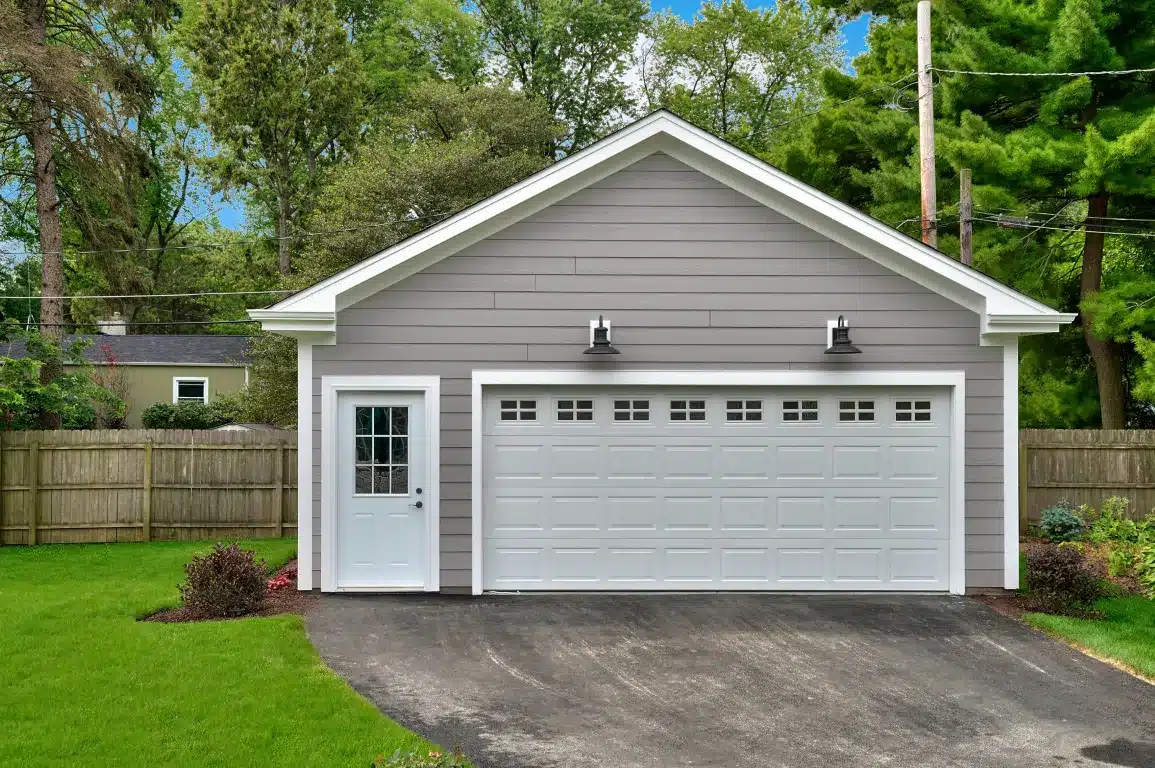
Homeowners are currently dealing with a unique kind of pressure. Interest rates are making the idea of moving pretty unappealing, yet the need for more space,thanks to remote work,keeps getting bigger. These folks are sitting on record amounts of equity but don’t have many affordable options to expand their footprint. For many, the answer is sitting right next to their driveway.
Garage conversions have shifted from being a niche project to a primary solution for families needing room to grow. Capturing these leads takes a specific approach that is totally different from selling luxury kitchens or bathroom remodels. You have to position your business as the provider of the most efficient, high-value square footage a homeowner can possibly buy.
Salient Points
- Homeowners pick garage conversions mainly for speed and cost efficiency when compared to full-blown home additions.
- Google Local Services Ads (LSAs) give you a pay-per-lead model that actually includes a dispute process for junk inquiries.
- A Google Business Profile with over 100 images can drive 520% more calls than profiles that have fewer photos.
- Website conversion rates jump significantly when you use specific ‘Service Pages’ and embedded cost calculators.
- Video content on landing pages keeps users sticking around longer, which signals value to search engines.
- Owning your SEO and lead channels results in higher close rates than renting customers from aggregators like Angi.
- Reactivating past client databases with email marketing offers the best ROI for generating work immediately.
Understanding the High-ROI Garage Conversion Market
Marketing to this demographic starts with getting inside their heads to understand their motivation. Leads in this sector aren’t usually hunting for luxury. They are looking for practical solutions to their space constraints. You have to emphasize ‘speed to completion’ and ‘cost efficiency’ in every single piece of copy you write. For many prospects, these drivers matter way more than aesthetic perfection.
You need to arm your sales team with the cold, hard data. A standard ground-up home addition often costs between $50,000 and $150,000 or more. In contrast, a garage conversion typically ranges from just $20,000 to $80,000. This massive difference allows you to frame the conversion as the clear financial winner. According to the National Association of the Remodeling Industry (NARI) and NAR, a garage conversion can recover up to 80% of its cost in home value. That statistic is a closing tool. It shifts the conversation from spending money to investing it.
Differentiating Your Offerings
Your marketing needs to clearly draw a line between different project types. A simple ‘finished space’ for a gym or home office is vastly different from a full Accessory Dwelling Unit (ADU) with plumbing and a kitchenette. Searches for ‘home office’ and ‘ADU’ have stayed significantly high since the pandemic hit. Some regions, specifically California and Portland markets, have seen a 50% year-over-year jump in ADU permits. Be specific in your ads. Targeting ‘garage remodel for gym’ brings in a totally different client than ‘ADU rental unit construction.’
Leveraging Google Local Services Ads (LSAs) for Exclusive Leads
Google Local Services Ads (LSAs) are the biggest shortcut to the top of the search results. These listings sit right above traditional Pay-Per-Click (PPC) ads and the organic map pack. The massive advantage here is the ‘Google Screened’ badge. Getting this requires passing background checks for the business owner and field workers. That badge serves as an instant trust signal to homeowners who might be wary of contractors.
The financial model of LSAs protects your budget way better than standard PPC. You pay per lead, not per click. This eliminates the cost of homeowners who are just window shopping or looking for DIY ideas. Cost Per Lead (CPL) for home services in LSAs generally hovers between $25 and $150. Traditional PPC clicks can cost $15-$50 just for the traffic, often resulting in a much higher final cost per acquisition.
Managing Lead Quality
LSAs have a dispute feature that standard ads just don’t offer. If you get a lead for ‘garage door repair’ when you only do ‘conversions,’ you can dispute the charge with Google and get a credit back. This ensures your budget stays focused solely on revenue-generating opportunities. LSAs are best for capturing high-intent leads who are ready to book, while traditional Google Ads serve better for targeting specific, long-tail keywords like ‘luxury garage conversion cost.’

Mastering Local SEO and Google Business Profile for Contractors
Your Google Business Profile (GBP) acts like your digital storefront. Tweaking this asset is the single best way to capture local traffic. 46% of all Google searches are looking for local information. Start by picking the correct primary category. ‘Remodeler’ or ‘General Contractor’ usually fits best, but you have to utilize secondary categories like ‘Garage Builder’ to catch that niche traffic.
Seeing is believing in this industry. Businesses with more than 100 images on their GBP get 520% more calls than those with fewer images. Upload photos of every single job. Label them clearly. Before-and-after shots are particularly good for showing off the value you provide.
Review Management Strategy
Getting five stars is only half the battle. How fresh they are matters just as much. A 5-star review from three years ago carries less weight than a 4-star review from last week. You need a constant stream of feedback to keep your ranking up. Use tools like Birdeye or Podium to automate review requests via text message immediately after a job is wrapped up. For tracking your local rankings, use BrightLocal. Whitespark is excellent for finding citation opportunities to build your local authority. 88% of searches for local businesses on a mobile device result in a call or visit within 24 hours. Your profile has to be ready to convert that traffic instantly.
High-Converting Website Architecture and Content Strategy
A generic ‘services’ page just won’t cut it for ranking anymore. You need dedicated pages for garage conversions. These pages have to answer specific questions and guide the user toward a quote. Create location-specific landing pages, such as ‘Garage Conversion Austin’ and ‘Garage Conversion Round Rock.’ This level of detail helps you rank for ‘near me’ searches in specific suburbs.
Structure your site to grab data right out of the gate. Embed a ‘Cost Calculator’ on your garage conversion page. This tool offers a rough estimate in exchange for the user’s phone number and email. It filters out tire-kickers and builds your email list. Speed is also a non-negotiable factor. A 1-second delay in page load time yields a 7% drop in conversions. Ensure your site is mobile-responsive and loads instantly.
Technical Setup for Growth
We usually suggest WordPress because it’s so flexible for SEO. Use Elementor or Divi for visual design that allows you to easily update project galleries. Don’t mix garage photos with kitchen remodels. Create a specific ‘Garage Project Gallery.’ Analytics are vital. Install Google Analytics 4 (GA4) to track where your traffic comes from. Use Hotjar to view heatmaps of user behavior. This data reveals where potential clients drop off, allowing you to fix holes in your funnel. Companies that blog get 55% more website visitors and 67% more leads per month than those that don’t. Write content that addresses client fears, such as zoning laws and permit costs. The average conversion rate for the construction industry is roughly 3-5%. A targeted, well-optimized page should aim for over 10%.
Video Marketing and Visual Social Proof
Static images are great, but they often fail to really convey the transformation of a dark garage into a bright living space. Video bridges that gap. 73% of homeowners say they are more likely to hire a contractor who uses video to explain the process or show past work. Your content plan should be simple but consistent. Film a time-lapse of a build. Record a client testimonial inside the finished ADU. Create short educational videos answering common questions like, ‘Do I need a permit?’
Social video generates 1200% more shares than text and image content combined. Short-form clips on Reels, TikTok, and YouTube Shorts build local brand awareness. YouTube also functions as the second-largest search engine. Uploading longer walkthroughs there targets users who are researching the process.
Tools for Production
You don’t need a Hollywood film crew. Use CompanyCam to document job sites and auto-generate before/after timelines. Create thumbnails and social graphics with Canva. Edit mobile video quickly using CapCut. Real estate listings with video receive 403% more inquiries than those without. The same logic applies to your service. Video increases ‘Time on Page,’ sending positive ranking signals to Google.
Evaluating Third-Party Lead Aggregators vs. Owned Assets
Aggregators like Angi, Thumbtack, and Houzz offer immediate volume. This is their main ‘Pro.’ New businesses with no SEO presence often need this jumpstart. However, the ‘Cons’ list is pretty heavy. These platforms often sell the same lead to three or four contractors, triggering a price war. The average close rate on shared aggregator leads is often below 5-10% because of this competition.
Compare this to the ‘Rent vs. Buy’ model. Paying aggregators is basically renting access to customers. Building your own SEO and website is buying the real estate where customers gather. Exclusive leads generated through a company’s own SEO or PPC usually have a close rate of 20-30%. Owned assets have a higher upfront cost but lower long-term Cost Per Acquisition (CPA). Relying solely on aggregators creates a dependency that hurts your business valuation. Use them only to fill gaps in your schedule, never as your primary engine.
Email Marketing and Database Reactivation
The biggest moneymaker is the lead you already have. It costs 5 to 25 times more to acquire a new customer than to retain an existing one. Past clients are your best source of referrals. Run a ‘Database Reactivation’ campaign. This involves texting or emailing old leads who received a quote but never actually booked.
Use a direct script. ‘Hey [Name], this is [Company]. We have an opening in our schedule next month and are offering $500 off garage conversions. Are you still interested in this project?’ This simple approach often uncovers ready-to-buy prospects.
The Value Ladder
You have to realize that the client needs to change over time. A homeowner who hired you for a small bathroom renovation last year might now be ready for a garage ADU. Monthly newsletters keep you top-of-mind. Email marketing has an average ROI of $36 for every $1 spent. Use tools like Mailchimp for newsletters and HighLevel (GoHighLevel) for SMS marketing and CRM management. Consistent communication ensures that when they are ready to build, you are the only contractor they call.
Getting your hands on high-quality garage conversion leads means you have to move past generic ‘general contractor’ marketing. You must deploy a mix of high-trust assets like Google Local Services Ads, aggressive local SEO, and a website built to convert. By prioritizing exclusive leads over shared aggregator lists and reactivating your past database, you build a pipeline that sustains itself.
Aziel Digital specializes in building these exact systems for blue-collar businesses. We handle the SEO, the web design, and the ad strategy so you can focus on the build. Partner with us to turn your digital presence into your top earner.
Frequently Asked Questions
What is the average ROI for a garage conversion?
The return on investment for garage conversions is among the highest in the remodeling sector. Estimates show that a garage conversion can recover up to 80% of its cost in home value, making it a financially sound renovation.
This high recovery rate is driven by the relatively low cost of the structure,since the existing foundation and walls reduce spend,paired with the high value of added heated square footage. For maximum ROI, market the conversion as a versatile asset (ADU or office) rather than a niche hobby room, as this appeals to a wider range of prospective buyers.
How do I market garage conversions to homeowners effectively?
Marketing effectively requires addressing the specific pain points of space and budget. Focus your messaging on ‘speed to completion’ and ‘cost per square foot’ compared to traditional home additions.
Utilize visual platforms like Google Business Profile and Instagram to show before-and-after transformations, as these projects are highly visual. Use targeted landing pages that separate ‘luxury ADU’ offers from ‘budget home office’ offers to align with what the searcher is actually looking for.
What is the difference between Local Services Ads and Google Ads for contractors?
The main difference lies in the payment model and lead screening.Local Services Ads (LSAs) operate on a pay-per-lead basis, whereas traditional Google Ads operate on a pay-per-click basis.
LSAs require the ‘Google Screened’ badge, which involves background checks, offering higher trust and placement at the very top of search results. Contractors should prioritize LSAs for capturing high-intent, immediate leads, while using Google Ads for specific keyword targeting like ‘garage remodeling.’
How can I get exclusive garage conversion leads without using Angi or Thumbtack?
Generating exclusive leads requires building owned assets rather than renting audience access. Invest in Local SEO to rank your Google Business Profile in the ‘Map Pack,’ which captures the majority of local intent traffic.
Create high-converting service pages on your website that capture visitor data through tools like cost calculators. Implementing these strategies creates a direct pipeline of leads that are not sold to your competitors, significantly increasing your close rate.
What are the best keywords for garage conversion SEO?
Effective keywords combine service intent with location. Focus on ‘garage conversion [City Name]’ and ‘ADU contractor [City Name]’ as your primary high-intent terms.
Target long-tail keywords that address specific needs, such as ‘garage to office conversion cost’ or ‘garage remodel ideas.’ Build dedicated content around these terms to capture users at different stages of the research process, from initial curiosity to ready-to-hire.
How do I optimize my Google Business Profile for garage remodeling?
Optimization relies on completeness, categories, and visual proof. Select ‘General Contractor’ or ‘Remodeler’ as your primary category, but ensure you add services specifically for garage building.
Upload over 100 high-quality images of past projects, as profiles with robust photo galleries see 520% more calls. Actively manage reviews by requesting feedback immediately after job completion to maintain a high frequency of new, positive ratings.
Why is video marketing important for construction companies?
Video marketing builds trust faster than static images in the construction industry. Video walkthroughs and time-lapses provide tangible proof of your capability and quality, reducing buyer skepticism.
Real estate listings with video receive 403% more inquiries, indicating a strong consumer preference for video when evaluating property changes. Embed these videos on your website to increase dwell time, which signals to Google that your site is valuable, improving your SEO rankings.
What is database reactivation for contractors?
Database reactivation is the process of re-engaging past leads who didn’t convert initially. It involves sending SMS or email campaigns to old leads with a new offer or a ‘check-in’ to see if they are ready to proceed.
This strategy leverages the fact that acquiring a new customer costs 5 to 25 times more than retaining or reactivating an existing contact. Use this strategy to fill schedule gaps quickly, as these prospects are already familiar with your brand and require less convincing than cold traffic.
How much does a garage conversion cost compared to a home addition?
Garage conversions are significantly more affordable than ground-up additions. A typical garage conversion costs between $20,000 and $80,000, whereas a new addition often runs from $50,000 to over $150,000.
The lower cost is due to the existing foundation, walls, and roof, which eliminates the most expensive phases of structural construction. Use this price differential as a primary selling point for clients looking to maximize space on a limited budget.
What should be included on a garage conversion landing page?
A high-converting landing page needs specific trust signals and conversion tools. Include a project gallery specifically for garage conversions, avoiding unrelated kitchen or bath photos.
Embed a cost calculator or a clear ‘Get a Quote’ form to capture visitor contact information immediately. Add social proof in the form of video testimonials and recent reviews to validate your expertise and build confidence.
Do I need a specific license to run Google Local Services Ads?
Yes, Google requires verification of your professional credentials. To earn the ‘Google Screened’ or ‘Google Guaranteed’ badge, you must provide proof of licensure and insurance relevant to your trade.
The process also includes background checks for the business owner and, in some cases, field employees. Completing this verification is mandatory for running LSAs but grants you a significant competitive advantage over unverified businesses.
How can I use past clients to get new garage conversion referrals?
Past clients are a prime source for new business through structured referral programs. Implement a referral incentive program where past clients receive a bonus for referring new garage conversion projects.
Maintain regular contact through monthly newsletters to keep your brand top-of-mind when their friends mention home improvement needs. Actively ask for referrals immediately after a successful project delivery, when the client’s satisfaction is at its peak.